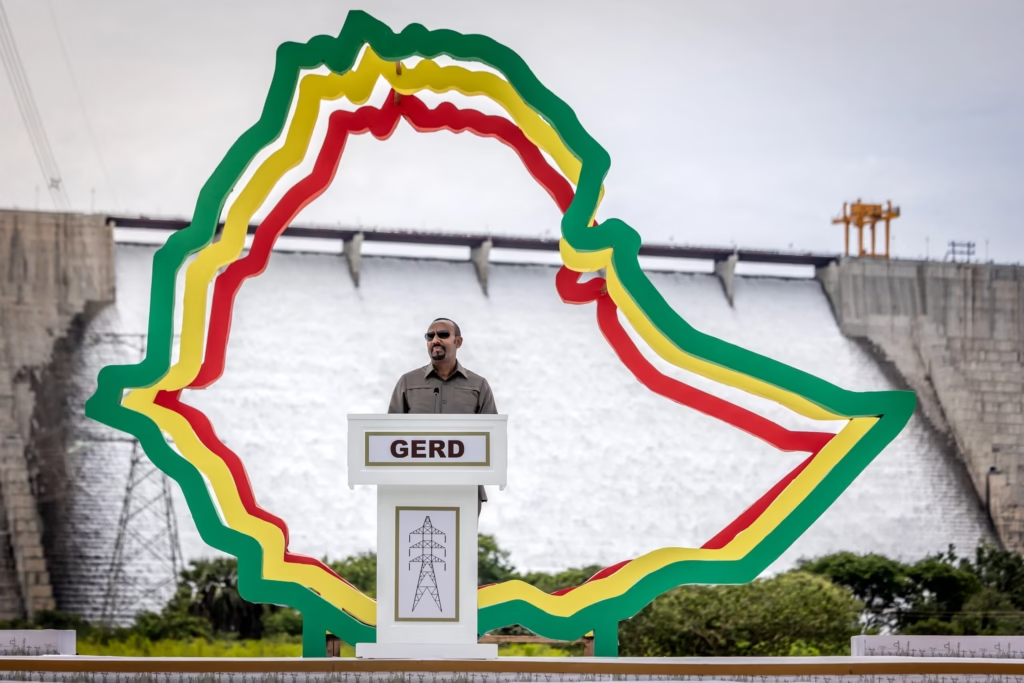

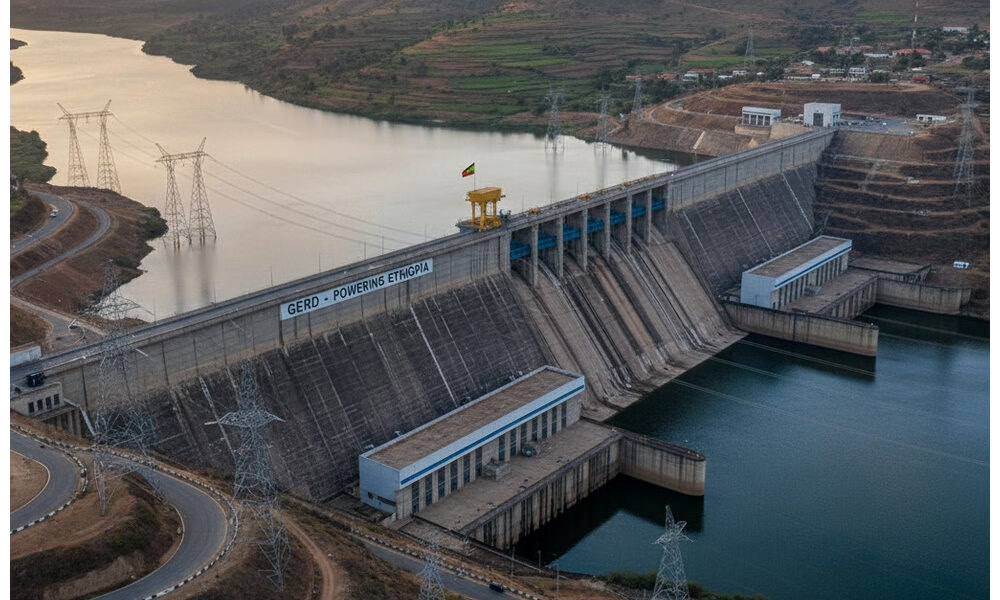
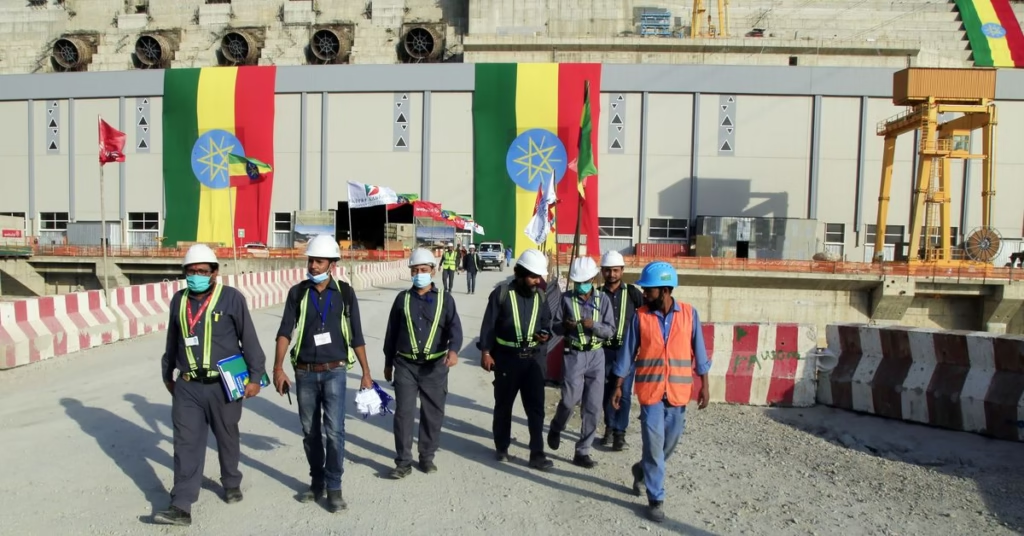
Ethiopian Prime Minister Abiy Ahmed is pushing ahead with a series of massive development projects—including Africa’s largest airport and a proposed nuclear power plant after inaugurating the Grand Ethiopian Renaissance Dam (GERD) in July. But his bold vision for economic transformation is increasingly overshadowed by renewed tensions with neighbors, unresolved internal conflicts, and a struggling economy. In a speech to parliament in late October, Abiy hailed Ethiopia’s rapid development, especially in the capital, Addis Ababa, where billions have been spent on infrastructure and urban renewal. He called the GERD a symbol of national rebirth and a path to reducing Ethiopia’s heavy dependence on foreign aid.
Renewed Rift With Eritrea
A major point of friction is Ethiopia’s insistence on gaining access to the Red Sea, something it lost when Eritrea became independent in 1993. Although the two countries briefly made peace, earning Abiy a Nobel Prize, relations have soured. In June, Eritrea accused Ethiopia of preparing for war to seize its ports, while Ethiopia countered that Eritrea was mobilizing to attack and supporting Ethiopian rebel groups. Analysts warn that miscalculation on either side could trigger a broader conflict in the Horn of Africa.
Strained Relations With Egypt
Egypt, which depends on the Nile for almost all its water, has long feared that the GERD will cut its supply. Despite multiple negotiations, both countries remain deadlocked over how the dam should be managed during droughts. Cairo has adopted more confrontational language since the dam became operational, insisting it will defend its “existential interests.” Egypt has meanwhile strengthened security partnerships with Eritrea and Somalia, moves seen as countering Ethiopia’s regional influence.
Ethnic Violence at Home
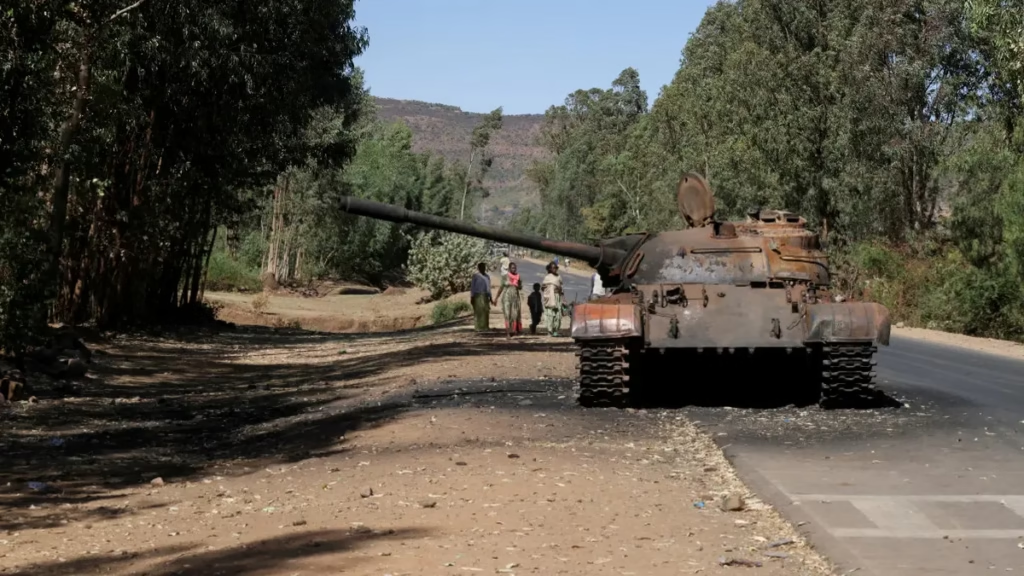
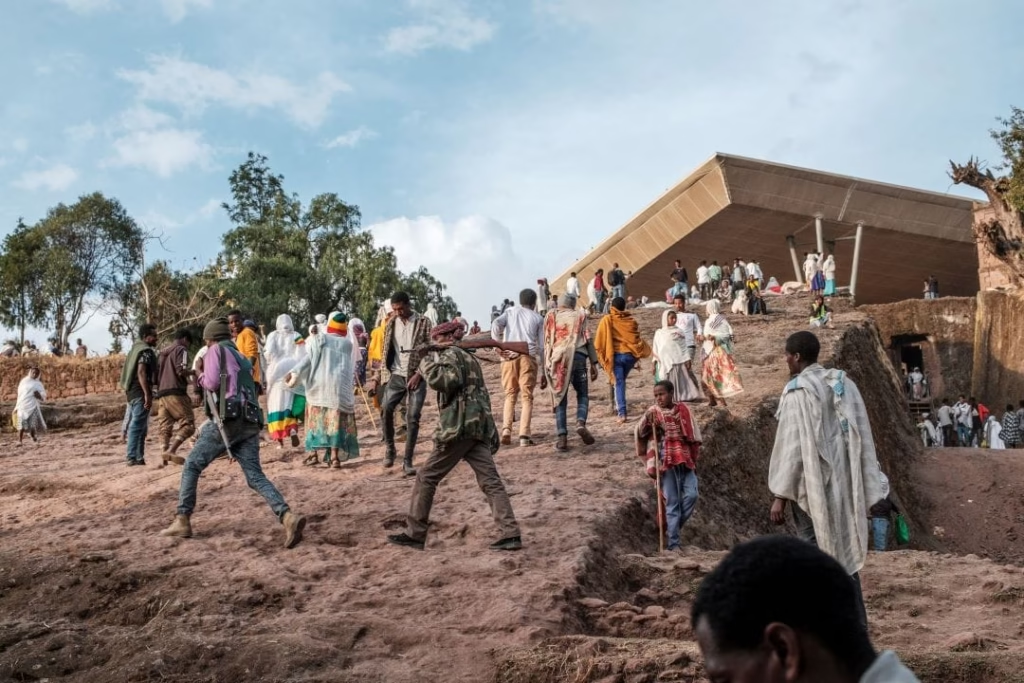
Ethiopia’s internal security remains fragile despite a 2022 peace deal that ended the war in Tigray. Major regions such as Amhara and Oromia face armed insurgencies by groups claiming marginalisation by the federal government. Reports of killings, kidnappings, and violations by multiple parties continue, while humanitarian organizations struggle to access affected communities. Parts of southern Tigray have also seen renewed clashes, with local forces accusing the federal government of violating the peace deal. Addis Ababa now claims that some Tigrayan leaders are aligning with Eritrea.
Economic Pressures
Despite Addis Ababa’s modern makeover and economic reforms that opened banking and launched a stock exchange, investors remain cautious. Ethiopia secured a $3.4 billion IMF bailout, yet poverty has risen sharply: 43% of the population now lives below the poverty line, up from 33% in 2016. Rising living costs, high defence spending, and worsening insecurity have deepened inequality between the capital and the regions. Analysts warn that anger over unequal development will continue fueling instability.