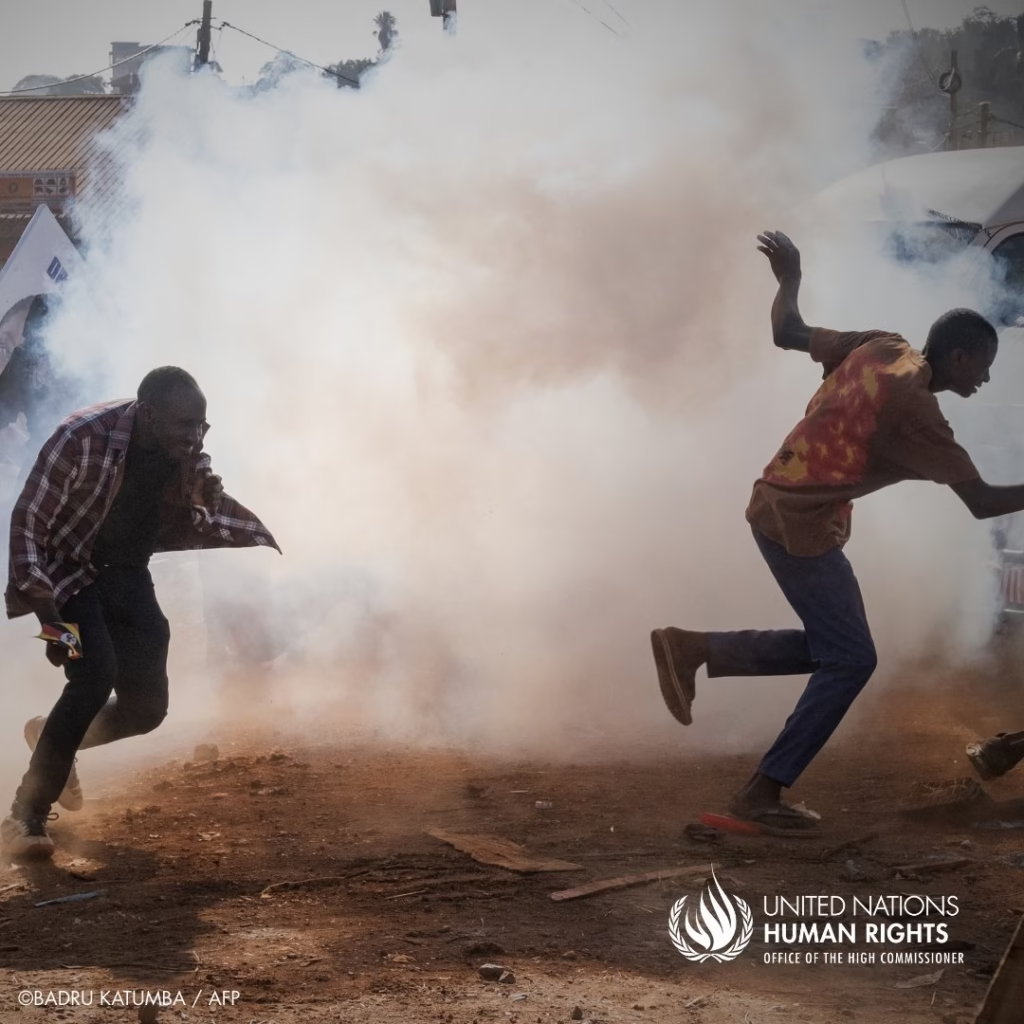

Amnesty International has accused Ugandan authorities of carrying out a “brutal campaign of repression” against the opposition ahead of the country’s general election on January 15, as security forces intensify crackdowns on rallies led by leading challenger Bobi Wine. Wine, a musician-turned-politician whose real name is Kyagulanyi Ssentamu, now campaigns wearing a helmet and flak jacket amid frequent use of tear gas, pepper spray and military force against his supporters. He is challenging President Yoweri Museveni, who has ruled Uganda since 1986 and is seeking a seventh term after constitutional term and age limits were scrapped.
In an interview with the Associated Press, Wine said the military had “largely taken over the election,” alleging that at least three supporters had been killed during violent campaign incidents. He accused security forces of blocking his access to public roads, intimidating voters and tailing his convoy with dozens of police and military vehicles. Police spokesman Kituuma Rusoke said he was not aware of the reported deaths. President Museveni has defended the heavy security response, urging police on New Year’s Eve to use more tear gas against what he called a “criminal opposition,” arguing it was preferable to live ammunition. Critics say Museveni’s rallies proceed without disruption, underscoring what they describe as a deeply uneven contest in the East African nation of 45 million people.
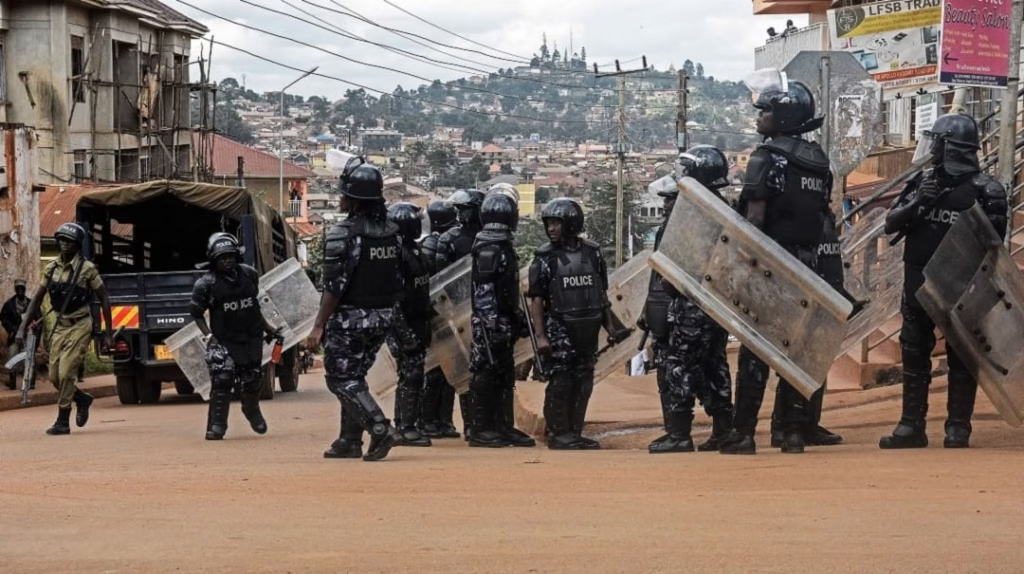
Uganda has never experienced a peaceful transfer of presidential power since independence. Museveni, one of Africa’s longest-serving leaders, has won six previous elections, most of them marred by allegations of violence and fraud. His grip on power has increasingly relied on the security services, now headed by his son, army chief Muhoozi Kainerugaba, raising fears of dynastic rule. Wine, 43, emerged as Museveni’s strongest challenger in the 2021 election, winning 35% of the vote to the president’s 58%. His party now holds the largest number of opposition seats in parliament and draws strong support from young, urban voters.
Human rights groups and local activists warn that arrests of critics, including governance advocate Sarah Bireete, and the possible shutdown of the internet around election day further undermine the credibility of the vote. Wine says he is urging supporters to cast “protest votes” despite the risks. “We are not participating because the election is free and fair,” he told reporters. “We are participating to expose the abuse of democracy in Uganda.”