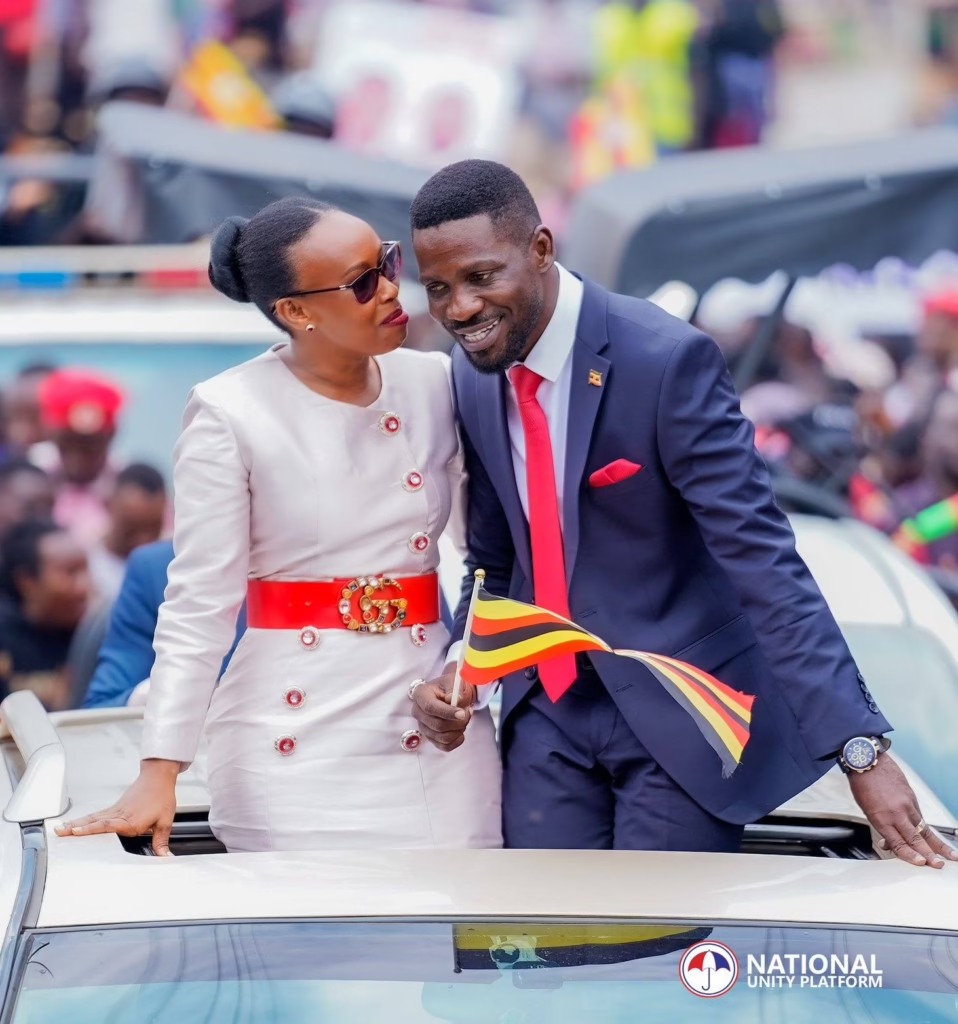

As Uganda prepares for its January 15 presidential election, thousands of opposition supporters have taken to the streets around Kampala, rallying behind Bobi Wine, the musician-turned-politician challenging President Yoweri Museveni. Museveni, in power since 1986, is seeking a seventh term after constitutional amendments removed presidential term and age limits. Critics accuse his administration of sidelining rivals and cracking down on dissent. Protesters, especially younger Ugandans, are calling for generational change. “I was born after he had been here for 15 years, and almost 26 years later, he’s still president,” said Ruth Excellent Mirembe, a Gen Z voter. “We are lacking representation as Gen Z or millennials.”
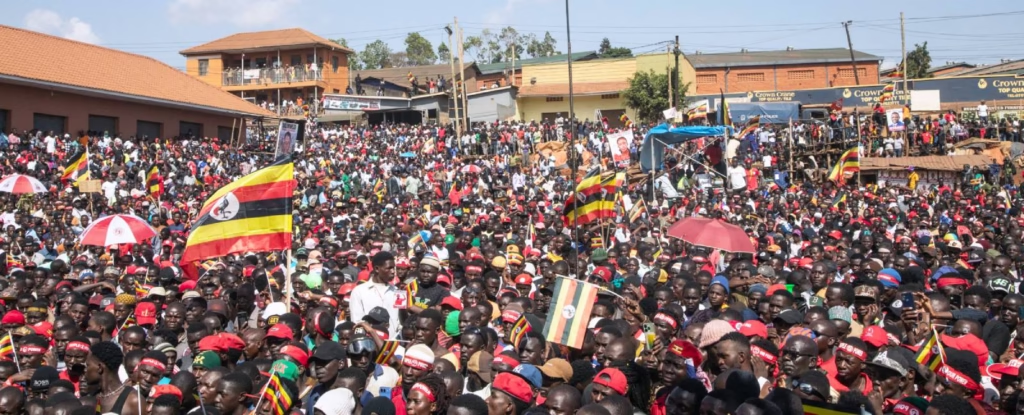
At a recent opposition rally, Conrad Olwenyi highlighted frustrations over healthcare, education, and rising taxes. “Forty years in power, and when you go to hospitals, there’s no medication. Schools are underfunded. Our small earnings are taxed heavily. We can no longer feed ourselves,” he said. Amnesty International has condemned the security forces’ response to opposition activities, describing tear gas, beatings, and arrests as a “brutal campaign of repression” ahead of the election. Wine himself has decried the crackdown, noting that dozens of supporters have been forcibly detained. “They cannot abduct all of us. The jails are already full, and millions of change-seeking Ugandans remain,” he said.
The National Unity Platform (NUP), Wine’s political party, says arbitrary arrests and intimidation are widespread at rallies, particularly in Kampala and surrounding districts, raising concerns over whether the election will be free and fair. As the campaign intensifies, Uganda’s youth-driven opposition movement faces growing pressure from security forces, while calls for generational change and political accountability continue to resonate across the country.