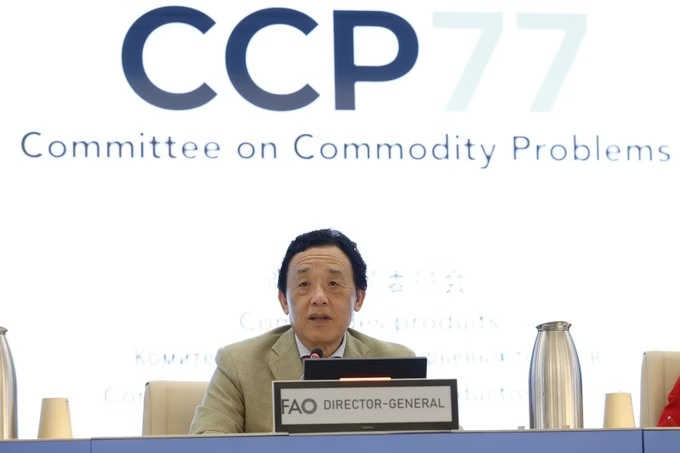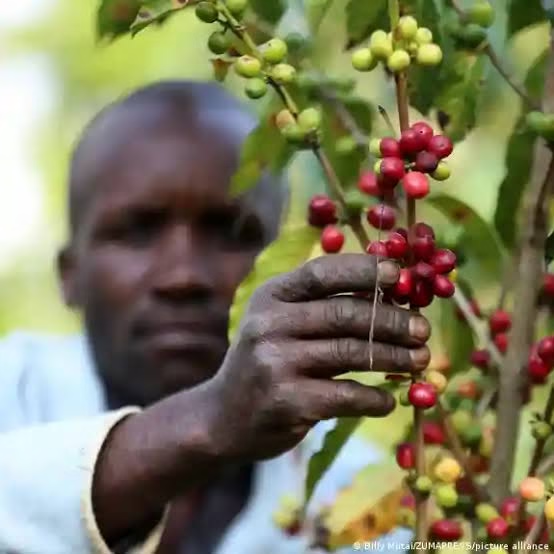

Millions of African farmers who depend on coffee, cocoa and tea for their livelihoods are facing mounting economic pressure as volatile global prices, climate change and crop diseases continue to disrupt production, according to a new report by the Food and Agriculture Organization of the United Nations (FAO). The report says sharp fluctuations in global commodity prices are making it increasingly difficult for smallholder farmers to plan production and earn stable incomes. Small-scale producers account for more than 60% of the world’s coffee and tea production and remain among the most vulnerable participants in global agricultural supply chains. “These price fluctuations have a significant impact on those who produce these commodities, namely smallholders,” said El Mamoun Amrouk, Senior Economist at the FAO’s Markets and Trade Division.
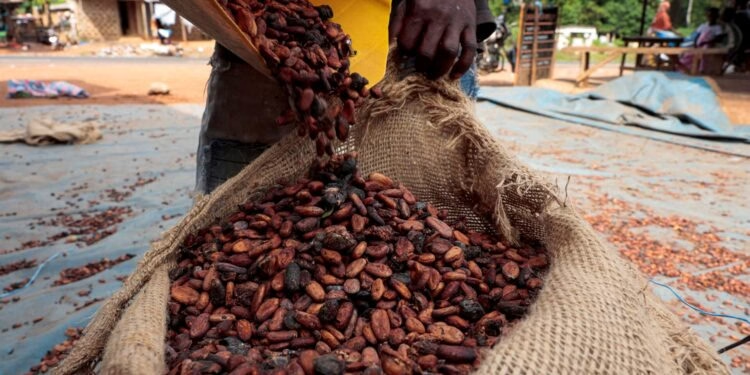
Africa is particularly exposed because many economies depend heavily on cash crops for export earnings and rural employment. Côte d’Ivoire and Ghana produce more than two-thirds of the world’s cocoa, while Ethiopia and Uganda are among Africa’s leading coffee exporters. The FAO warns that prolonged droughts, floods, rising temperatures and the spread of pests and crop diseases are reducing harvests and increasing production costs, placing additional strain on farming communities already grappling with unpredictable markets. To address these challenges, the agency is urging governments and development partners to invest in climate-resilient farming practices, improved seed varieties, modern technologies and stronger pest and disease control systems.
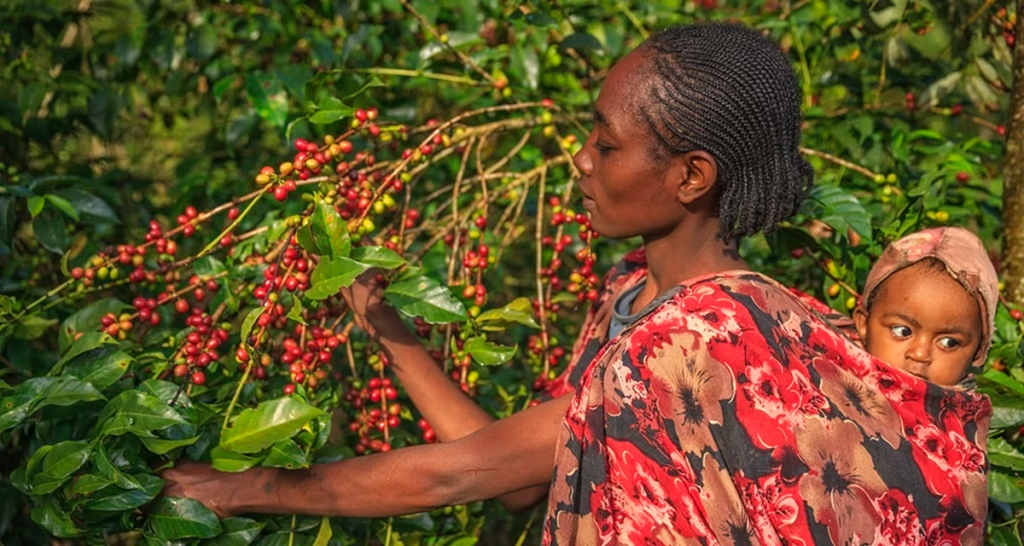
The report also calls for greater transparency in global commodity markets, arguing that better access to information on prices, production levels, trade flows and market trends would help farmers make informed decisions and strengthen their bargaining power. Beyond improving production, the FAO says expanding opportunities for farmers to participate in processing, certification and branding would allow them to capture a larger share of the value generated by coffee, cocoa and tea, helping to build more resilient rural economies. The agency cautions that without sustained investment and policy support, continued price volatility and climate-related shocks could deepen poverty, undermine food security and weaken export revenues across many African countries.