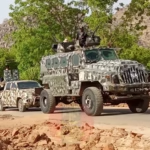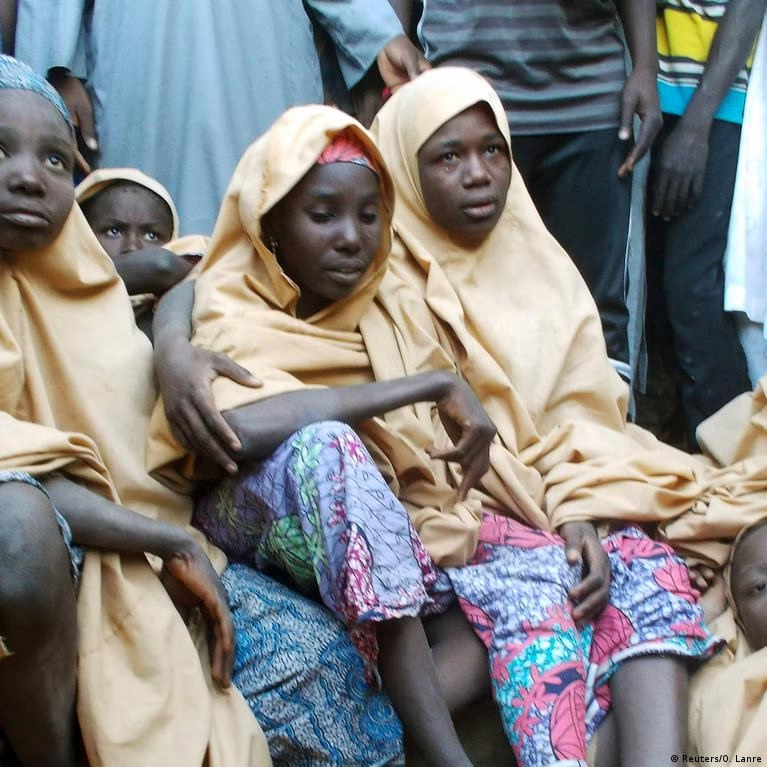

The Nigerian government secretly paid millions of dollars in ransom to Boko Haram to secure the release of up to 230 children and school staff abducted from a Catholic boarding school in November, an AFP investigation reported. According to multiple intelligence sources cited by AFP, the payment—made despite Nigeria’s law banning ransom to kidnappers also included the release of two Boko Haram commanders. The money was allegedly delivered by helicopter to the group’s stronghold in Gwoza, in Borno State, near the Cameroon border.
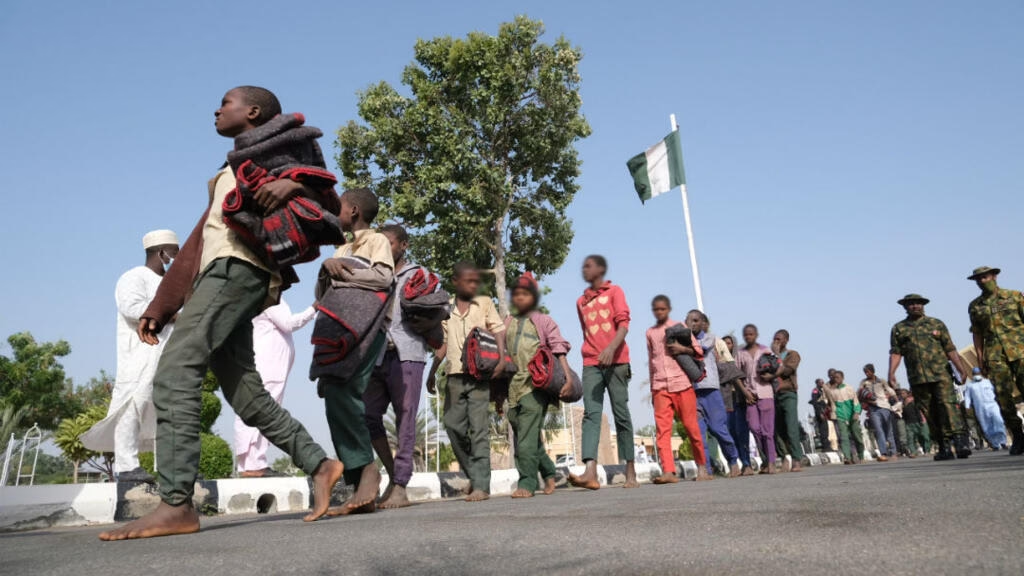
The abduction occurred on November 21 at St. Mary’s boarding school in Papiri, in Niger State, when close to 300 pupils and staff were taken. At least 50 hostages later escaped. While Boko Haram initially denied involvement, sources told AFP the operation was orchestrated by Sadiku, a notorious commander who runs a Boko Haram cell in central Nigeria and has previously carried out high-profile kidnappings, including a 2022 train hijacking. Negotiations reportedly lasted about two weeks and were led by Nigeria’s National Security Adviser Nuhu Ribadu. Nigerian authorities have repeatedly denied paying any ransom. The State Security Service said “government agents don’t pay ransoms,” maintaining that the captives were freed without concessions.
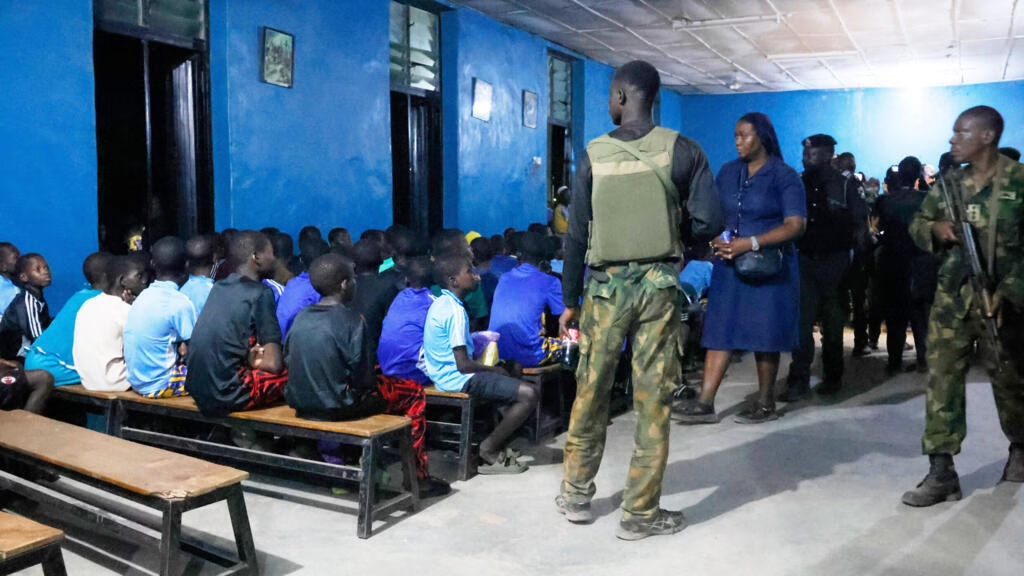
However, four intelligence sources familiar with the talks told AFP a “huge” payment was made. One estimated 40 million naira per hostage, or about $7 million total, while another put the sum at two billion naira. The funds were allegedly handed to Ali Ngulde, a Boko Haram commander, who crossed into Cameroon to confirm receipt due to poor communications before the first 100 children were released. The episode highlights Nigeria’s long-running kidnapping crisis, where jihadist groups and criminal gangs often collaborate to extract ransoms, despite official denials and international pressure, particularly from the United States under President Donald Trump, which has carried out air strikes and deployed trainers to support Nigerian forces.