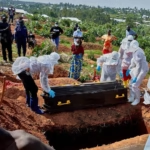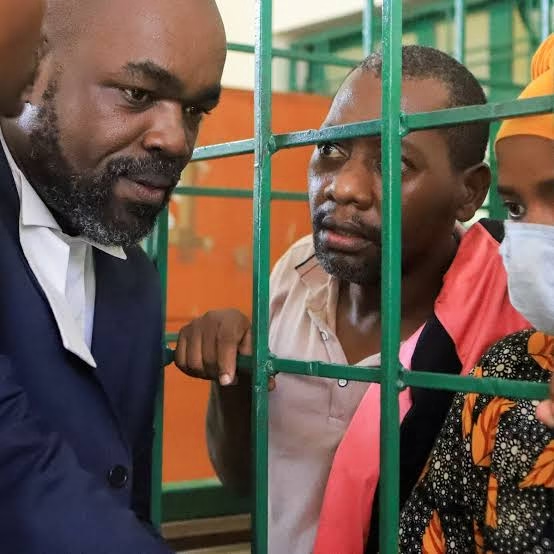

A Kenyan court is expected to deliver its verdict on Monday in the trial of self-proclaimed preacher Paul Mackenzie and his associates, who are accused of murdering 191 people, most of them children, in the Shakahola Forest tragedy. The case centres on the discovery in 2023 of hundreds of bodies in shallow graves in Shakahola Forest, near Malindi on Kenya’s coast. More than 400 bodies have since been recovered from the wider area, making the case one of the country’s most disturbing mass-death investigations.
Prosecutors allege that Mackenzie persuaded followers to starve themselves to death in the belief that doing so would bring them closer to Jesus. Children were allegedly among the first victims targeted. The allegations have raised serious concerns about religious exploitation and the protection of vulnerable people. Mackenzie and his co-accused have denied the charges. His defence team has questioned the strength of the prosecution’s evidence, arguing that the case relies heavily on circumstantial evidence and inconclusive forensic findings.
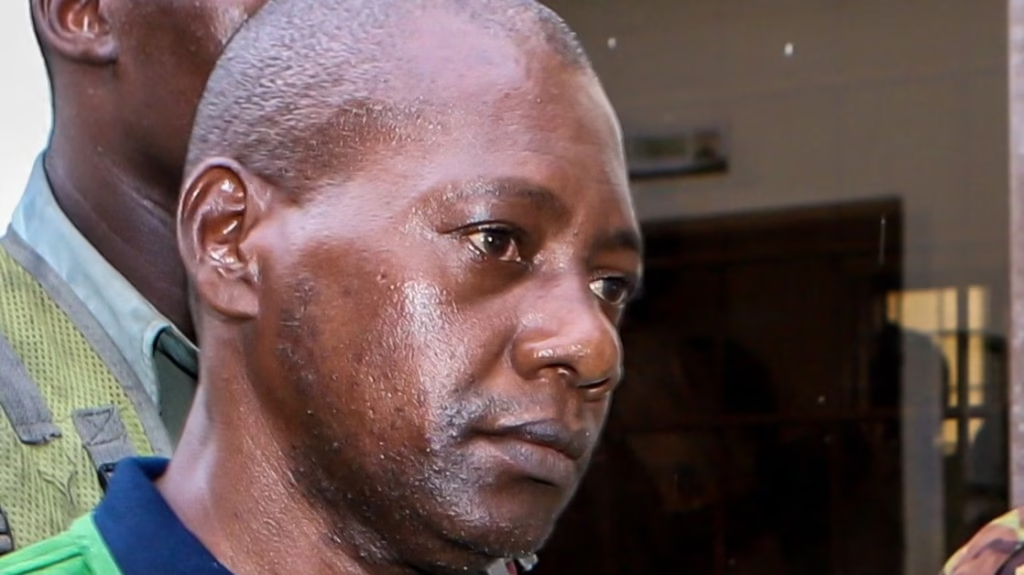
During the trial, more than 120 witnesses testified about events believed to have occurred between 2021 and 2023. Investigators have also faced the challenge of identifying victims and establishing the circumstances surrounding individual deaths. The Shakahola tragedy sparked nationwide outrage and prompted renewed calls for stronger oversight of religious organisations in Kenya, while raising difficult questions about freedom of worship and the responsibility of authorities to intervene when lives may be at risk. Mackenzie also faces separate manslaughter and terrorism-related charges, which he denies. The anticipated verdict is being closely watched by victims’ families and the wider public as they seek accountability for the deaths.