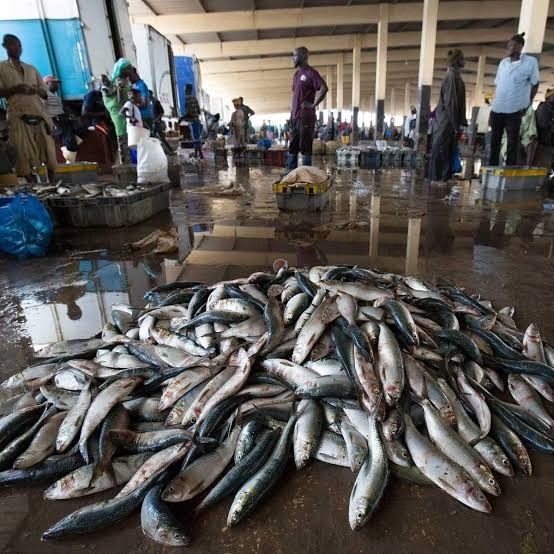

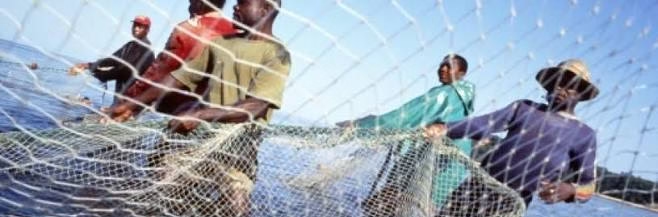
Deforestation is threatening fish populations and the livelihoods of fishing communities along the Mbali River in Boali, Central African Republic, as residents report shrinking catches and growing pressure on local fish supplies. Local fisherman Jean-Romeo Senguemboli says trees are being cut down to produce charcoal for cooking and heating, worsening environmental damage and making it increasingly difficult for fishing families to earn a living. “Without trees, the land will burn, the water will dry up even more and there will soon be no fish left,” he warned, adding that fish are becoming smaller amid rising temperatures and climate change.
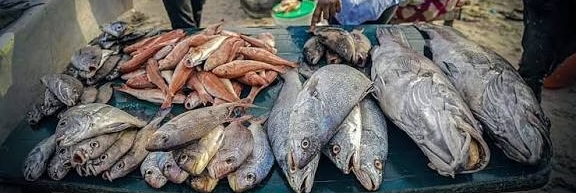
The shortage is also affecting local markets. Fishmonger Flore Ouagbele says demand has increased as buyers travel from towns including Yaloké and the capital, Bangui, to purchase fish, leaving local residents struggling to secure enough supplies. Environmental experts warn that removing trees can increase soil erosion and sediment entering rivers, affecting water quality and aquatic habitats. Changes in water levels, temperature and oxygen availability can also disrupt fish reproduction and survival.
Yves Kaengonza, an environment expert at the Central African Ministry of Water, Forests, Hunting and Fisheries, said tree felling was destroying fish breeding grounds and contributing to the pressure on aquatic life. The situation reflects wider environmental challenges across the Congo Basin, the world’s second-largest tropical rainforest after the Amazon. Deforestation threatens biodiversity, weakens ecosystems and puts communities that depend on forests and rivers at risk. The concerns come as countries meet at a United Nations biodiversity summit in Armenia to discuss global threats to nature, including deforestation and pollution.