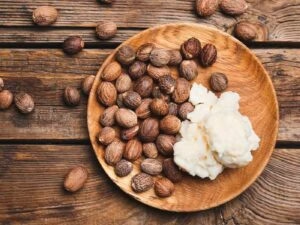

Nigeria has placed a six-month ban on the export of raw shea nuts, a move aimed at strengthening its domestic shea butter industry and capturing more value from the lucrative global market. The country is the world’s largest producer of shea, accounting for nearly 40% of global supply. Yet Nigeria currently earns just 1% of the estimated $6.5 billion shea market, largely because most of its nuts are exported without being processed. Vice President Kashim Shettima, who announced the ban in Abuja, described the situation as “unacceptable,” stressing the need for industrialization. “Our goal is to move from being mere suppliers of raw nuts to becoming a global hub for refined shea products used in cosmetics, food, and pharmaceuticals,” Shettima said.
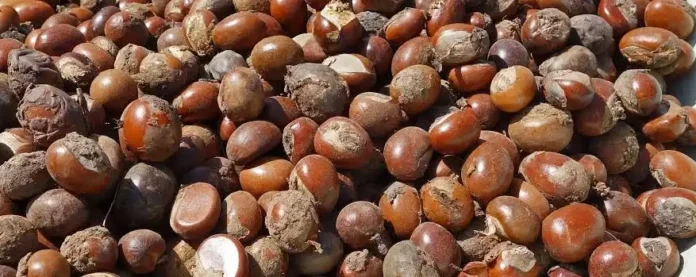
The government projects that revenues from the sector could rise from $65 million annually to at least $300 million once more value is added locally. Agriculture Minister Abubakar Kyari noted that Nigeria produces about 350,000 tonnes of shea nuts every year, but almost a quarter is lost through informal, unregulated cross-border trade. Shea trees, which grow naturally across West Africa’s “shea belt,” are mostly harvested by small-scale farmers, particularly women. This gives the crop major potential for rural development and gender empowerment.
Experts say the ban could be transformative if coupled with tighter regulation. “In some villages, you see heaps of shea nuts sold for little money, while the international value is so high,” said Dr. Ahmed Ismail of the Federal University of Minna. “This ban is long overdue. If properly managed, it will create jobs, boost government income, and put more money in farmers’ pockets.” Nigeria hopes that by prioritising local processing, it can reduce dependency on raw exports and establish itself as a major player in the international shea industry.