


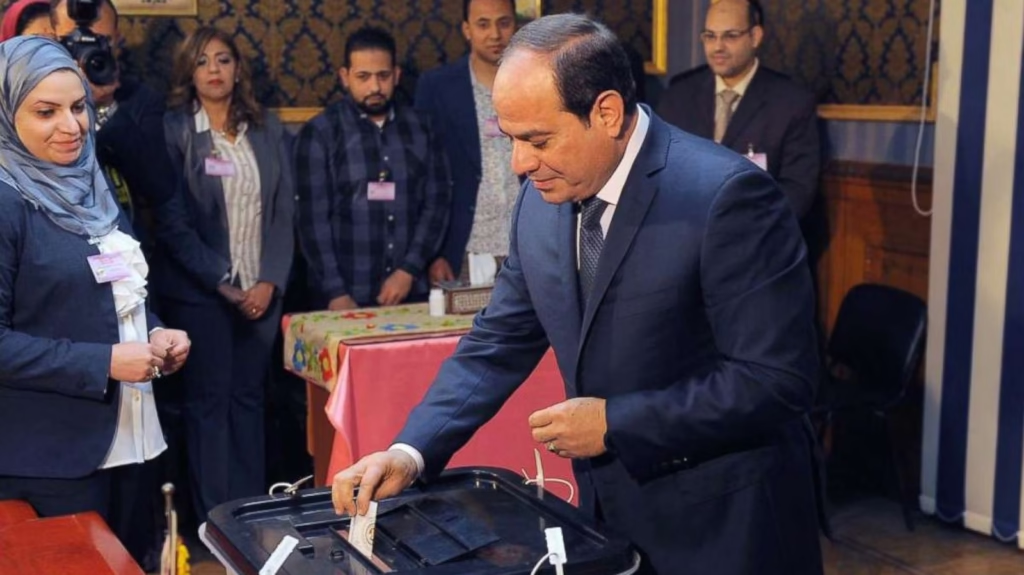
Egyptians began voting on Monday in the first phase of the country’s parliamentary elections, a process that will determine 568 seats in the House of Representatives through two rounds held this month. According to Egypt’s National Election Authority, nearly 63 million registered voters are eligible to participate. The first phase covers 15 provinces, including Cairo’s satellite governorate of Giza, Alexandria, Aswan, Luxor, and Fayoum, with polls scheduled to close Tuesday night. Official results are expected by November 18. More than 1,200 candidates are contesting seats, representing a mix of individual and party lists. However, analysts say the vote is unlikely to bring major political change, with Egypt’s pro-government coalition expected to maintain its overwhelming majority mirroring results from the Senate elections earlier this year.
The second phase of voting is set for November 24–25, covering the remaining 13 provinces, including Cairo and the Nile Delta region. The new parliament will take office before the current one’s term ends in January 2026.O pposition parties, weakened by years of internal divisions and state restrictions, are not expected to mount a significant challenge. Independent candidates and smaller parties have complained of limited access to media and campaign venues. Egypt’s political landscape has been tightly controlled since President Abdel Fattah al-Sisi came to power in 2014. A 2019 constitutional amendment extended presidential terms from four to six years and allowed Sisi to run for two more terms, potentially keeping him in office until 2030. The parliamentary vote comes amid mounting economic pressure, including inflation above 30%, a struggling currency, and growing public frustration over rising living costs.


