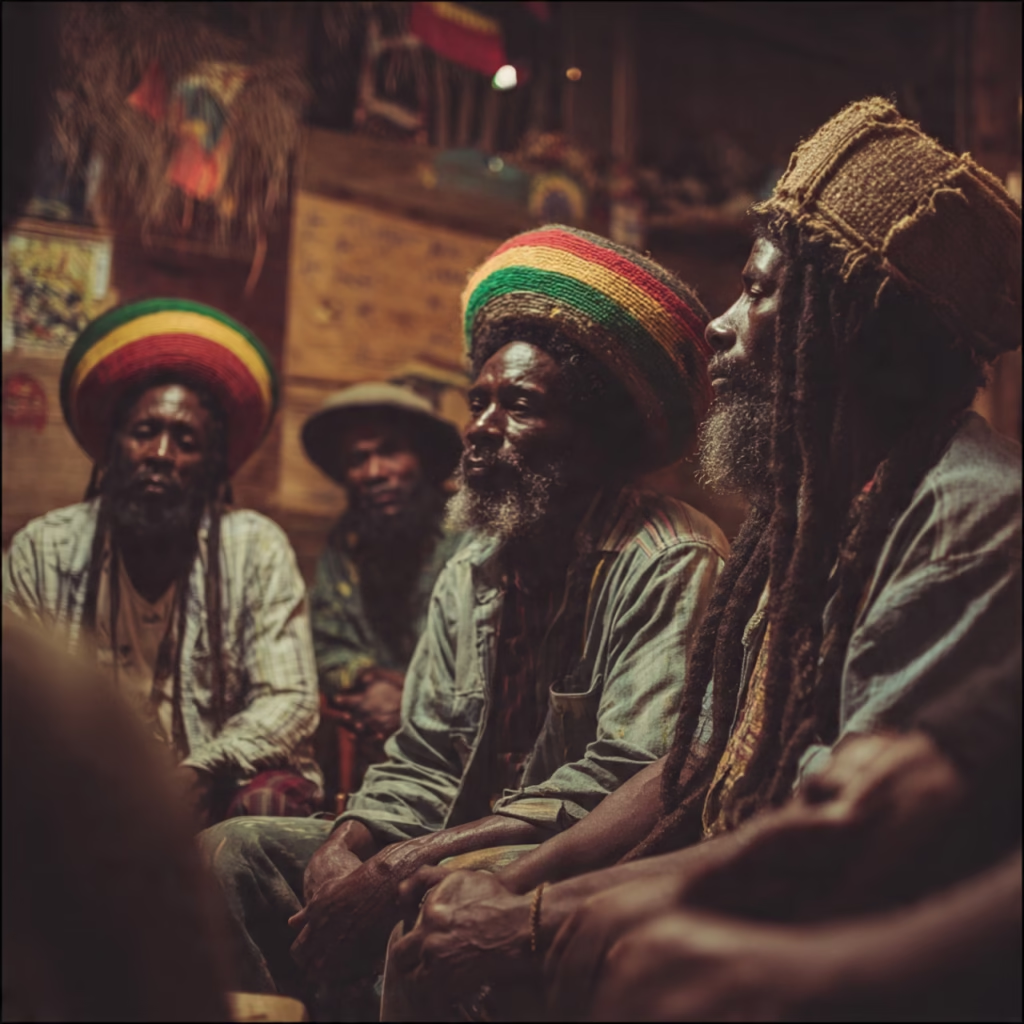

Kenya’s Rastafarian community is awaiting a landmark High Court ruling that could determine whether cannabis can be legally used for religious purposes, a decision that may reshape the country’s approach to freedom of religion and drug laws. The judgment, scheduled for 15 July, stems from a lawsuit filed in 2021 by the Rastafari Society of Kenya seeking the decriminalization of cannabis for spiritual use. Followers argue that smoking cannabis is a sacred practice that enhances meditation, promotes inner peace and strengthens their connection with “Jah,” the name they use for God.
“Rastafari is our culture and smoking weed or marijuana is a part of our culture. So we have to defend it in the court of law,” said the society’s spokesperson, Mwendwa Wambua, popularly known as Ras Prophet. Although the Rastafari faith is officially recognized in Kenya, the country’s Narcotic Drugs and Psychotropic Substances (Control) Act of 1994 criminalizes the possession of cannabis, with offenders facing up to 10 years in prison and hefty fines. Members of the movement say the law has led to repeated arrests and discrimination. Rastafarian Moses Mudachi Isavwa, also known as Ras Masinde, said followers are often jailed alongside violent offenders despite their peaceful beliefs. Community members also claim they are frequently profiled because of their dreadlocks, an important symbol of their faith.
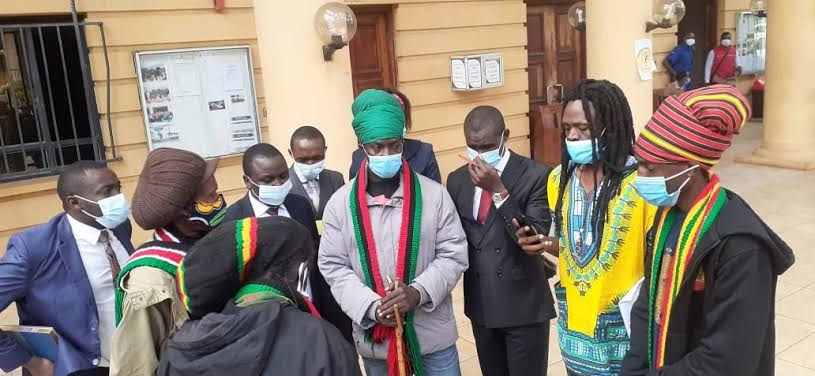
The ruling is being closely watched by religious rights advocates and legal experts, as it could set a precedent on balancing constitutional protections for religious freedom with Kenya’s narcotics laws. Ahead of the verdict, Rastafarians gathered at their community centre in Nairobi’s Kibera settlement, home to the Haile Selassie Foundation. Named after Haile Selassie, whom Rastafarians regard as a divine figure, the foundation provides vocational training and religious education to young people in an effort to reduce crime and promote self-reliance. If the court rules in their favour, Kenya could join a small number of countries that permit the limited religious use of cannabis under constitutional protections for freedom of worship.