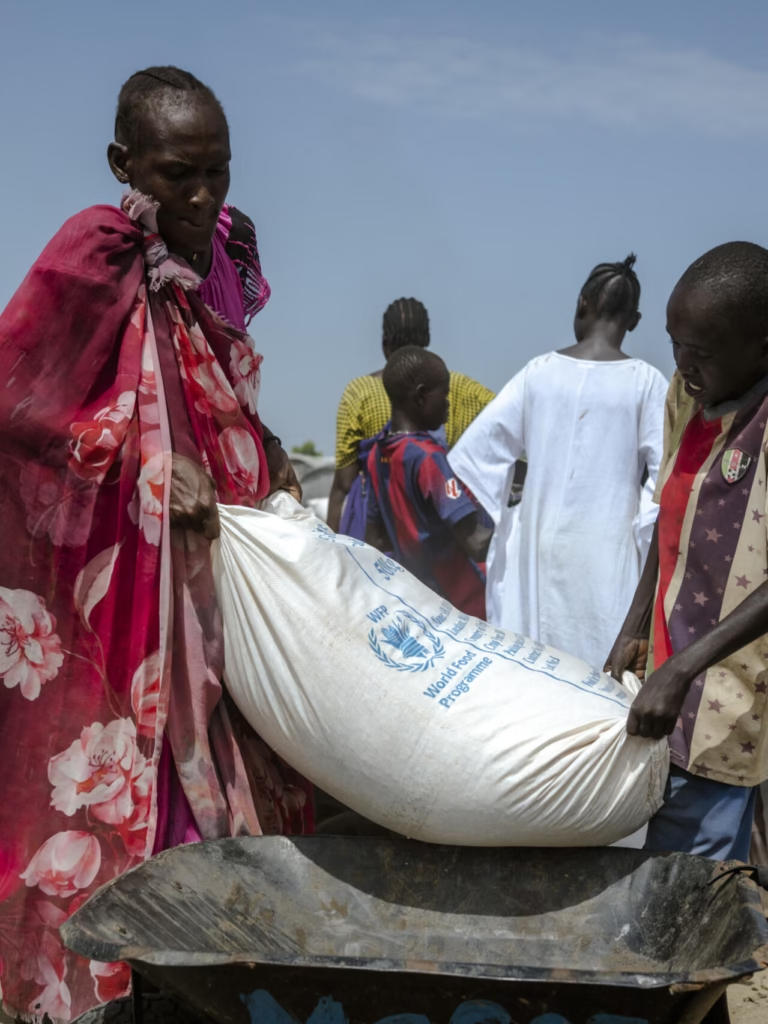

Conflicts, geopolitical tensions and disruptions to global energy markets could push 9 to 18 million more people into hunger, with Africa expected to bear the greatest impact, according to the President of the International Fund for Agricultural Development (IFAD). The warning comes as a new United Nations State of Food Security and Nutrition report shows that, despite modest improvements in recent years, global progress in reducing hunger remains fragile. The report projects that more than 500 million people could still face chronic hunger by 2030, jeopardizing the achievement of the UN’s Sustainable Development Goal of ending hunger. Speaking to the Associated Press, IFAD President Alvaro Lario said ongoing conflicts and geopolitical crises continue to disrupt global shipping routes, energy supplies and agricultural markets, driving up the cost of fuel, fertilizers and food.
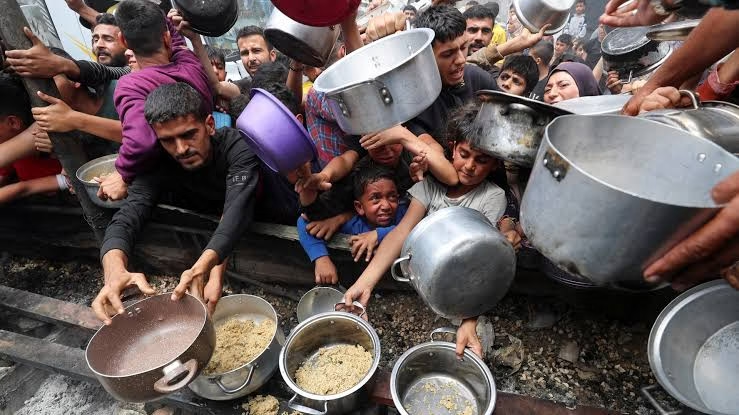
Lario pointed to uncertainty surrounding key global trade routes, including the Strait of Hormuz, as an example of how geopolitical instability can quickly ripple through global food systems. Higher energy prices increase production and transportation costs, making food more expensive and less accessible, particularly in low-income countries. Conflict remains one of the biggest drivers of global hunger, he said, noting that wars not only destroy agricultural production but also disrupt supply chains and displace farming communities, creating a cycle in which hunger and instability reinforce one another. Small-scale farmers are among the hardest hit. Rising fuel prices increase the cost of operating irrigation systems, harvesting crops and transporting produce to markets, while higher fertilizer prices reduce agricultural productivity and threaten future harvests. The UN report also highlights food affordability as a growing global concern. Although food production continues to increase worldwide, about one-third of the global population still cannot afford a healthy diet. In low-income countries, the figure rises to approximately 77 percent, reflecting widening inequalities in access to nutritious food.
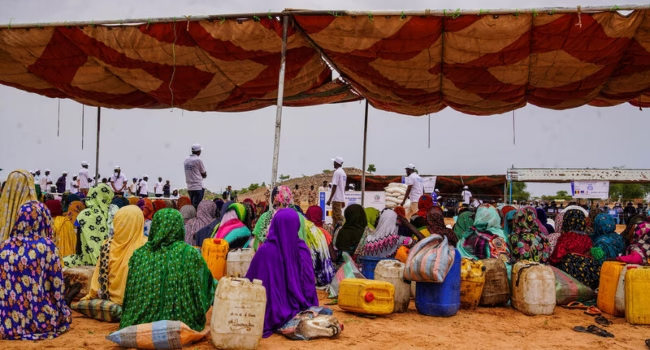
Climate change is compounding the crisis. More frequent floods, prolonged droughts and extreme heat are damaging crops, reducing harvests and undermining rural livelihoods. Lario urged governments to prioritize climate resilience by investing in irrigation, climate-smart agriculture, storage facilities and disaster preparedness rather than relying solely on emergency aid after disasters occur. Africa is expected to face the greatest food security challenges over the coming years. For the first time, the continent has overtaken Asia as the region with the highest number of hungry people, and the UN estimates that nearly 60 percent of the world’s chronically undernourished population could be living in Africa by 2030. Lario attributed the trend to rapid population growth, persistent conflicts, climate-related shocks and slower economic development. He also noted that African countries collectively import nearly US$100 billion worth of food annually, highlighting the need for greater investment in local food production, agricultural infrastructure, storage facilities and regional trade.The report co ncludes that without stronger investment in resilient food systems and coordinated global action, conflicts, climate change and energy market disruptions could reverse recent gains and deepen food insecurity for millions of people, particularly across Africa.