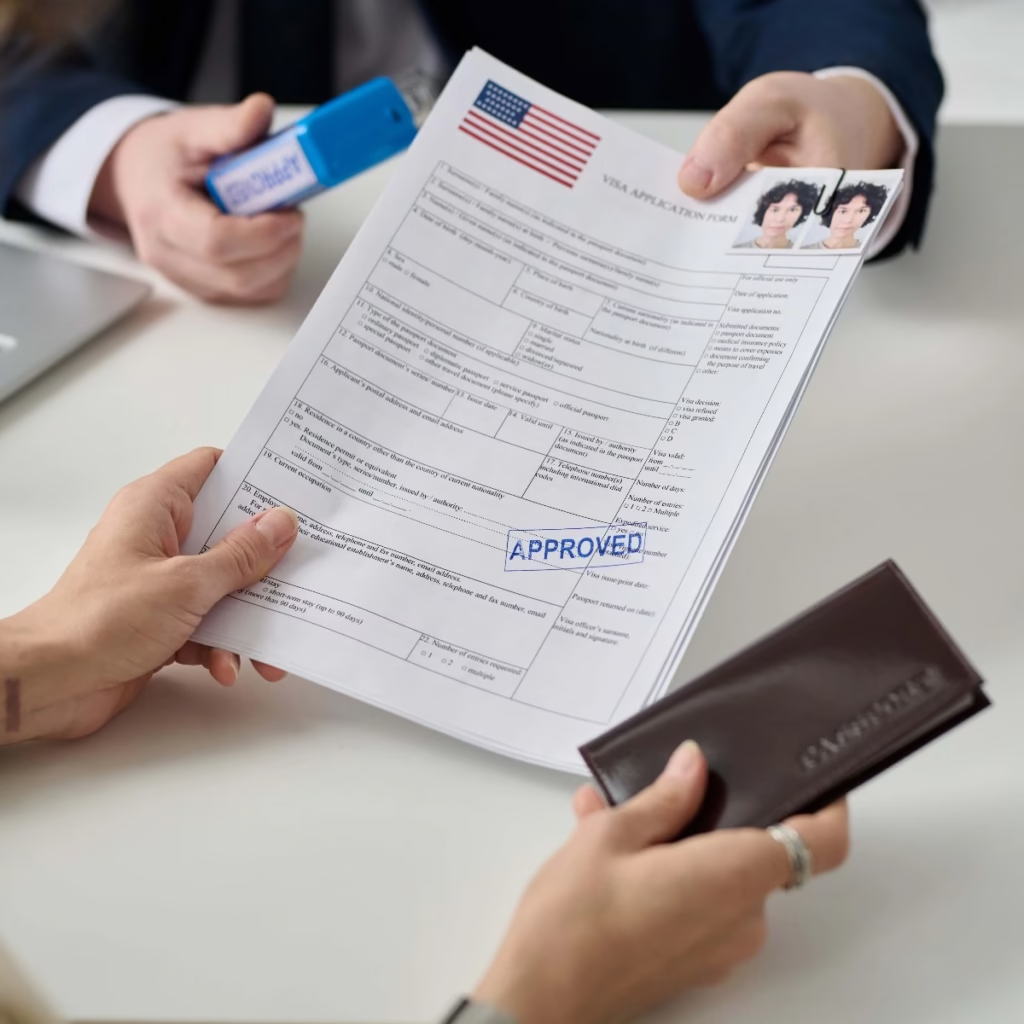

The United States has introduced a permanent visa bond program that could require certain travelers from 50 countries, including 30 African nations to pay security deposits of up to US$20,000 before receiving business or tourist visas. The policy, which took effect on August 3, 2026, applies to applicants seeking B-1 business and B-2 tourist visas. Under the new rule announced by the U.S. Department of State, consular officers have the discretion to require a refundable bond if they determine an applicant presents a higher risk of overstaying their visa. The security deposit serves as a financial guarantee that visitors will comply with U.S. immigration laws. Travelers who leave the United States within the terms of their visa will have their bond refunded, while those who overstay or violate visa conditions risk forfeiting the deposit.
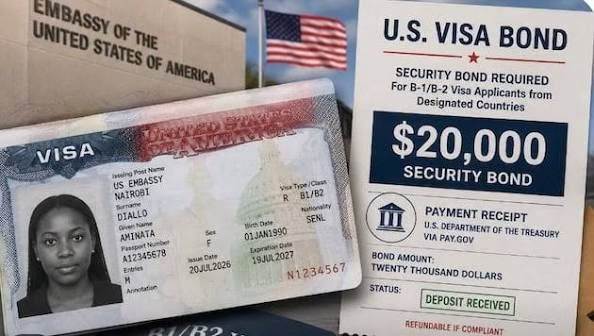
The permanent policy expands a pilot program launched in August 2025. During the trial phase, bond amounts ranged from US$5,000 to US$15,000. Under the new framework, the US$5,000 option has been eliminated, while US$10,000 and US$15,000 remain in place alongside a newly introduced maximum bond of US$20,000. Among the countries affected are several African nations, including Uganda, Ethiopia, Mozambique, and Zimbabwe, as well as other countries identified by U.S. authorities based on visa overstay rates and immigration compliance assessments. According to the State Department, the program is intended to reduce visa overstays and strengthen compliance with U.S. immigration regulations. Officials say results from the pilot program indicated that requiring financial bonds encouraged travelers to adhere to the conditions of their visas.
However, the policy has drawn criticism from immigration experts, travel industry stakeholders, and advocacy groups. They argue that requiring deposits of up to US$20,000 could make travel to the United States financially unattainable for many legitimate visitors, particularly those from lower-income countries. Critics also warn the measure could discourage international tourism, reduce business travel, and negatively affect sectors of the U.S. economy that depend on foreign visitors. While the bond requirement will not apply to every applicant, its discretionary nature means eligible travelers from affected countries may face additional financial hurdles when applying for U.S. visas.