
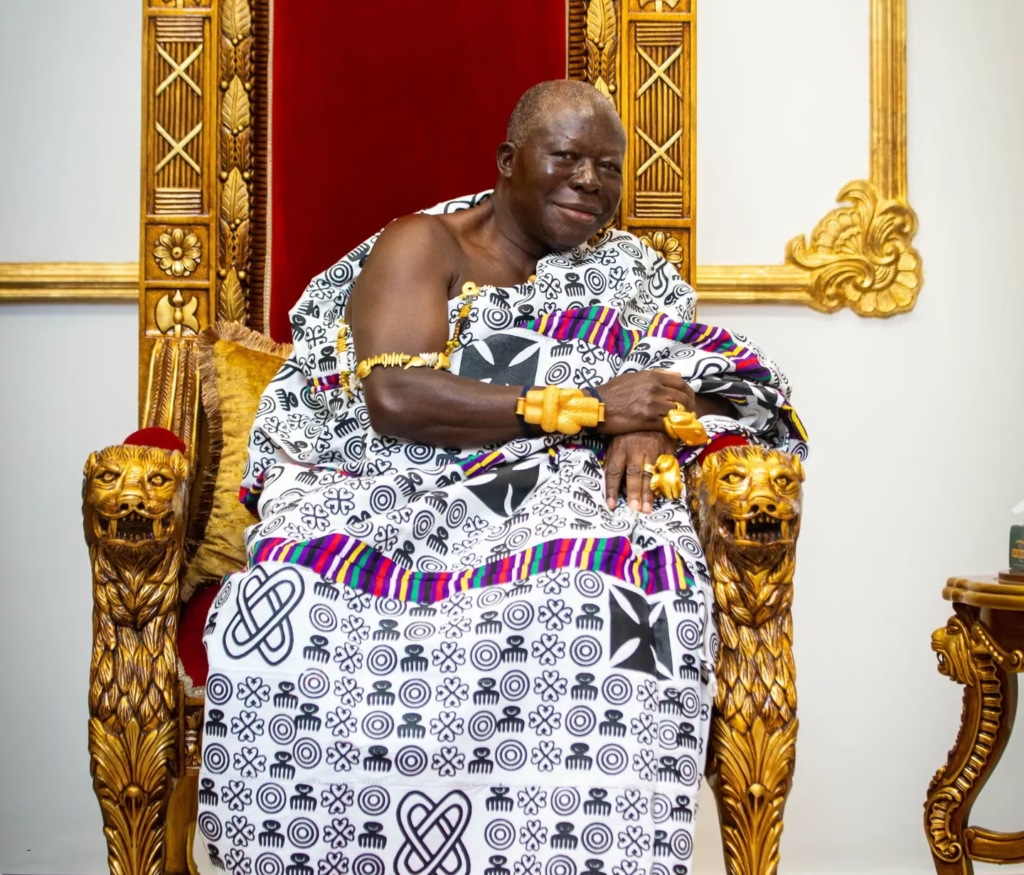

Ghana has received more than 130 gold, bronze, and wooden artefacts looted from the Asante Kingdom between the 1870s and early 1900s, marking one of the largest repatriations of African cultural heritage in recent years. The treasured items were officially handed over on Sunday to Asantehene Otumfuo Osei Tutu II during a ceremony at the Manhyia Palace Museum in Kumasi, the historic seat of the Asante Kingdom. The artefacts included royal regalia, ceremonial gold weights, linguist staffs, and drums, which were returned by Britain and South Africa. Many had been taken during British military expeditions, including the 1900 siege of Kumasi, when colonial troops looted the royal palace.

Experts say the artefacts, dating from 45 to 160 years old, illustrate the Asante Kingdom’s sophisticated system of governance, spirituality, and its deep connection to gold a symbol of both wealth and divine power. Among the notable contributors to the restitution were:
- AngloGold Ashanti, a South African mining company, which returned several artefacts it had purchased on the open market.
- The Barbier-Mueller Museum in Geneva, which repatriated items collected by Swiss art collector Josef Müller in 1904.
- British art historian Hermione Waterfield, who donated several works from her private collection, including a wooden drum believed to have been seized during the 1900 British siege.
In an emotional speech, Otumfuo Osei Tutu II praised the collaborative spirit behind the restitution, describing it as a “historic moment of justice and healing.” “These artefacts are not just objects — they are symbols of our identity, sovereignty, and resilience,” the king said. The Asante Kingdom, one of precolonial Africa’s most powerful empires, ruled much of modern-day Ghana from the late 17th century until its annexation by Britain in 1901. The return of these artefacts forms part of a growing global movement urging museums and collectors to return looted African heritage.


