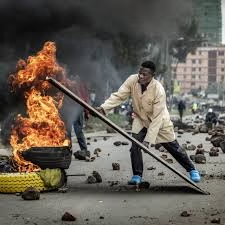

At least four people have died during nationwide transport protests in Kenya after a sharp rise in fuel prices triggered widespread demonstrations and paralyzed movement in several major cities. The unrest began on Monday when public transport operators launched a strike over soaring fuel costs, forcing thousands of “matatu” minibuses off the roads and leaving commuters stranded across the country. Protesters blocked highways, burned tyres and attempted to stop private vehicles and motorcycle taxis from operating in cities including Nairobi, Mombasa, Nakuru, Eldoret and Nyeri. Kenya’s Interior Ministry confirmed four deaths linked to the protests, though authorities did not immediately release details surrounding the incidents. Security forces were deployed to several protest hotspots as clashes and tensions intensified.
The demonstrations were sparked by recent increases in fuel prices, including a 23.5 percent rise in diesel costs. Government officials blamed the hike on global oil market disruptions tied to instability in the Middle East and shipping concerns around the Strait of Hormuz. Kenya relies heavily on imported petroleum products, making the economy highly vulnerable to international energy price fluctuations. “They do not want to listen to citizens when we say the prices are too high,” one protester said, reflecting growing frustration over the rising cost of living. The strike significantly disrupted economic activity, with schools closing, businesses shutting early and roads into Nairobi’s central business district remaining unusually empty.
Treasury officials defended the fuel price adjustments, arguing they were necessary because of global market pressures and fiscal challenges facing the government. However, critics say high fuel taxes and levies have worsened the burden on ordinary Kenyans already struggling with inflation and unemployment. Economic analysts warned that prolonged unrest could inflict heavy losses on the economy, with previous nationwide protests costing businesses and the government millions of dollars in lost productivity and trade. The protests come amid increasing public pressure on the government over taxation, living costs and broader economic reforms introduced in recent years.