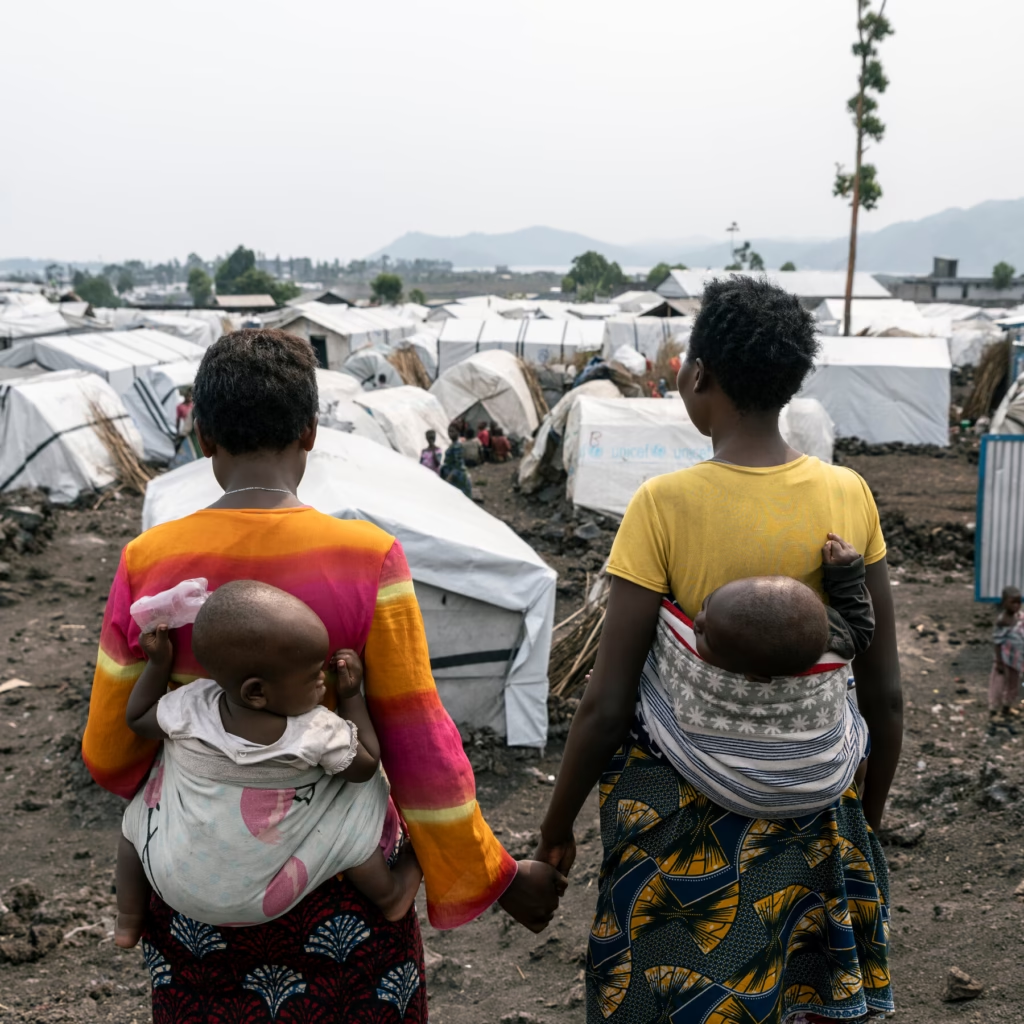

UNICEF has raised alarm over a sharp rise in sexual violence against children at the Rhoo displacement camp in eastern Democratic Republic of Congo, warning that years of conflict and persistent insecurity are leaving minors dangerously exposed to abuse. The UN agency says nearly three decades of fighting in eastern Congo—most recently intensified by advances by the Rwanda-backed M23 armed group—have weakened community protection systems and overwhelmed health and justice services. While conflict has fueled the crisis, UNICEF stresses that many attacks occur away from active frontlines, including during everyday activities such as collecting food or running errands.

Survivors arriving at health centers often show severe psychological distress, according to aid workers, who report cases of trauma, fear, guilt, and long-term emotional harm. Families in the camp say daily life is shaped by anxiety as parents struggle to keep children safe in overcrowded conditions. Outside the camp, insecurity remains high. Humanitarian workers warn that displaced people face serious risks when leaving the camp, even briefly, as armed groups continue to operate in surrounding areas.

Access to justice remains limited. Legal experts say survivors frequently cannot identify perpetrators and fear retaliation if they report abuses. In rural conflict zones like Rhoo, weak institutions, corruption, and insecurity mean most cases go uninvestigated, leaving perpetrators unpunished. UNICEF is calling for stronger child protection measures, improved survivor support services, and greater accountability to prevent further abuse and protect vulnerable children.