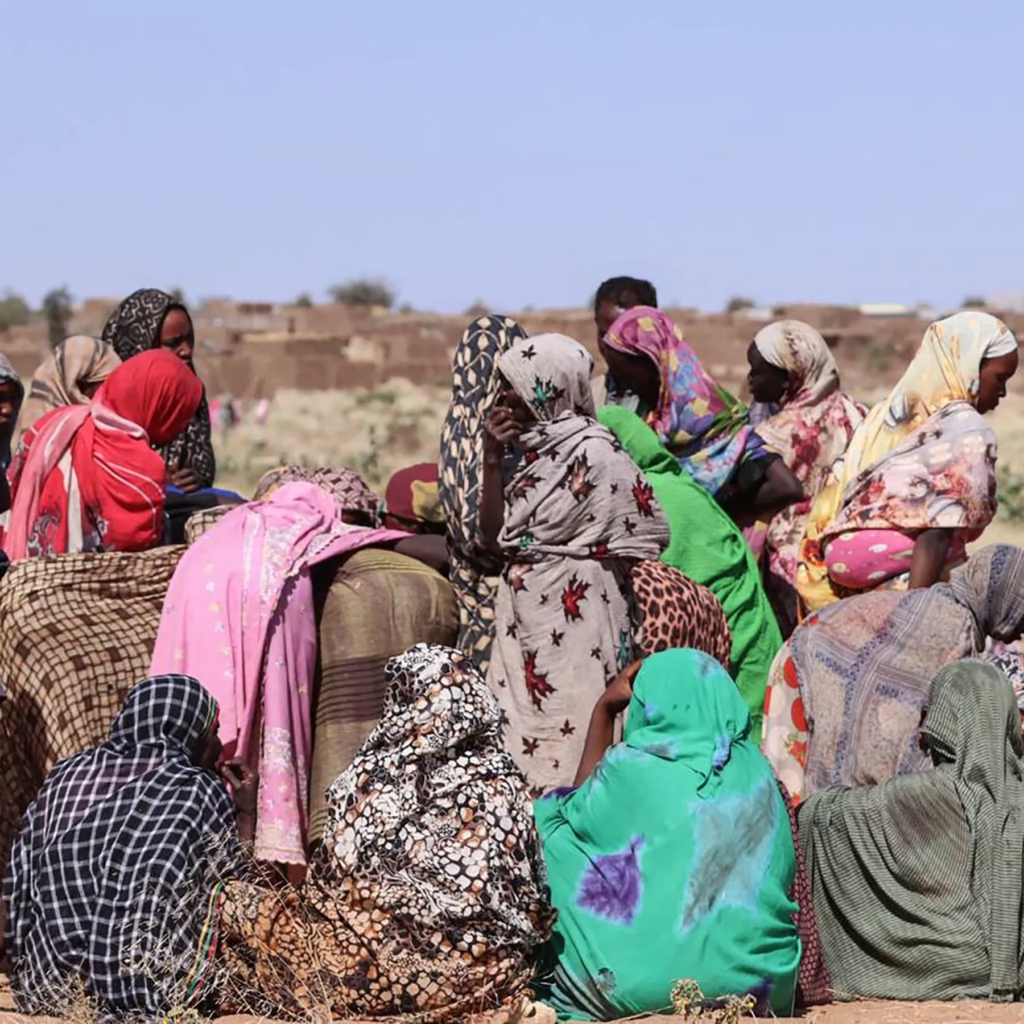

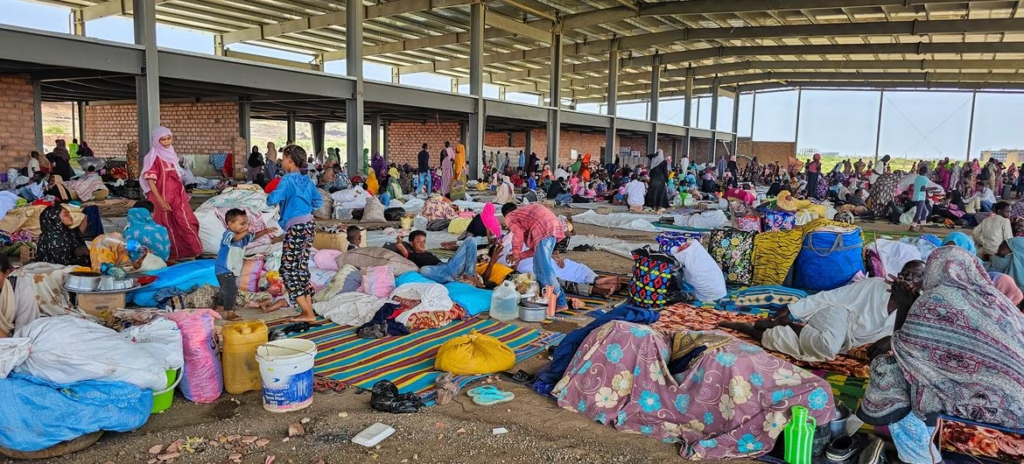
Aid agencies on Friday marked 1,000 days since Sudan’s war erupted in April 2023, warning that the conflict has triggered the world’s largest hunger emergency and displacement crisis. Civilians, the UN says, are paying the price for a war they did not choose. According to the UN Office for the Coordination of Humanitarian Affairs (OCHA), more than 21 million people urgently need food, while over 20 million require health assistance. An estimated 13.6 million people have been displaced inside Sudan or across its borders, including more than 4.3 million refugees who have fled to neighboring countries, straining already fragile host communities.
Fighting between the Sudanese Armed Forces and the paramilitary Rapid Support Forces continues across multiple fronts. In South Kordofan, sieges have cut off towns such as Kadugli and Dilling, severely limiting access to food, healthcare, farms, and markets. In Darfur, ground clashes and drone strikes persist, alongside long-range attacks on civilian infrastructure far from front lines. Children have been among the hardest hit. UNICEF says around 5,000 children have been displaced every day since the war began, many forced to flee repeatedly. Millions face heightened risks of violence, including sexual abuse, with survivors reported to include very young children.
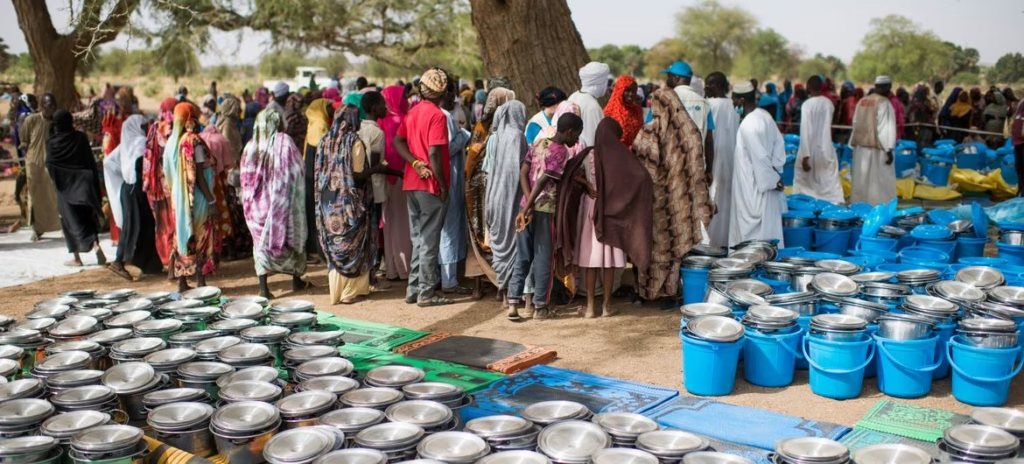
Women and girls are also disproportionately affected. OCHA estimates that 12 million people, mostly women and girls are at risk of gender-based violence, while female-headed households are three times more likely to be food insecure. The humanitarian response is hampered by severe funding shortfalls. Only 36% of the $4.2 billion requested for Sudan last year was funded, forcing aid agencies to scale back assistance. As a result, the UN says it can reach only about 20 million of the nearly 34 million people in need. Aid officials are calling for an immediate ceasefire, unhindered humanitarian access across conflict lines, and respect for international humanitarian law to protect civilians, aid workers, and critical infrastructure.