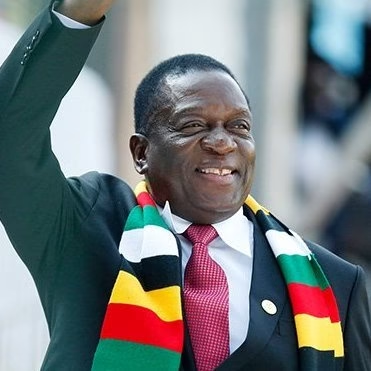

Zimbabweans have expressed mixed reactions after President Emmerson Mnangagwa signed controversial constitutional amendments into law, paving the way for his presidency to continue until 2030 and introducing major changes to the country’s electoral system. The new legislation extends the presidential term from five to seven years and abolishes direct presidential elections, transferring the power to appoint the head of state to Parliament. The ruling ZANU–PF says the reforms are intended to promote political stability and ensure continuity in governance.
The amendments have, however, sparked criticism from sections of the public and legal experts, who argue that the changes weaken democratic accountability while the country continues to grapple with economic hardship, high unemployment and a rising cost of living. Harare resident Allen Isam questioned the government’s priorities, saying many Zimbabweans are struggling with unemployment and worsening poverty while constitutional changes dominate the political agenda. Others welcomed the reforms. Another resident, Enerst Karo, said he supports the current leadership and believes President Mnangagwa should remain in office.
Human rights lawyer Doug Coltart argued that such far-reaching constitutional amendments should have been approved through a national referendum. He said the legislation could still face legal challenges over the manner in which it was passed, despite now being part of Zimbabwean law. Mnangagwa assumed power in 2017 after the military-assisted removal of longtime leader Robert Mugabe. He has since won two presidential elections, which under the previous Constitution represented the maximum two-term limit. Opposition parties and civil society organizations have accused the government of undermining democratic institutions, while the ruling party insists the constitutional reforms are necessary to strengthen governance and political stability.