
Plans that could pave the way for a major data centre development near an under-served community in Cape Town have raised concerns over water access, electricity demand and the impact of South Africa’s rapidly expanding digital infrastructure sector. In Barcelona, an informal settlement near Cape Town International Airport, residents live in small metal homes without piped water or proper sanitation. Some rely on communal taps, with older residents paying children a few rand to collect water for them. The situation has alarmed community activists as authorities encourage investment in large data centers, which support cloud computing, online services and the growing demand for artificial intelligence. The US-based company Equinix, which operates data centers worldwide, acquired land near the settlement. A recent rezoning decision could allow the land to be used for a future development, although the company says it has no immediate plans to build there.
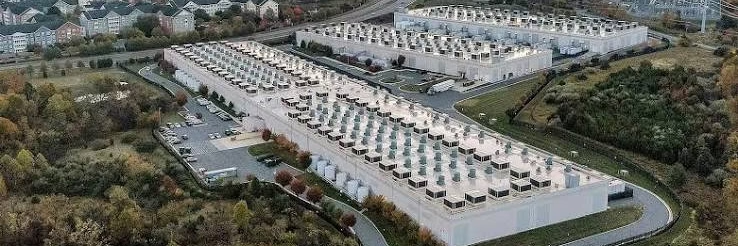
Equinix managing director Sandile Dube told AFP that any future project would follow the required procedures and take local communities’ concerns into account. He said the company’s facilities use dry-cooling systems designed to minimize water consumption and aim to avoid placing additional pressure on local electricity supplies. Housing Assembly, a community advocacy movement, has joined UK-based non-profit Foxglove and other organizations in challenging the rezoning decision. The groups argue that data center expansion must be governed by clear rules that protect communities’ access to essential services. Their concerns extend beyond Cape Town. South Africa has more than 60 data centers, making it the continent’s leading market, while the city has about a dozen facilities and has approved licenses for five more.

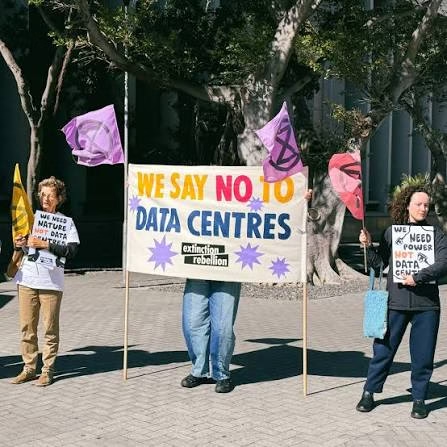
In a petition to the Cape Town mayor in September, Housing Assembly and climate campaigners from Extinction Rebellion called for a pause on new developments until enforceable standards are established. The groups have warned that large hyperscale data centers using conventional cooling systems could consume billions of liters of water annually. They have also called for greater transparency about electricity demand, cooling technology, backup power systems and the combined environmental impact of proposed facilities. Water security remains a sensitive issue in Cape Town, which narrowly avoided severe supply restrictions during the 2018 “Day Zero” crisis. Concerns over future shortages have renewed debate about how the city should balance industrial investment with residents’ basic needs.

Electricity consumption is another major issue. University of Cape Town information systems lecturer Pitso Tsibolane told AFP that a 160-megawatt data center operating at full capacity could use approximately 1.4 billion kilowatt-hours of electricity a year. The industry’s contribution to employment is also under scrutiny. Although data center construction can create hundreds of temporary jobs, permanent staffing requirements are generally low. Equinix said its facility outside Johannesburg employed about 750 people during construction but has 26 permanent employees. Digital Technologies Minister Solly Malatsi has said data centers must comply with existing building and environmental laws, including requirements relating to electricity and water provision. However, campaigners argue that dedicated regulations are needed to ensure large projects disclose their resource requirements before receiving approval.