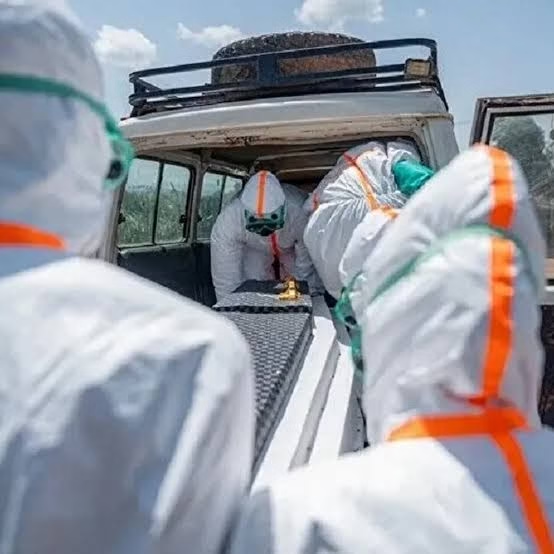

Africa’s latest Ebola outbreak has exceeded 10,000 confirmed cases in the Democratic Republic of Congo (DR Congo), with nearly 5,000 deaths reported as the virus spreads across multiple countries. According to figures released by Congolese health authorities, the country had recorded 10,060 confirmed infections and 4,887 deaths by October 25, making it the deadliest Ebola outbreak in the country’s history. The World Health Organization (WHO) has reported that the outbreak is caused by the Bundibugyo strain of the virus.
The outbreak was first detected in May 2026 and has spread across eight provinces, affecting 66 health zones. Ituri and North Kivu remain among the hardest-hit areas, where insecurity, limited access to healthcare and mistrust of authorities are complicating efforts to contain transmission. The virus has also been reported in Kenya and Nigeria. Kenya recorded nine cases, including two deaths, while Nigeria confirmed one case involving a Swiss woman who was evacuated to Switzerland for medical care. Uganda, which reported cases earlier in the year, has declared its outbreak over. Health officials are investigating possible links between cases across borders and tracing people who may have been exposed. In Nigeria, authorities identified contacts of the confirmed patient as part of efforts to prevent further transmission.
The response has faced serious challenges in eastern DR Congo. The World Health Organization reported that a nurse was killed and another health worker seriously injured in an attack in Tshopo province, highlighting the risks facing medical teams. Violence and community distrust can delay testing, treatment and contact tracing. The Bundibugyo strain presents an additional challenge because there is currently no licensed vaccine or specific treatment approved for the disease. A clinical trial involving vaccine candidates began in DR Congo in October, while patients continue to rely on supportive medical care. The WHO has called for stronger cross-border surveillance, early detection, contact tracing and coordinated action among affected countries. With transmission continuing in DR Congo, health authorities warn that sustained support and community cooperation are essential to bringing the outbreak under control.