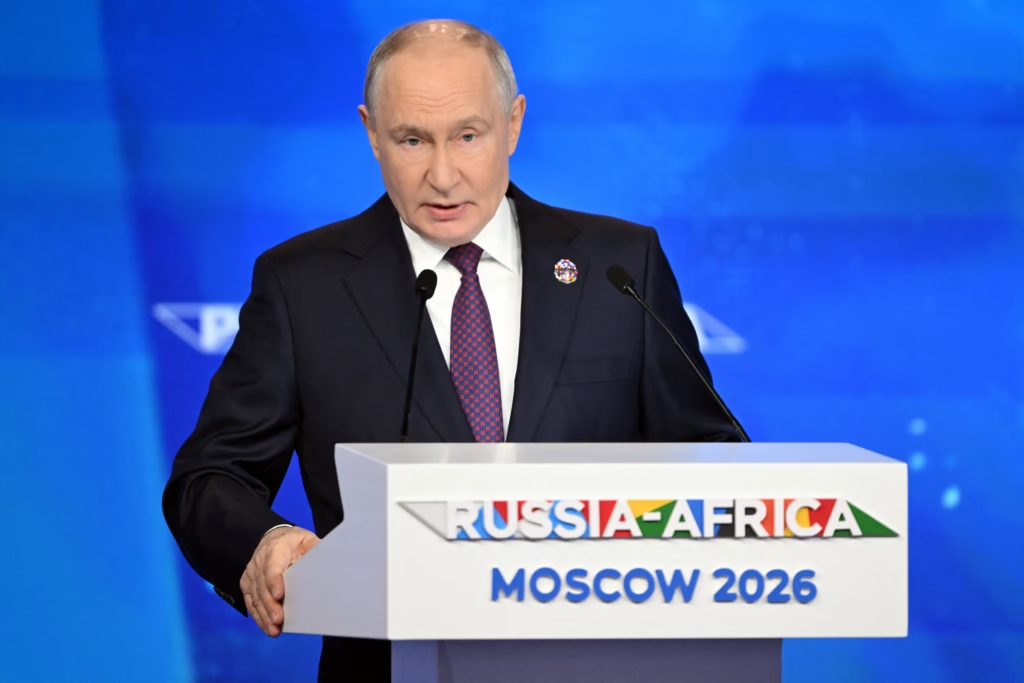

Russian President Vladimir Putin has hosted African leaders and delegations from 48 countries in Moscow for a two-day summit aimed at strengthening Russia’s political and economic relations with the continent. Speaking on Wednesday, Putin described Russia as a reliable partner for Africa and called for an end to what he characterized as Western dominance in global affairs. He argued that international decision-making should reflect the interests and voices of developing countries. Putin also accused Western nations of exploiting Africa’s natural resources and using debt to constrain the continent’s development. His remarks come as Moscow seeks to expand its diplomatic, economic and military presence across Africa, where Russian-linked security personnel remain active in several countries.
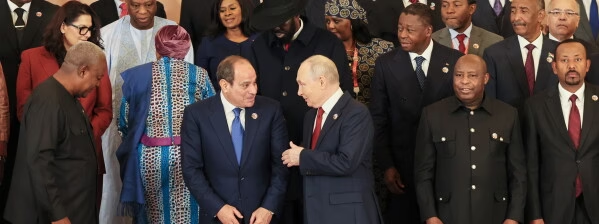
The summit, the third of its kind, has drawn representatives from 48 countries, including 22 African heads of state, according to the information provided. Discussions are expected to cover trade, investment, technology transfer, food and energy security, healthcare, education and youth exchanges. Putin called for reforms at the International Monetary Fund and the World Bank Group, arguing that developing economies should have a stronger voice in decisions affecting their growth and financial needs. Burundian President Évariste Ndayishimiye, who co-chaired the summit as the current African Union chair, called for partnerships that would help African countries create more wealth locally rather than depend on exporting raw materials and importing expensive finished products.
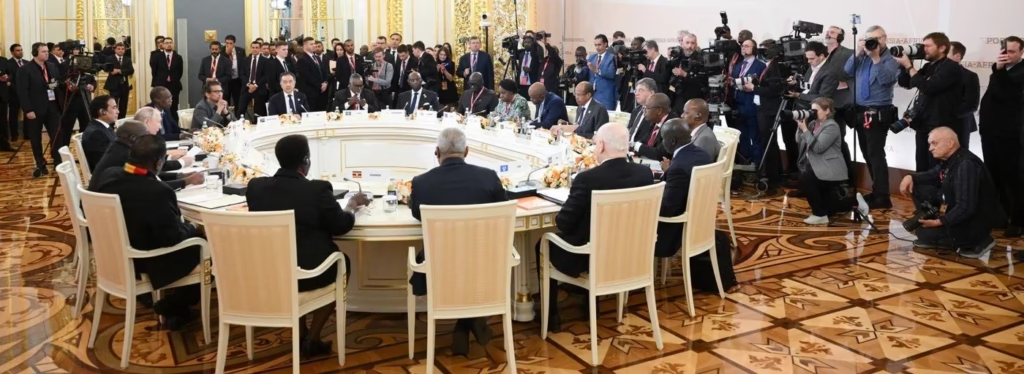
Ndayishimiye stressed the importance of African countries participating in the entire production chain, from manufacturing to marketing, to ensure that more economic benefits reach their populations. The summit reflects Russia’s continued efforts to deepen its engagement with Africa amid wider geopolitical tensions with Western countries. For African governments, cooperation with Moscow offers another avenue for pursuing investment, security assistance and diplomatic partnerships. However, the key question remains whether the commitments made at the summit will translate into tangible gains for African economies, particularly through industrial development, technology transfer, job creation and greater local control over natural resources.