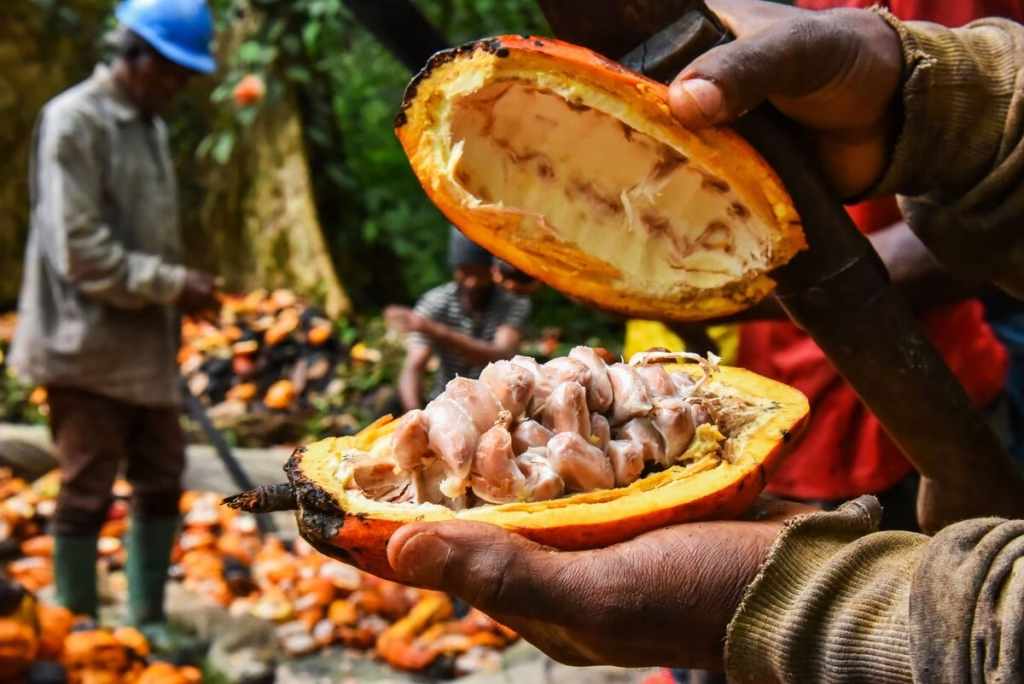

In Cameroon’s lush cacao belt, Indigenous Baka farmers are proving that cocoa can be grown without sacrificing the rainforest that sustains them. For generations, the Baka people have depended on the forest not only for cocoa, their main source of income, but also for food, medicine, and cultural survival. “We live with the forest and the forest lives with us,” says 26-year-old cocoa farmer René Etoua Meto’o. “When we care for the forest, it takes care of us — and our cocoa farms thrive.”
The global cocoa market has been booming, with prices surging from about $3 per kilogram in 2023 to nearly $8 in 2024. While this is good news for Cameroon’s economy — cocoa makes up roughly 12% of its annual exports — it has also intensified pressure to clear rainforests for farmland, threatening biodiversity and the Indigenous communities who call these forests home. “Indigenous people are the guardians of the Congo Basin,” explains Tessa Claude Ndala Mayouya of the United Nations Environment Programme (UNEP). “Their role in protecting ecosystems is critical.”
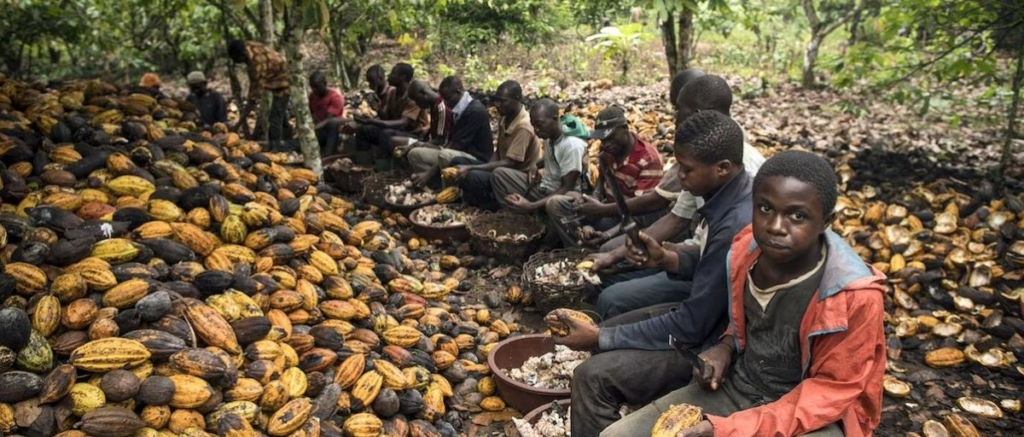
To counter deforestation pressures, the Congo Basin Landscapes Initiative — backed by UNEP and the Global Environment Facility — is equipping farmers with tools, training, and sustainable practices that boost yields without felling a single tree. The initiative also helps connect their premium cocoa to ethical buyers. At the consumer end, the result is chocolate bearing the green frog of the Rainforest Alliance — a symbol that the cocoa inside was grown without destroying forests or wildlife habitats.
“When you buy chocolate with that green frog, you’re not just buying a treat,” says Nadège Nzoyem, Rainforest Alliance’s Senior Director for West and Central Africa. “You’re helping farmers conserve biodiversity and protect their forests for generations to come.” With the global demand for cocoa at record highs, Cameroon is betting on a future where its farmers can grow more, earn more, and keep the rainforest standing.