
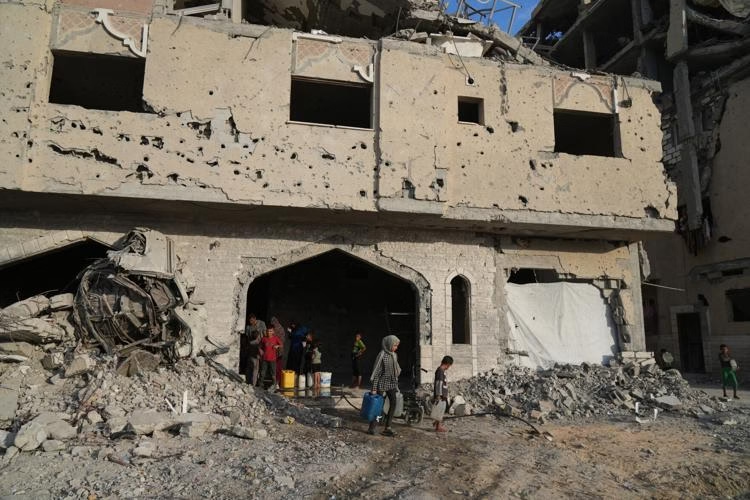

Calls are growing across Egypt for the reopening of the Rafah border crossing, as desperately needed humanitarian aid remains stranded on the Egyptian side while Gaza continues to face severe shortages of food, medicine, and fuel. The appeals intensified on Saturday after the Israeli military confirmed airstrikes near the border town of Rafah, further complicating efforts to deliver relief supplies into the besieged enclave.
Under the first phase of a US-mediated ceasefire deal between Israel and Hamas, Israel was expected to reopen the crossing on Wednesday to allow the entry of humanitarian aid. However, Prime Minister Benjamin Netanyahu’s government announced that Rafah would remain closed “until further notice,” citing Hamas’s alleged failure to hand over the remains of deceased Israeli hostages. In Cairo, many Egyptians voiced frustration and solidarity with the Palestinian people. “This has been our wish for two years to see the borders open and aid reach Gaza,” said Jada, a resident of the capital. Another Egyptian, Maryam, added, “They are our brothers and sisters. We’ll do whatever we can to help.”
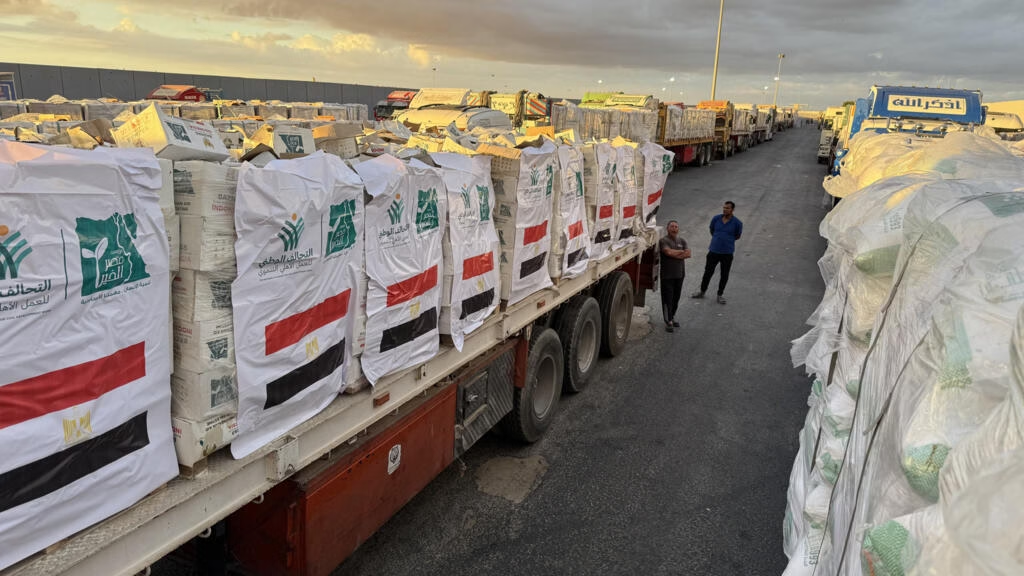
Dozens of Egyptian Red Crescent trucks, carrying food, medical supplies, and mobile clinics, remain parked near the crossing, awaiting clearance to enter Gaza. Aid agencies warn that every additional day of delay worsens the humanitarian crisis, with hospitals running out of basic supplies and over 2 million people in Gaza facing extreme hardship. The ceasefire, now in its second week, is showing signs of strain, with Israel and Hamas trading accusations of violating its terms. Analysts warn that without the swift reopening of Rafah Gaza’s main link to the outside world both humanitarian relief and the fragile truce could collapse.


