


The main opposition party in Tanzanian Election, Chadema, which was barred from participating, dismissed President Samia Suluhu Hassan 97.6% victory as “completely fabricated,” calling the process a “sham election.” Its leader, Tundu Lissu, has been in jail for months on treason charges after demanding electoral reforms, while another prominent opposition figure, Luhaga Mpina of ACT-Wazalendo, was disqualified from the race.
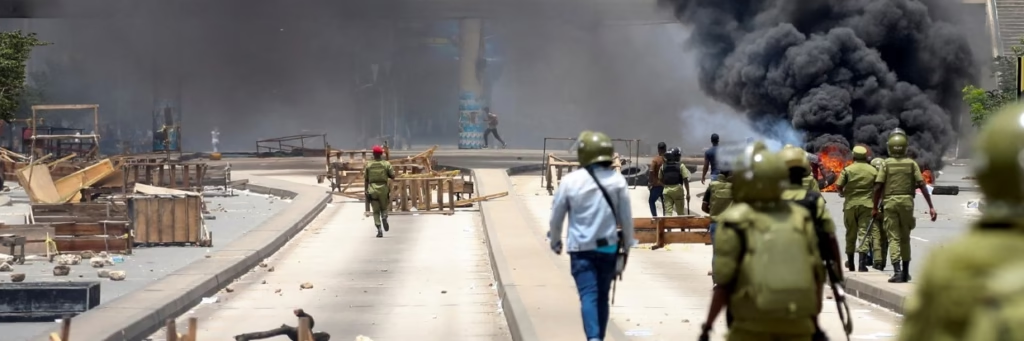
Protests Turn Deadly
The announcement followed days of violent demonstrations across major cities, including Dar es Salaam, Arusha, and Mwanza, where protesters clashed with heavily armed police over the exclusion of opposition candidates and alleged human rights violations. Eyewitnesses reported that police fired live ammunition and tear gas, leaving dozens injured. Rights groups, including Amnesty International and Human Rights Watch, have accused security forces of arbitrary arrests, enforced disappearances, and extrajudicial killings in the lead-up to the polls.
While Chadema claims hundreds of people were killed, the UN human rights office said it has verified at least 10 deaths and urged Tanzanian authorities to “refrain from excessive force and restore internet access,” which remains restricted under a nationwide curfew imposed since election day.
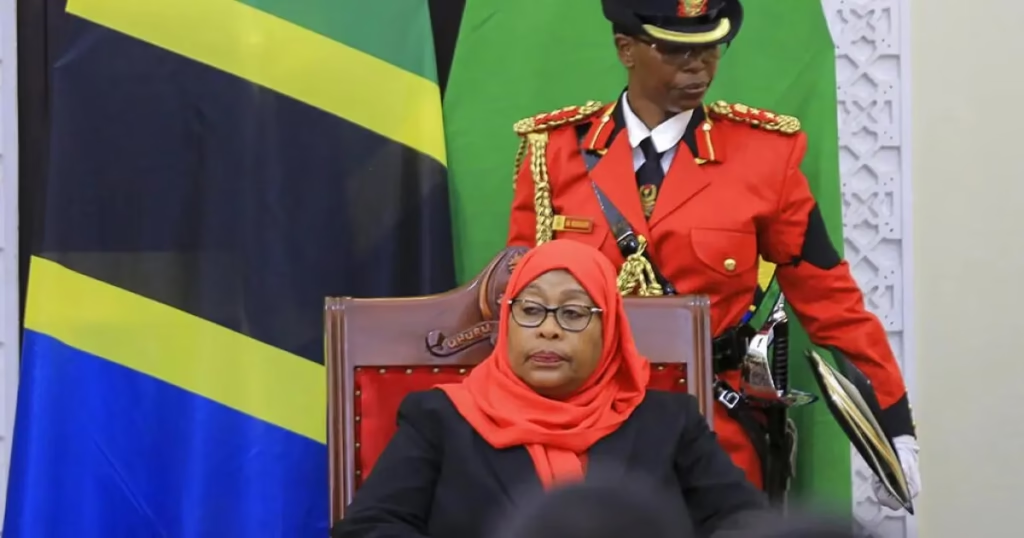
Government Defends Vote
Speaking in Dodoma, President Hassan hailed the result as a “collective victory” for Tanzanians and praised security forces for ensuring order, despite the chaos. “Patriots build their countries, not destroy what their fellow citizens have built,” she said, condemning the protests as “unacceptable and unpatriotic.” Government spokespersons have dismissed the opposition’s death toll as “grossly exaggerated” and defended the conduct of the election, calling it a “test of the nation’s democratic maturity.”
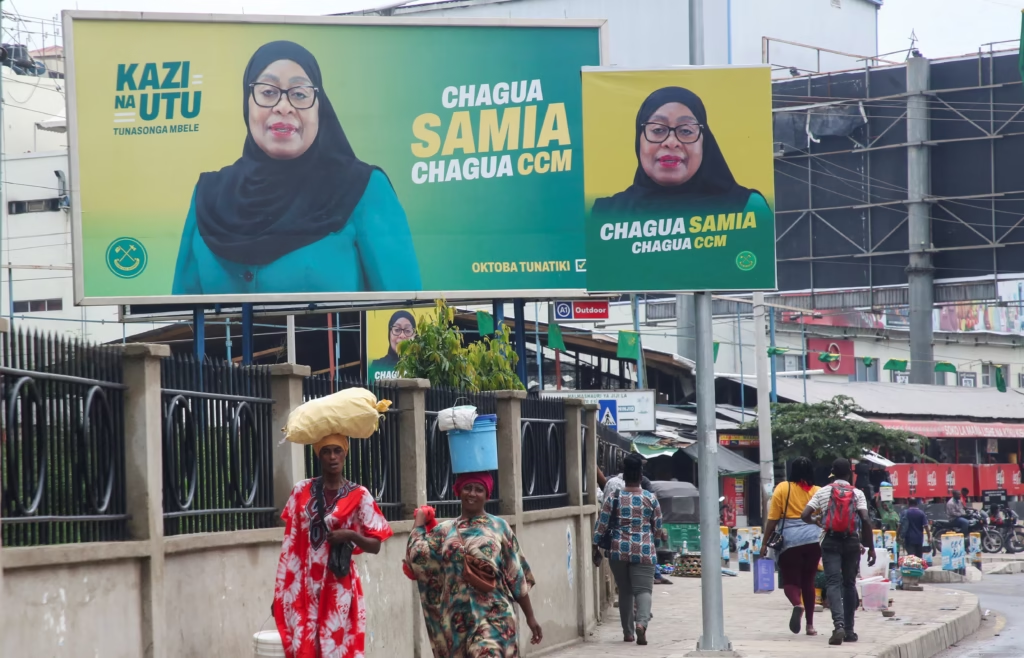
A Tightened Grip on Power
Hassan, who rose to power in 2021 after the death of John Magufuli, has continued her ruling Chama Cha Mapinduzi (CCM) party’s six-decade dominance. The CCM, in power since Tanzania’s independence in 1961, has maintained close ties with China’s Communist Party and remains deeply entrenched in rural constituencies. Analysts say the election underscores the fragility of Tanzania’s democracy, as Hassan consolidates control amid growing discontent and shrinking political space. While the government insists on stability, many Tanzanians fear that the country’s long-standing image as an “island of peace” in East Africa may be slipping away.


