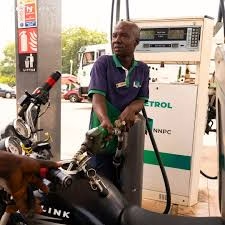

Nigeria is grappling with a sharp rise in fuel prices, even after the commissioning of the Dangote Refinery — Africa’s largest oil refinery which was expected to ease supply pressures and reduce dependence on imports. Petrol prices have surged by about 65% in recent months, marking one of the steepest increases among major African economies. The refinery, with a capacity of up to 650,000 barrels per day, was designed to meet domestic demand and potentially export refined products. However, structural challenges continue to limit its immediate impact.
A key issue is Nigeria’s crude supply constraints. Despite being Africa’s top oil producer, a significant portion of its crude output is tied up in forward-sale agreements and debt repayments to international lenders and oil companies. This reduces the volume available for domestic refining, forcing continued reliance on imports. Global factors have also worsened the situation. Ongoing tensions in the Middle East have disrupted supply chains and pushed international oil prices above $100 per barrel, increasing the cost of refined fuel imports and putting further pressure on local prices.
The impact on citizens has been significant. Transport fares have risen sharply, food prices have spiked due to higher logistics costs, and businesses are facing increased operating expenses. With erratic electricity supply across much of the country, many households and firms rely on fuel-powered generators, making them particularly vulnerable to price hikes. The government, led by President Bola Ahmed Tinubu, has ruled out reinstating fuel subsidies, which were removed in 2023 as part of broader economic reforms. Instead, authorities say they are focusing on long-term market stability, increased local refining capacity, and targeted relief measures to cushion the most vulnerable. Economists warn that without improved crude supply to domestic refineries and stronger currency stability, fuel prices may remain volatile in the near term.