


Zimbabwe has welcomed the return of one of its most important national symbols, “the Zimbabwe Bird,” more than a century after it was taken during colonial rule. The soapstone sculpture, repatriated from South Africa, is the last of several historic bird carvings removed from the ancient city of Great Zimbabwe in the late 19th century. The site, built between the 11th and 15th centuries, is a UNESCO-recognized heritage location and the origin of the country’s name, meaning “house of stone.” Zimbabwean President Emmerson Mnangagwa described the return as “the homecoming of a national icon,” highlighting its cultural and historical importance. The sculpture had been removed by colonial forces, later sold to British imperialist Cecil Rhodes, and eventually ended up in South Africa.
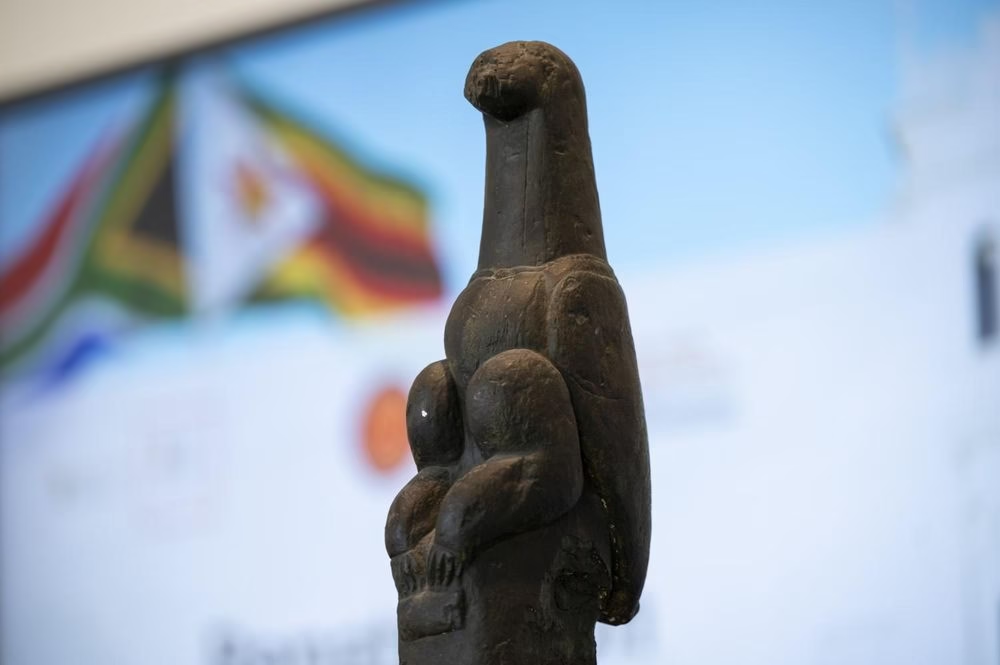
Alongside the artifact, South Africa also returned eight sets of human remains that had been taken from Zimbabwe during the colonial era for scientific study. South African Culture Minister Gayton McKenzie condemned the practice, describing it as a form of “colonial pseudoscience” that treated human bodies as data rather than individuals. The Zimbabwe Bird, carved from grey soapstone, is a powerful national emblem featured on the country’s flag, coat of arms, and currency. Eight such sculptures are known to exist, believed to have been created by ancestors of the Shona people, although their exact origins remain debated among scholars.
Experts say the sculptures are among Zimbabwe’s most significant archaeological treasures. Their return comes amid growing global pressure on former colonial powers to repatriate looted African artifacts and human remains. Most restitutions have come from European nations, making this transfer notable as a rare case of an African country returning heritage items. Zimbabwe continues to seek the return of other historical remains and artifacts, including the skulls of anti-colonial leaders believed to be held in the United Kingdom. The repatriation is being seen as both a cultural milestone and a step toward addressing historical injustices tied to colonial exploitation.


