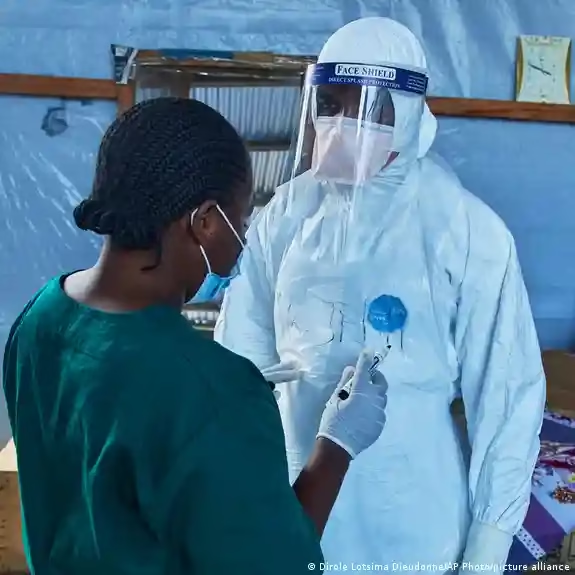

The death toll from the ongoing Ebola outbreak in the Democratic Republic of Congo (DRC) and Uganda has surpassed 1,000, according to the World Health Organization (WHO), as health authorities intensify efforts to contain the deadly virus. The DRC has recorded 2,473 confirmed Ebola cases, including 999 deaths, while neighboring Uganda has reported 20 cases and two deaths. Congo’s health ministry says hundreds of patients remain under medical care or isolation as the response continues. The outbreak was first declared on 15 May in Ituri Province, eastern DRC, after infections caused by the Bundibugyo strain of Ebola virus were detected. The disease has since spread to four additional regions in eastern Congo, with linked cases later reported in Uganda, mainly involving people who crossed the border.
Ugandan authorities say the country has gone three weeks without recording a new Ebola case, raising hopes that containment measures are working. The Bundibugyo strain is a rare form of Ebola that spreads through close contact with infected people or exposure to contaminated bodily fluids. Unlike some other Ebola strains, there is currently no widely approved vaccine or specific licensed treatment for this variant. The WHO declared the outbreak a Public Health Emergency of International Concern in May, warning that the virus had already circulated undetected for several weeks before being identified. WHO officials have described the current outbreak as one of the fastest-moving Ebola emergencies recorded, with transmission accelerating more quickly than previous major outbreaks, including the 2013–2016 West Africa Ebola crisis, which killed more than 11,000 people.
“The outbreak remains ahead of us,” said Thierno Balde, the WHO incident manager for the Bundibugyo virus response in the DRC, while acknowledging that increased surveillance, treatment and isolation efforts have improved the response. Despite the challenges, the WHO says there are signs of progress, with clinical trials underway for potential treatments, a vaccine candidate and post-exposure prevention measures. Health authorities are urging continued vigilance, particularly in border communities, as they work to prevent further spread of the virus across the region.