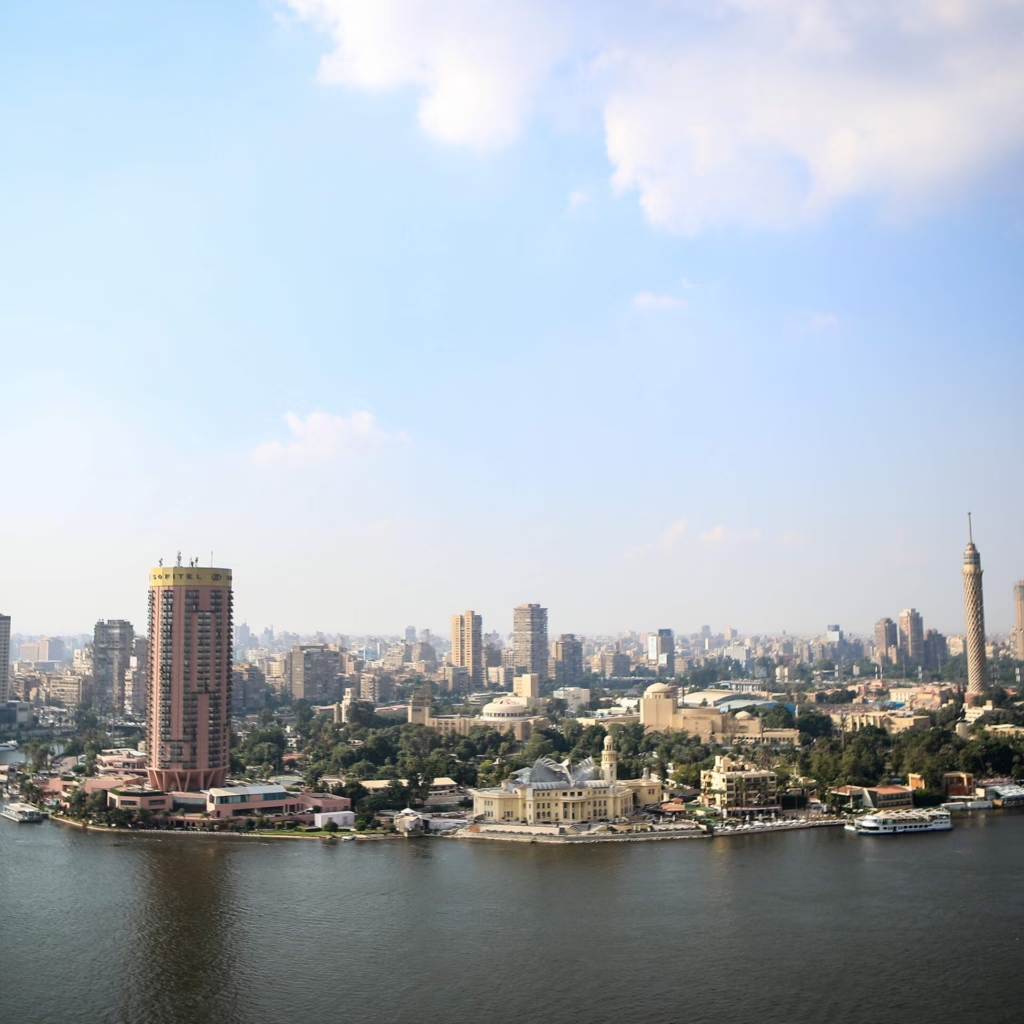

An intense heatwave sweeping across Egypt has disrupted daily life, affected tourism and placed growing pressure on agriculture and the country’s energy supply as temperatures rise above 45 degrees Celsius in some areas. Millions of Egyptians have been seeking relief at the Red Sea and Mediterranean coasts, where beaches, cold drinks and evening outings have become popular escapes from the extreme heat. Vacationer Rania said the heat has forced many people to change their routines, with outdoor activities increasingly moved to later hours. “Most of our outings start in the afternoon till late at night. I drink a lot of water and cold drinks and try to avoid direct sun,” she said. However, many outdoor workers have little choice but to continue working under harsh conditions. Construction worker Aly Gamal in Alexandria said the heat has made daily labour more difficult, despite reduced working hours and additional breaks. “We take more breaks than usual to drink water and rest, but we cannot stop for too long because we still have work to finish,” he said.

Construction companies and other businesses have introduced measures such as shorter shifts, increased rest periods, extra water supplies and shaded areas to protect workers from heat-related risks. Business owner Mohamed Shokr said some workers have been moved to evening shifts to avoid the most dangerous daytime temperatures. The extreme weather is also affecting Egypt’s economy. Rising electricity demand during the summer has forced the government to increase energy imports to maintain power supplies, adding pressure on public finances. The tourism sector has also suffered, with fewer visitors at open-air archaeological attractions in destinations such as Luxor, Aswan and Cairo, where high temperatures have made sightseeing more difficult.
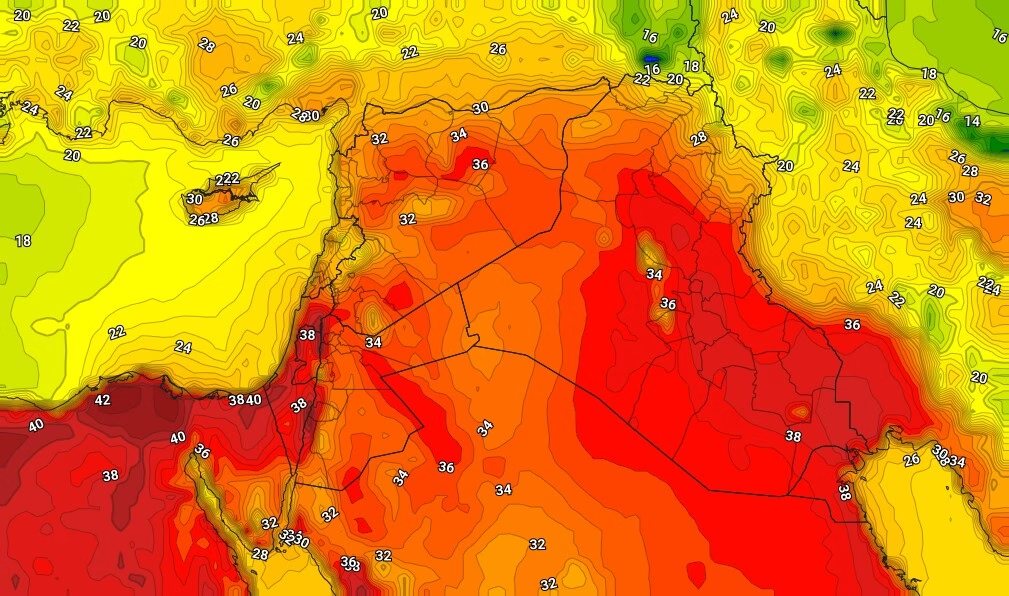
Agriculture is facing similar challenges. Heat stress is affecting the production of major crops including wheat, rice, fruits and vegetables, raising concerns about food prices and inflation. Financial analyst Hossam Al-Ghaish warned that reduced agricultural output could increase costs for consumers, particularly low-income households. “Lower productivity means less income for the state and adds more pressure on the national budget,” he said. Egyptian authorities have responded by adjusting government working hours, encouraging energy conservation and expanding renewable energy projects to reduce pressure on the power grid. Experts say recurring heatwaves are becoming a growing challenge for Egypt, requiring long-term investments in climate adaptation, water management and sustainable energy solutions.