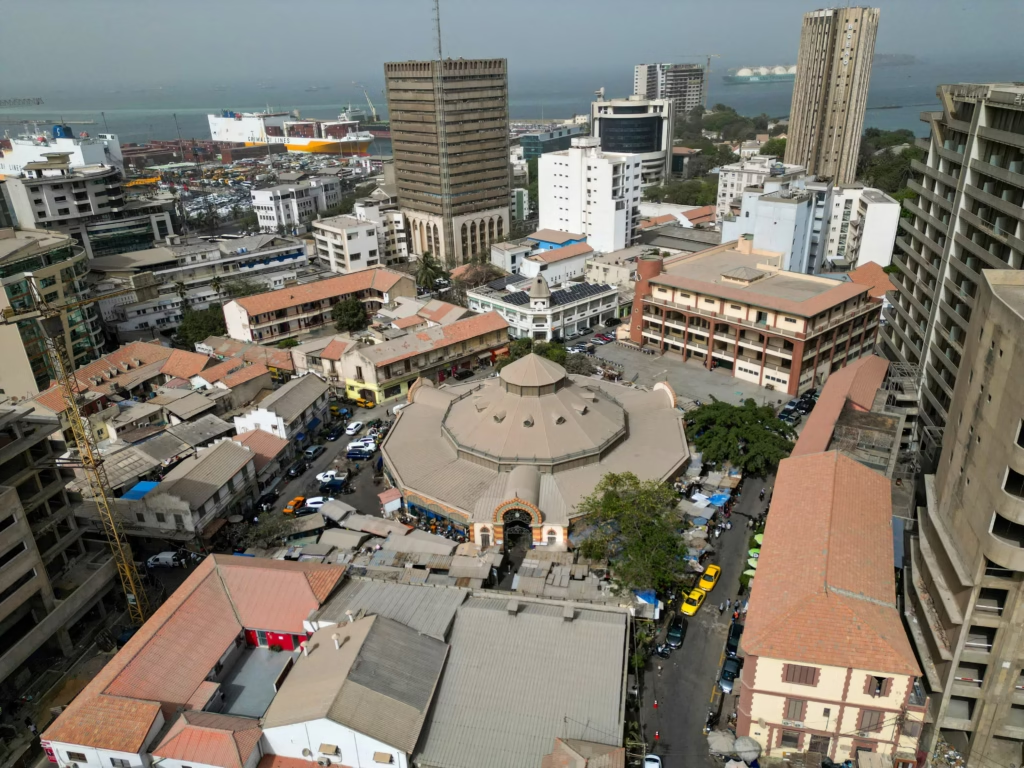

A new study under the African Urban Sanitation Investment Initiative (AUSII) has revealed that Senegal’s annual sanitation investment needs could more than double by 2050, rising to an estimated $1.3 billion as urban populations and infrastructure demands continue to grow. The findings were presented in Dakar during the launch of a new programmatic approach aimed at transforming the country’s sanitation sector and attracting greater private-sector participation. According to the report, Senegal’s sanitation market, covering sewer networks, autonomous sanitation systems, sludge treatment and decentralized infrastructure is expected to expand rapidly in the coming decades. Off-grid sanitation services and circular economy solutions were highlighted as key investment opportunities.
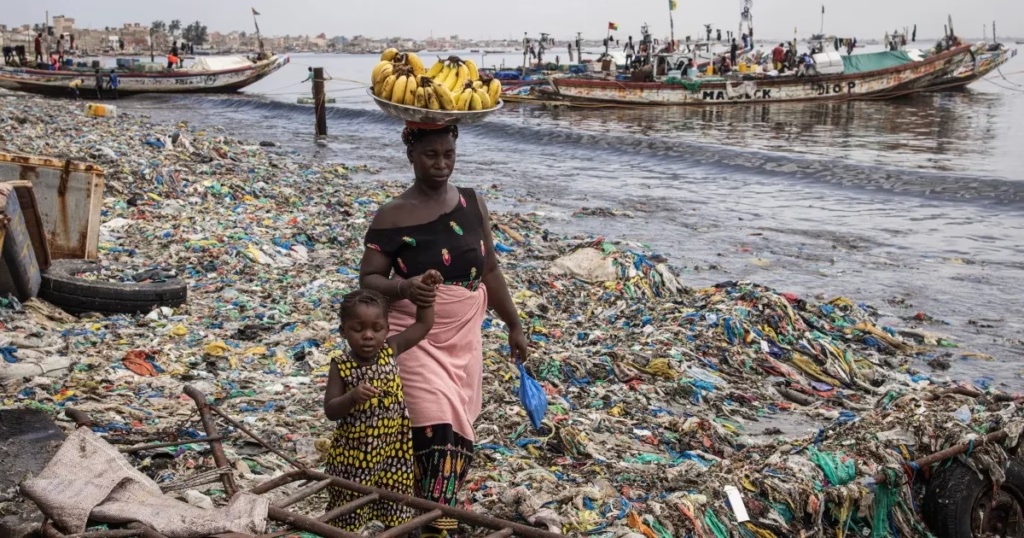
The study noted that nearly two-thirds of urban households in Senegal still rely on autonomous sanitation systems such as septic tanks and latrines, making the off-grid sector the largest driver of future growth. Government officials said Senegal plans to leverage the findings to attract investment through public-private partnerships, guarantee funds, climate financing, and blended finance models. Authorities acknowledged that the sector continues to face major challenges, including fragmented regulations, overlapping institutional responsibilities, and chronic underfunding. Currently, sanitation receives less than one percent of Senegal’s national budget.
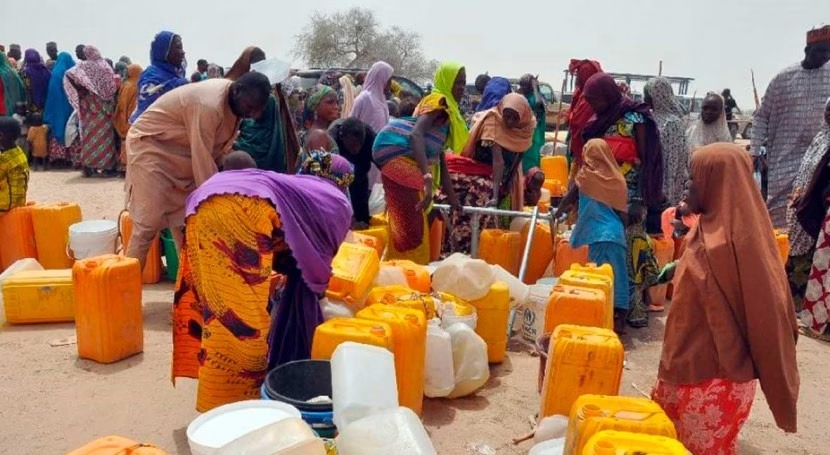
Several reforms are already underway, including updates to the country’s Sanitation and Water Codes. Officials also highlighted strategic infrastructure projects such as the Tivaouane Peulh wastewater treatment plant, designed to support wastewater reuse, irrigation, and groundwater recharge. Another initiative, the Project to Support the Renewal of Vacuum Trucks (PARC), is expected to create or sustain nearly 900 direct jobs within the sanitation value chain. Through AUSII, Senegal aims to develop investment-ready sanitation projects capable of drawing large-scale financing while positioning urban sanitation as a critical driver of public health, environmental sustainability, and economic growth.