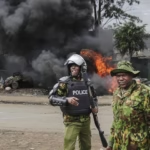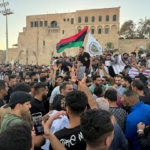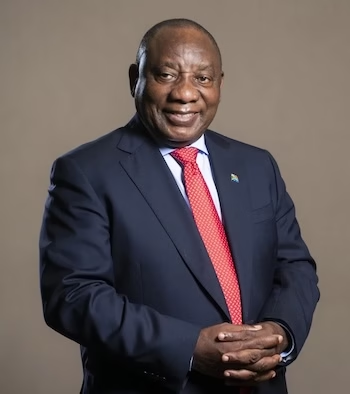

Ghana has postponed the planned August visit of South African President Cyril Ramaphosa following escalating diplomatic tensions triggered by anti-foreigner protests in South Africa that have forced hundreds of Ghanaians to return home. Government spokesperson Felix Kwakye Ofosu confirmed that Accra formally requested the postponement, saying the current climate surrounding xenophobic attacks made it inappropriate for the visit to proceed. “We sent them a communication indicating that it would be best to defer the visit in view of the present climate around xenophobia,” he said.
The visit, originally scheduled for the first week of August, was expected to strengthen bilateral relations and ease growing tensions between the two countries. However, concerns mounted in Ghana that President Ramaphosa’s arrival could spark public demonstrations. South Africa maintained that relations between the two countries remain strong. Presidential spokesperson Vincent Magwenya said Pretoria remains committed to deepening cooperation with Ghana and that both governments will use diplomatic channels to agree on a new date. He also clarified that South Africa considers the planned engagement the third bilateral meeting between the two leaders rather than a formal state visit.
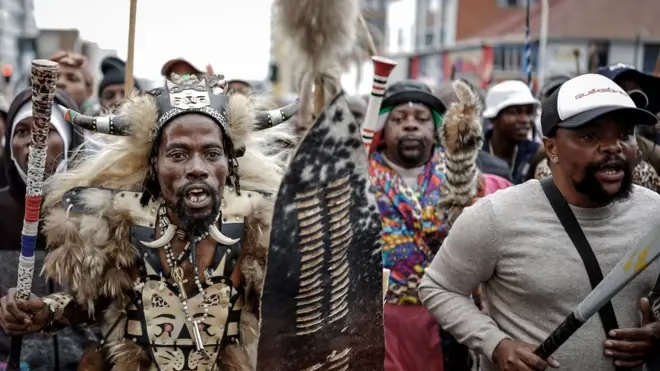
Relations between Accra and Pretoria deteriorated after a viral video showed a Ghanaian national, Emmanuel Asamoah, being verbally abused and told to “go fix his country” during anti-foreigner demonstrations in South Africa. The unrest has prompted Ghana to repatriate more than 900 citizens, with another group expected to return in the coming weeks. Other African countries, including Nigeria, Kenya and Malawi, have also evacuated citizens as anti-immigration protests intensified. Protest groups had demanded that undocumented migrants leave South Africa by 30 June, with thousands reportedly returning to their home countries. The diplomatic dispute deepened after Ghana condemned the reported killing of Ghanaian national Bahiru Isak during protests in Cape Town. South African authorities rejected the claim, stating no such incident occurred and identifying Kwabena Boagen as the only Ghanaian who died during the period, insisting his death was unrelated to the demonstrations.
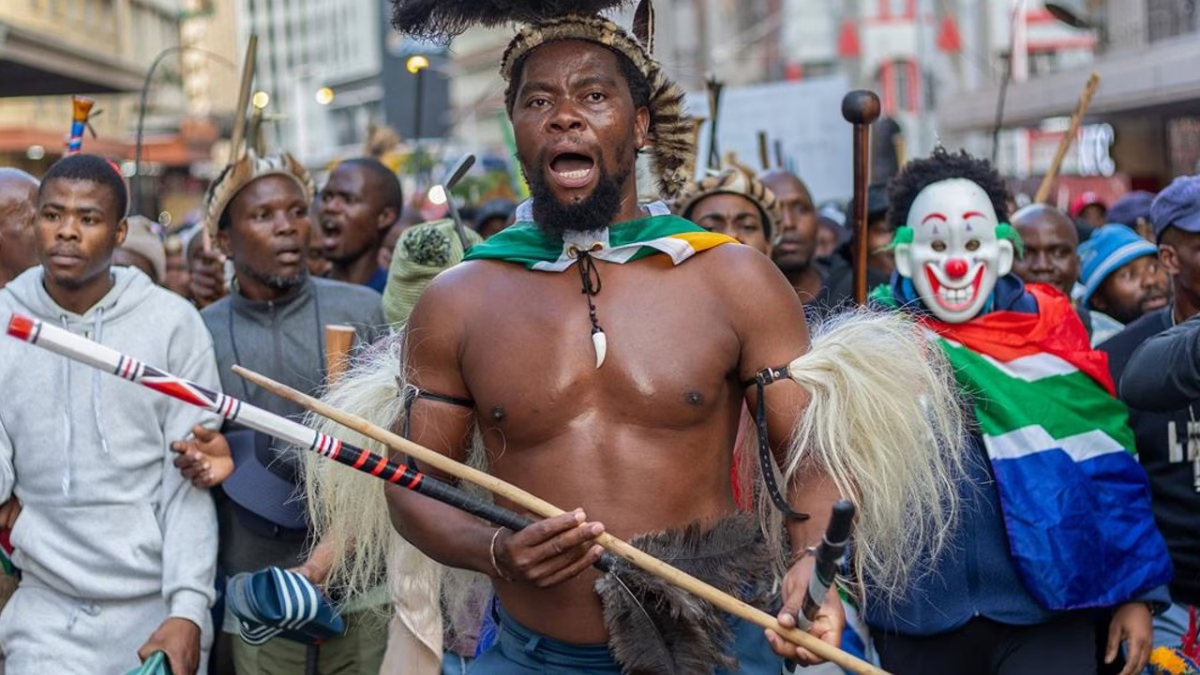
South Africa’s Justice Ministry accused Ghana of spreading inaccurate information, while both governments remain divided over the immigration status of many Ghanaian nationals living in South Africa. Ghana maintains that most affected citizens possessed valid residency documents, a claim disputed by Pretoria. In May, Ghana petitioned the African Union to investigate recurring xenophobic attacks in South Africa, arguing that such violence undermines African unity and the principles of the African Continental Free Trade Area. The latest dispute has renewed concerns about South Africa’s recurring outbreaks of xenophobic violence, which have repeatedly strained relations with African neighbours and raised questions about the country’s commitment to regional integration.