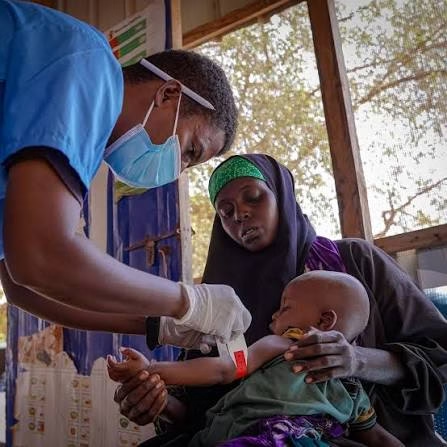

Doctors Without Borders (MSF) is warning of a worsening humanitarian crisis in Somalia, where drought, food insecurity and shrinking aid are pushing vulnerable families deeper into hardship. In Baidoa, in Somalia’s Southwest State, MSF says its teams screened more than 21,000 children under five this year, with acute malnutrition affecting around half of those assessed. The organization has expanded nutrition services as more severely malnourished children require treatment. The crisis is being driven by prolonged drought, conflict, displacement and reduced humanitarian assistance. MSF says its teams screened 17,133 people for malnutrition in January and February alone and admitted 4,564 children with severe malnutrition to therapeutic feeding centers. The organization also distributed more than 32 million litres of safe water during the first two months of the year.
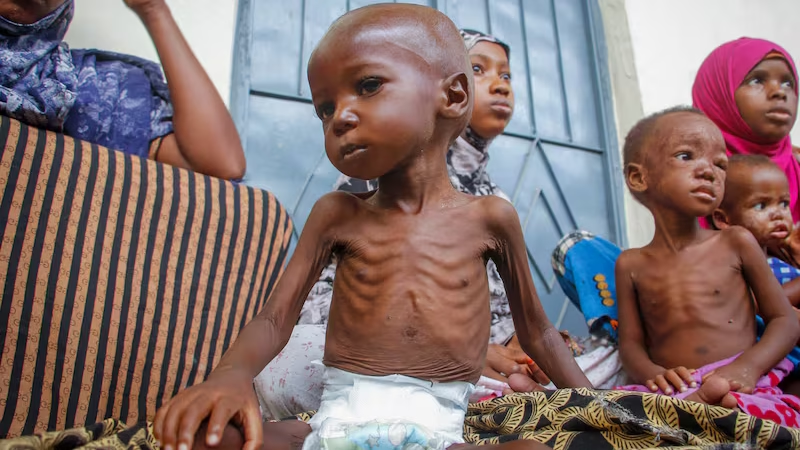
The United Nations estimates that about 6 million Somalis faced crisis-level hunger or worse between April and June, while approximately 1.9 million children were affected by acute malnutrition. UN agencies have also warned of a possible famine risk in parts of Southwest State. Humanitarian funding remains a major concern. Somalia’s 2026 humanitarian response plan seeks $852 million to assist 2.4 million people, but funding has remained far below requirements. The UN says nearly 90% of people in need are receiving little or no humanitarian support in the most affected areas. MSF says the combination of rising needs and reduced assistance is placing additional pressure on an already fragile health system. Without increased international support, aid agencies warn that hunger, malnutrition and preventable deaths could worsen.