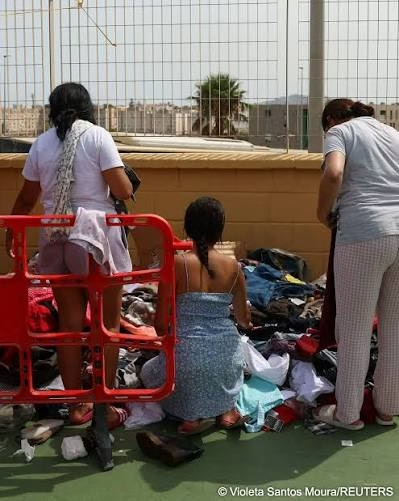

Spanish prosecutors have recorded 23 sexual assault cases involving migrants in Ceuta since the mass arrival from Morocco on July 30, with nine of the victims aged between 14 and 17. Five of the reported cases are being investigated as rape, while prosecutors have identified eight suspected perpetrators, four Moroccan nationals, three Spaniards and one Belgian. The investigation into the remaining cases is continuing. Ceuta’s chief prosecutor, Silvia Rojas, said the figures amount to almost one reported sexual assault a day since the crisis began. She warned that migrant women and girls are particularly vulnerable because many lack secure legal status and access to stable accommodation and protection.
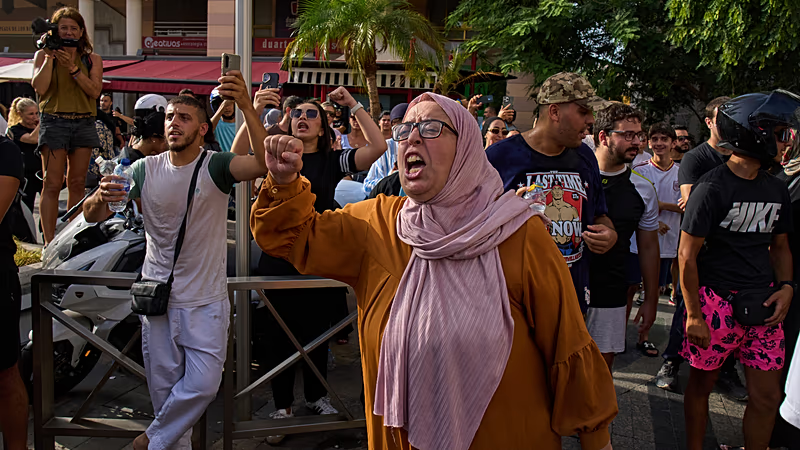
The figures come after an estimated 70,000–80,000 people crossed irregularly from Morocco into the Spanish enclave at the end of July. Most have since returned or been transferred, but thousands remain, including a large number of unaccompanied minors. Spanish authorities say the crisis has placed severe pressure on Ceuta’s already limited accommodation, healthcare and child-protection services. Officials estimate that between 1,400 and 1,600 minors remain in the territory, far exceeding the city’s normal capacity. The Spanish government has expanded support for victims, including access to medical, psychological and legal assistance. Nine minor victims have been receiving care at a 24-hour crisis center, with officials seeking to keep them there until safe alternatives are available.
The crisis has also intensified political tensions. Prime Minister Pedro Sánchez has faced criticism over the government’s handling of the influx, while authorities have urged calm amid growing friction between migrants and some local residents. The situation has further complicated Spain’s already sensitive relationship with Morocco, which claims sovereignty over Ceuta and neighboring Melilla. Madrid is also considering a visit by King Felipe VI to Ceuta, a move that could carry diplomatic significance given the territories’ disputed status. As authorities work to process migrants and protect vulnerable people, prosecutors and humanitarian officials say the immediate priority remains safeguarding women and children while preventing further violence and social unrest.