
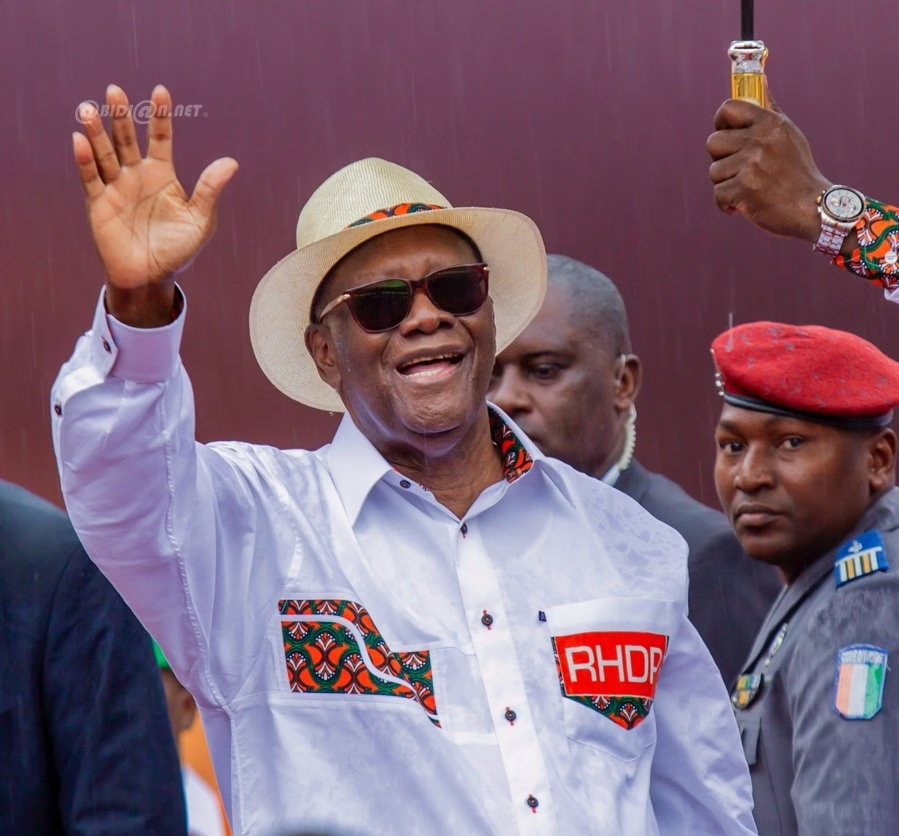

Ivory Coast’s President Alassane Ouattara has secured a fourth term in office, winning a landslide 89.77% of the vote in Saturday’s presidential election, according to provisional results announced by the Independent Electoral Commission on Monday. The election was marked by historically low turnout and the absence of major opposition figures. Ouattara, 83, extends his rule beyond 14 years, consolidating his position as one of West Africa’s longest-serving leaders. His main challengers former Commerce Minister Jean-Louis Billon and former First Lady Simone Gbagbo trailed far behind with 3% and 2.4% of the vote respectively. Both conceded defeat and congratulated the president, helping to avert post-election violence that has plagued past contests, including the deadly 2010 crisis that left over 3,000 people dead.
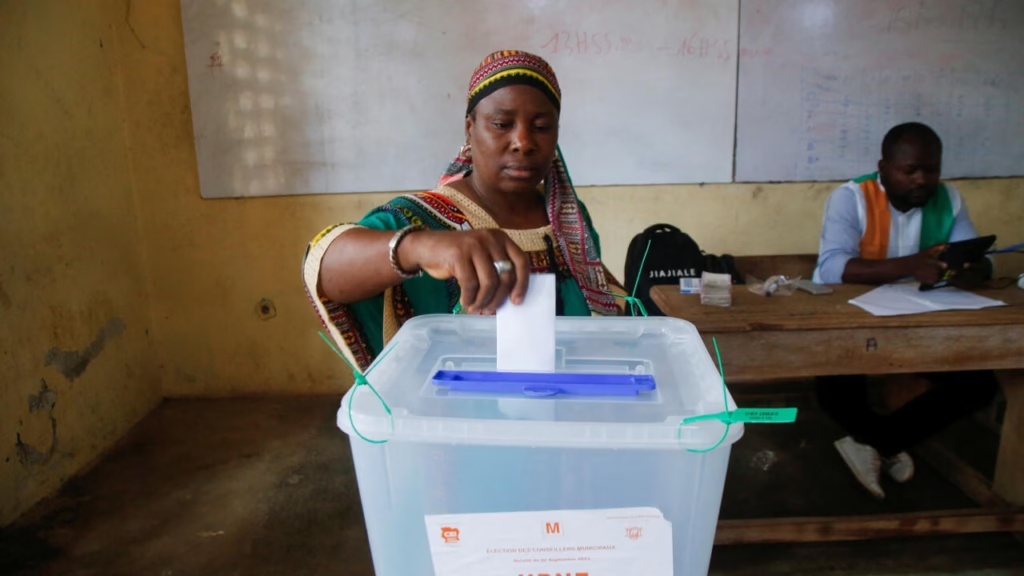
A muted contest and voter apathy
The election was largely seen as a one-sided affair after key political figures, including former president Laurent Gbagbo and former finance minister Tidjane Thiam, were barred from running due to legal and administrative issues. Their exclusion weakened the opposition, dampening enthusiasm among voters — turnout stood at just 50%, one of the lowest in the country’s history. “There was no reason to vote. The outcome was already decided,” said Koffi Kouamé, a resident of Abidjan, expressing frustration over what many view as a managed electoral process.
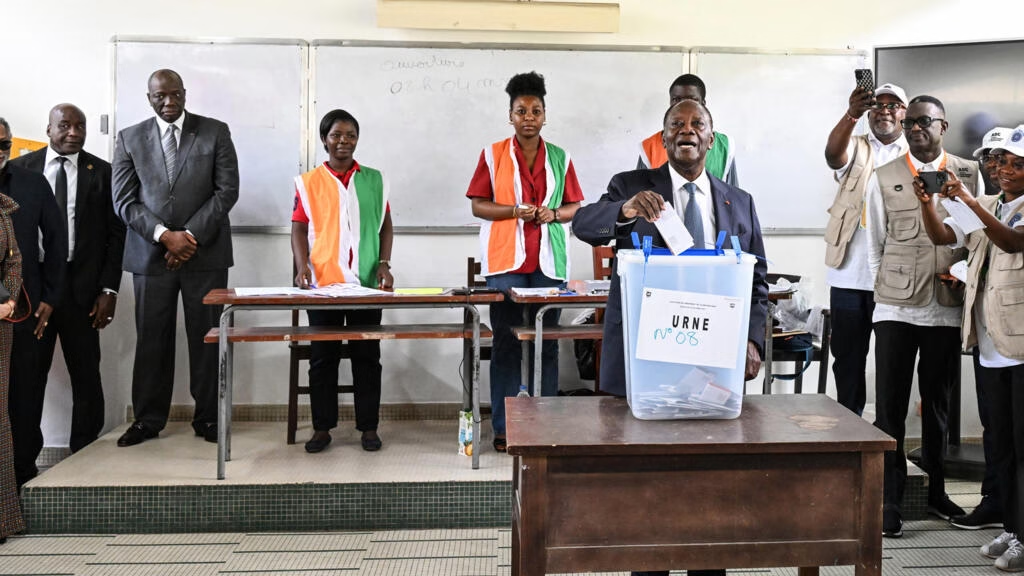
Stability and succession concerns
Ouattara, who first came to power in 2011, has presided over strong economic growth, with Ivory Coast becoming one of Africa’s fastest growing economies and the world’s largest cocoa producer. However, his decision to seek a fourth term made possible by a controversial constitutional interpretation has fueled concerns about democratic backsliding in the region. Analysts say Ouattara’s overwhelming victory underscores the dominance of his Rally of Houphouëtists for Democracy and Peace (RHDP) party but also exposes a looming succession dilemma. With no clear heir apparent, questions persist about the country’s political future once Ouattara eventually steps down. Despite the controversy, Ouattara vowed to “pursue peace, unity, and continued development,” pledging to strengthen youth employment and national reconciliation during his new term.


