As Muslims across Algeria observe Ramadan with prayer, fasting and evening family meals, many households are grappling with a pressing concern: how to afford traditional iftar feasts amid soaring food prices and shrinking purchasing power. Despite Algeria’s vast oil and gas wealth, living costs have climbed steadily in recent years, pushing more families toward the poverty line. Ramadan, a sacred month for the world’s 1.8 billion Muslims, is typically marked by generous spreads after sunset. But staples such as meat, vegetables and fruit have become increasingly expensive, with price hikes in local markets sometimes sparking tensions.

President Abdelmadjid Tebboune has pledged measures to ease the burden. During a Cabinet meeting focused on Ramadan supplies, he promised that “all conditions must be guaranteed” for citizens to observe the holy month in peace. The government announced plans to import 144,000 sheep and 46,000 cattle to stabilize meat prices. Local delicacies such as mutton from the High Plateaus and young cattle from the Kabyle mountains once staples of middle-class tables are now beyond the reach of many. Authorities have also launched a crackdown on price speculation, though its impact has been limited.
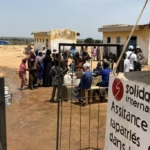
Civil society groups are stepping in. Across Algiers and other cities, restaurant owners and volunteers are converting eateries into “mercy restaurants,” offering free iftar meals to struggling families. Official figures place the average monthly salary at 42,800 dinars, though it is worth significantly less on the informal market highlighting the strain many Algerians face as they strive to maintain Ramadan traditions during economic hardship.