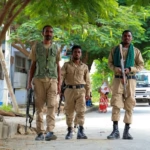
The World Health Organization (WHO) has warned that Africa is facing a more complex Ebola outbreak after Nigeria confirmed an imported case of the virus, raising concerns about its spread across the continent. WHO Africa Regional Director Mohamed Janabi said on Thursday that Nigeria’s confirmation marked a significant development in the outbreak, which has affected several African countries. Nigerian authorities announced on Tuesday that a woman who had travelled from Uganda tested positive for the Bundibugyo strain of Ebola. The patient was reported to be a diplomat, making Nigeria the fourth African country affected by the current outbreak, according to the information provided by health authorities.
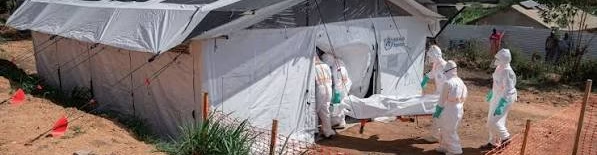
The development has renewed concerns about the potential for wider transmission, particularly given Nigeria’s large population and extensive regional travel links. However, the country has experience containing Ebola, having successfully controlled an outbreak in 2014 through contact tracing, isolation and public health measures. The current outbreak has been especially severe in the Democratic Republic of Congo (DR Congo), where health authorities have reported thousands of deaths and more than 9,000 confirmed cases since mid-May. Kenya has also reported cases since October, adding to concerns about the geographical spread of the virus.
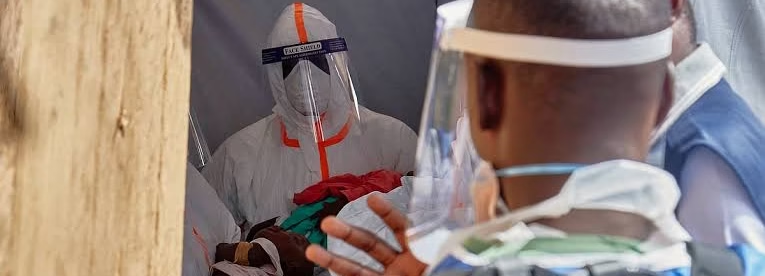
The Bundibugyo strain presents a particular challenge because there is currently no licensed vaccine or specific approved treatment for it. Researchers are testing whether Ervebo, a vaccine approved for the Zaire strain of Ebola, can also offer protection against Bundibugyo. The WHO previously announced that 70,000 doses of Ervebo had been allocated for use in DR Congo. About 50,000 doses were intended for frontline and healthcare workers, while another 20,000 were designated for a clinical trial. Health authorities are continuing surveillance and response efforts as they work to identify cases, trace contacts and limit further transmission. The WHO has stressed the need for coordinated action across borders as countries respond to the evolving outbreak. The 2014–2016 West African Ebola epidemic killed more than 11,000 people, underscoring the importance of early detection, effective public health measures and international cooperation in containing the disease.