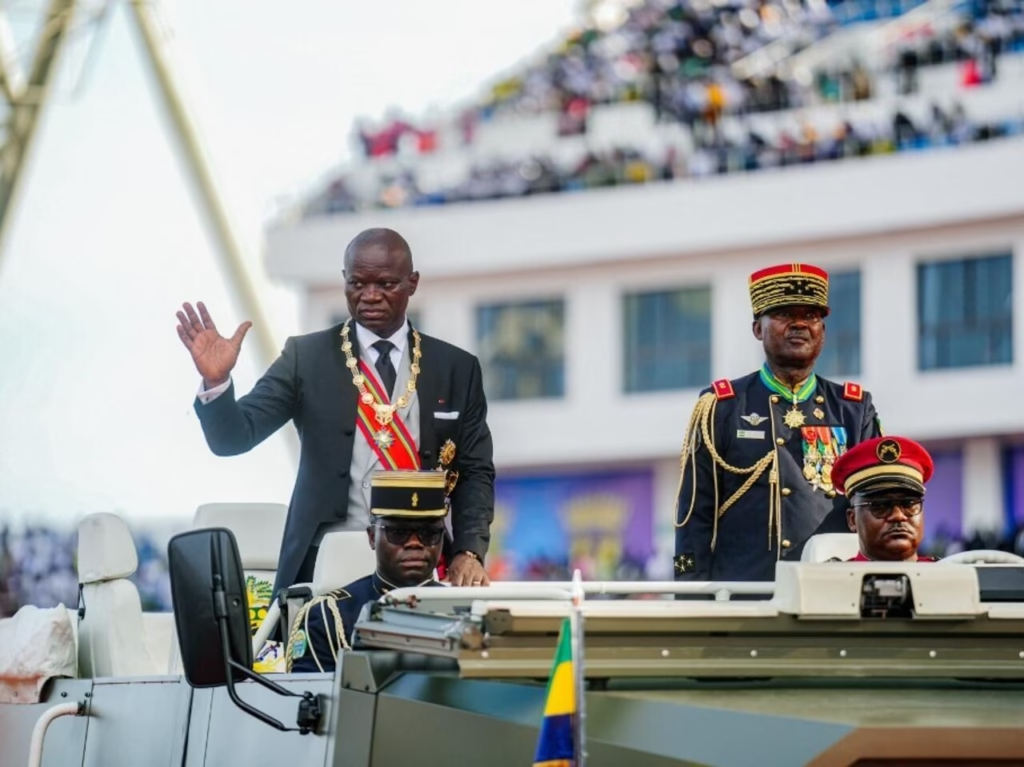

Gabon is entering a pivotal stage in its democratic transition as the country prepares for legislative and local elections following Brice Oligui Nguema’s presidential win in April. The elections, scheduled for September 27 and October 11, come just over a year after the August 2023 coup that ended more than five decades of Bongo family rule. President Oligui Nguema’s victory earlier this year was widely seen as a decisive break from the past, and these polls are expected to test both his party’s strength and Gabon’s new political landscape.
Interior Minister Hermann Immongault formally launched the campaign at a press conference on September 17, noting the unprecedented energy surrounding the process. “Never in the memory of Gabonese people have elections generated such enthusiasm,” he said. Nearly 1,600 candidates are competing for 145 parliamentary seats, while about 17,000 others are running for positions in municipal and departmental councils. Those elected at the local level will later select mayors, heads of departmental assemblies, and senators through indirect voting.
Over 20 political parties are taking part, including the ruling UDB party led by President Oligui Nguema, and the once-dominant PDG founded by former president Omar Bongo. Observers say the elections are critical to consolidating Gabon’s transition and rebuilding institutions after years of political turmoil. Many see them as the first real opportunity for broader participation in shaping the country’s future.