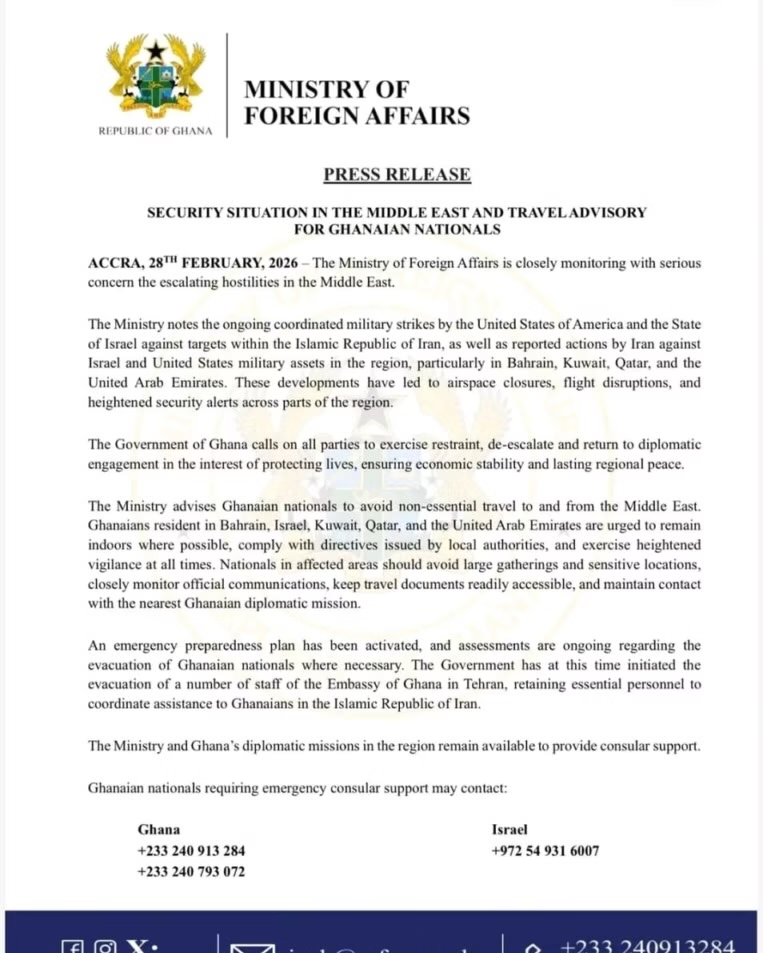
Ghana has activated an emergency preparedness plan and begun a partial evacuation of its embassy in Tehran following joint United States–Israel military strikes on Iran on February 28, 2026, and subsequent retaliatory missile launches across the Gulf. In a statement, Ghana’s Ministry of Foreign Affairs said it is closely monitoring developments and assessing whether wider evacuations of Ghanaian nationals will be necessary. Several embassy staff have been withdrawn from Tehran, while a reduced team remains to coordinate consular support and emergency assistance.

Accra advised Ghanaians in affected countries; Bahrain, Kuwait, Qatar, United Arab Emirates, and Israel to stay indoors, avoid large gatherings and sensitive locations, follow local security instructions, and remain in contact with Ghanaian missions. Non-essential travel to and from the Middle East has been discouraged. Explosions were reported in central Tehran after the strikes, which followed a significant U.S. military buildup, including the deployment of the USS Gerald R. Ford strike group. Iran’s response reportedly targeted U.S. assets across the Gulf, prompting shelter-in-place advisories from American missions in the UAE and heightened alerts in Qatar, home to the Al-Udeid Air Base. This is Ghana’s second major evacuation linked to Iran–Israel tensions. In June 2025, Accra temporarily closed its Tehran embassy and evacuated nationals to Turkey amid earlier hostilities. Authorities say contingency planning remains ongoing as the situation evolves.