
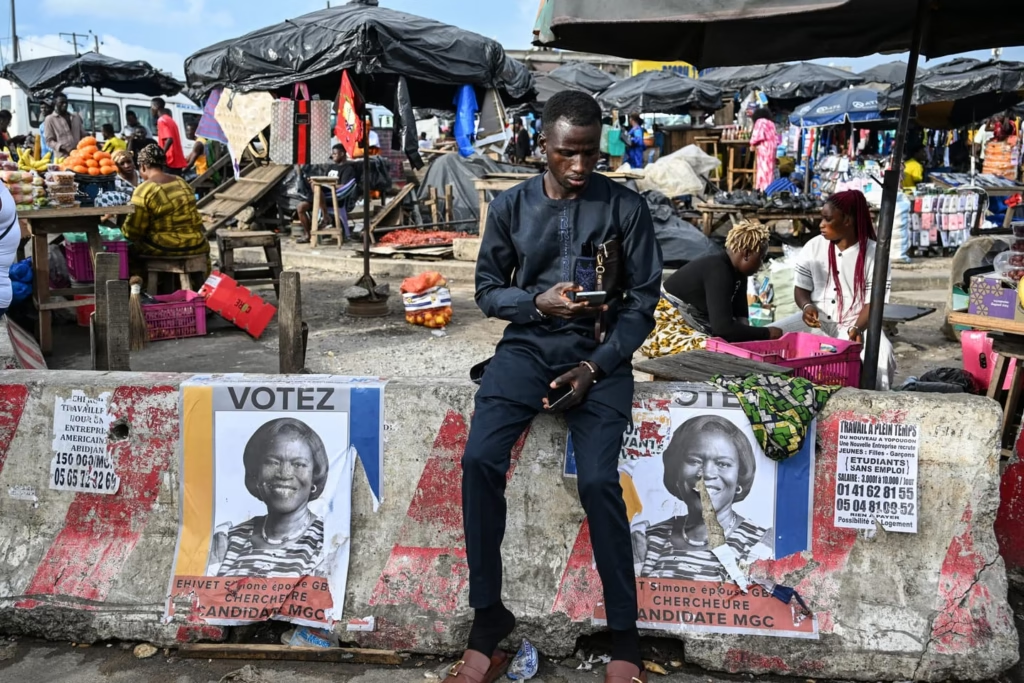

In the bustling streets of Abidjan, slam poet Placide Konan has become the voice of frustration for many young Ivorians. The 33-year-old performer uses his art to challenge President Alassane Ouattara’s controversial bid for a fourth term in Saturday’s presidential election, a race overshadowed by inequality, fear, and fading hope. Despite being one of West Africa’s fastest growing economies and the world’s top cocoa producer, Côte d’Ivoire continues to grapple with deep social divides. The World Bank says 37.5% of Ivorians still live below the poverty line, and over three-quarters of the population is under 35, most struggling to find stable work. “People can barely make ends meet,” Konan told the Associated Press, his words echoing the frustration of a generation that feels left out of the country’s economic boom.
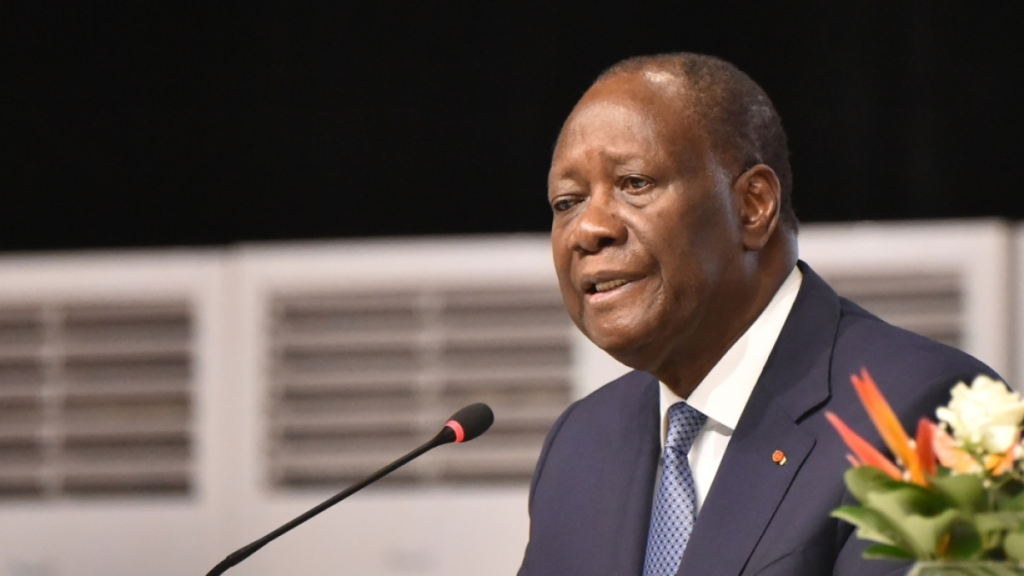
Ouattara’s Controversial Bid
At 83, Ouattara is widely expected to win another term, having first come to power in 2011 after a bloody post-election conflict that left 3,000 people dead. His critics say he’s clinging to power through constitutional loopholes — a charge the president denies. Ouattara argues that his experience is needed to steer the country through what he calls “unprecedented security and economic challenges.” At a recent rally, he promised to “continue creating opportunities for youth and strengthening national unity.”
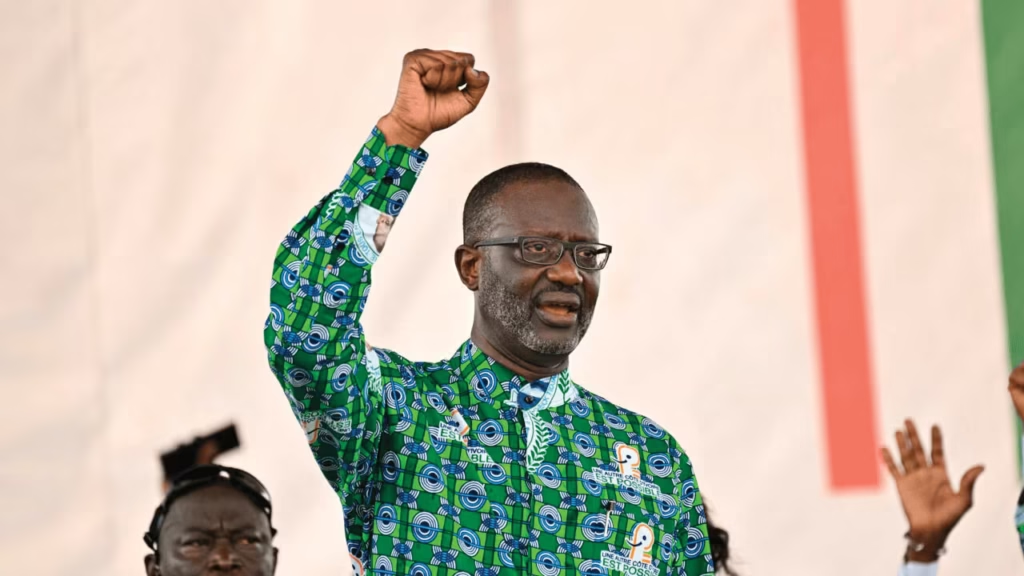
Weakened Opposition
Key opposition figures have been barred from running, including former Credit Suisse CEO Tidjane Thiam, disqualified for holding dual Ivorian-French citizenship. Thiam, who renounced his French nationality in March, called the ruling “abusive.” That leaves a weakened field of just four opposition candidates, among them ex-Trade Minister Jean-Louis Billon and former First Lady Simone Gbagbo. Many Ivorians see the race as tilted in Ouattara’s favor, with the Constitutional Council accused of bias toward the ruling RHDP party.
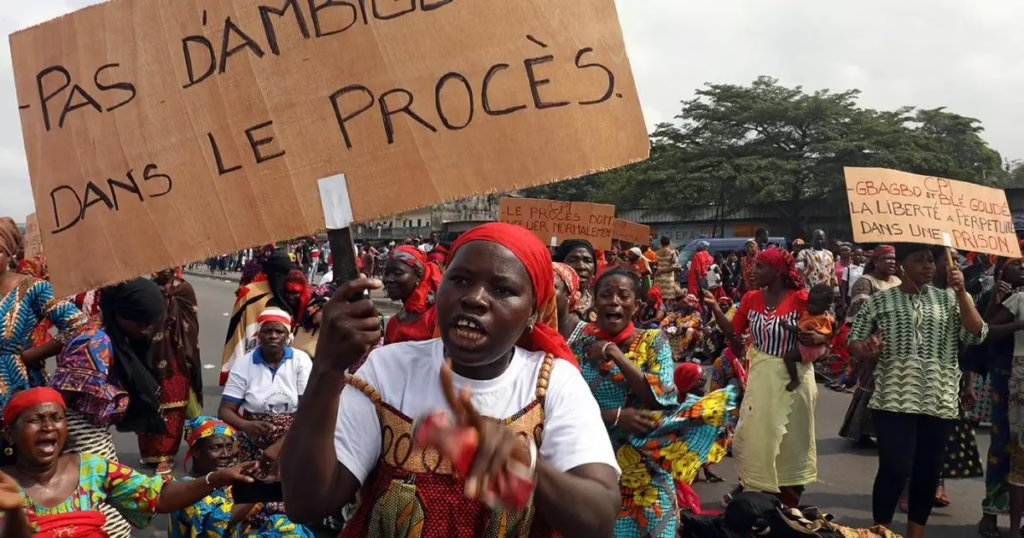
Protests and Crackdowns
With 8.7 million voters registered, the campaign season has been marred by violent protests. Authorities have arrested hundreds of demonstrators and banned public gatherings, citing national security. At least three people have been killed, according to rights groups. The government has deployed over 40,000 security officers across the country, vowing to maintain order. But critics argue the clampdown reflects the administration’s growing intolerance for dissent.
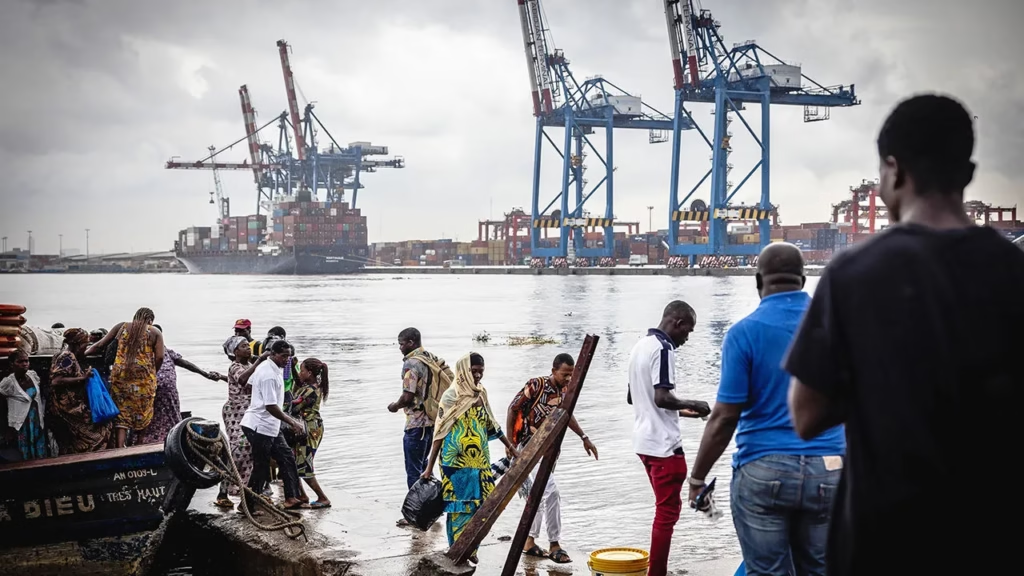
Economic Strength, Social Strain
Supporters credit Ouattara with turning Côte d’Ivoire into a regional success story. The economy grew by 6% in 2024, buoyed by foreign investment and massive infrastructure projects, from rural road expansion to a new suburban railway in Abidjan. “If you left for a few years and came back now, you wouldn’t recognize your neighborhood,” said Assita Karamoko, a hairdresser and Ouattara supporter. But for many, that growth has not translated into better living conditions. “It’s still very hard to turn that growth into jobs for young people,” said Paul Melly of Chatham House’s Africa Programme.
Fragile Security in the North
Côte d’Ivoire’s northern border with Mali and Burkina Faso — both ruled by military juntas battling Islamist insurgencies — has become a growing concern. Analysts warn that militant groups could push toward the coast, threatening regional stability. “The security situation in the north is fragile,” Melly said. “The Ivorian army is strong, but it’s being tested by the chaos around it.” As the election nears, voices like Konan’s remind the world that beyond the statistics lies a generation demanding change. “Poetry is my protest,” he said. “When words can no longer move the powerful, at least they can awaken the people.”


