
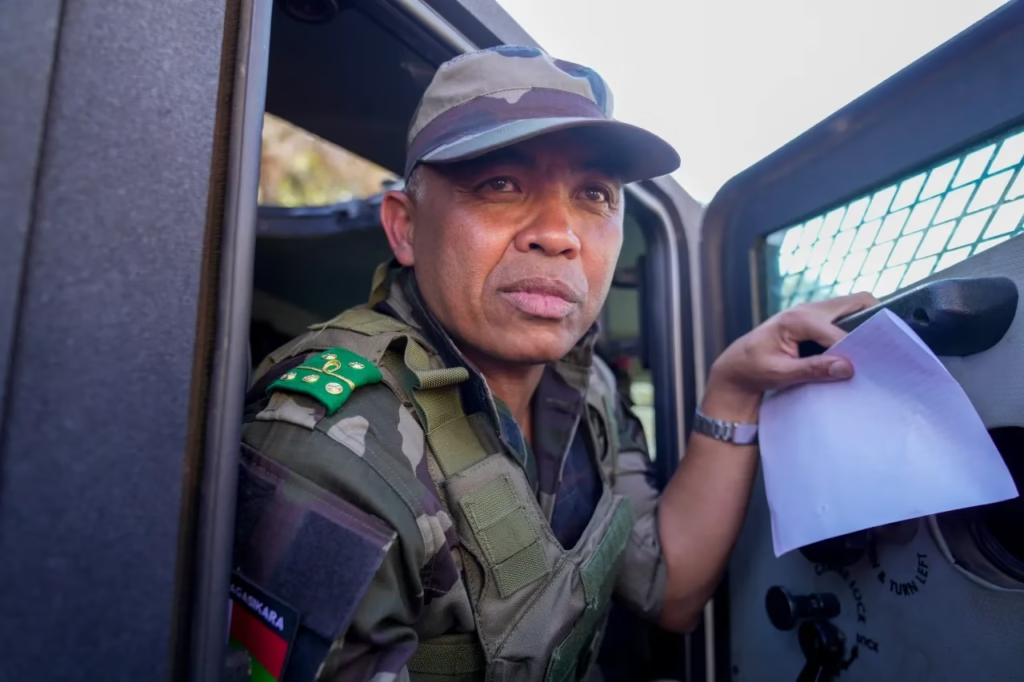

For 20-year-old accounting student Donah Falia, the military takeover that toppled Madagascar’s president last week has changed little in his daily life. The water still runs only at night if at all and jobs remain scarce. “For us, there is no answer yet. I still don’t see any hope,” Falia said from his home in Antananarivo, where residents line up for hours to fetch water from community tanks. The coup, led by Col. Michael Randrianirina, ended the rule of Andry Rajoelina, Madagascar’s twice-elected leader and a former coup beneficiary himself. Randrianirina, backed by the powerful CAPSAT military unit, seized control after months of youth-led protests over unemployment, poverty, and chronic power and water shortages.
The demonstrations, which began in September, drew thousands into the streets of major cities. According to the United Nations, at least 22 people were killed and more than 100 injured in clashes with security forces. When the CAPSAT unit sided with the protesters earlier this month, Rajoelina fled the country, calling the takeover “illegal.” Madagascar’s 30 million citizens have seen this pattern before the country has endured multiple coups and political crises since independence from France in 1960. Many initially welcomed Randrianirina’s move, hoping it would usher in reforms and relief from grinding hardship.
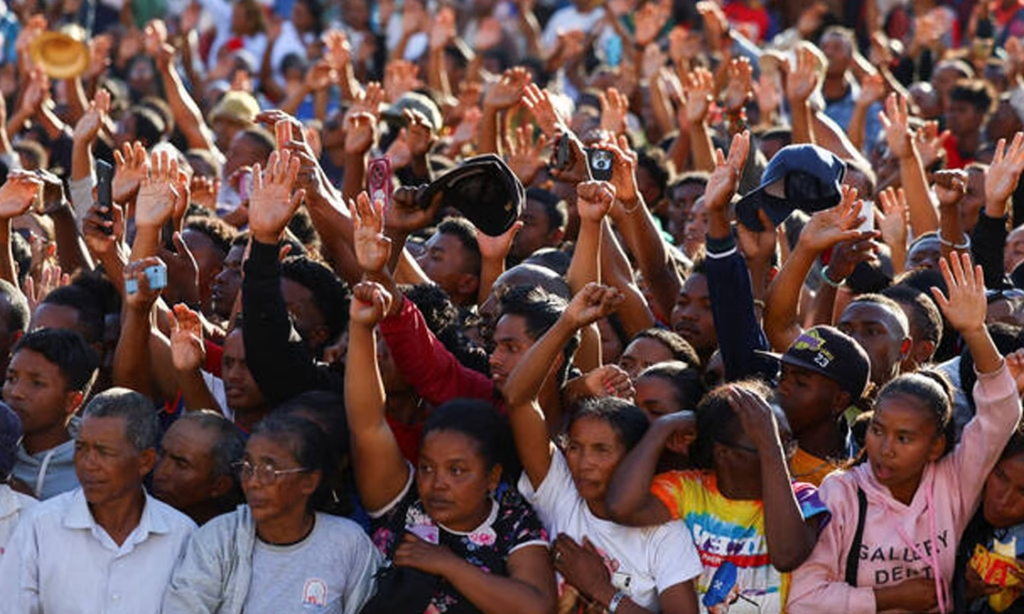
In his first national address, Randrianirina said the voices of young people must shape the country’s future. “We must take the opinion of the youth to the politicians and all the power groups,” he declared. Protesters like Tsantsa Fiderana Rakotoarison, 22, remain cautiously optimistic. “Even though the military took charge, they know young people can speak up again,” he said. But others, including Falia, worry that their sacrifices might once again be forgotten. “We wanted the people to choose their new leader,” he said. “Our demands have not been met — there is still no electricity, and water is still not available.” Civic groups and youth leaders have warned they will return to May 13th Square — the symbolic heart of the protest movement — if the new government fails to improve living conditions soon. Veteran activist Farasoa Rakotomanana, 63, said he was relieved that, unlike the 2009 coup that brought Rajoelina to power, this transition has not yet descended into chaos. “But if things don’t change,” he cautioned, “the people will rise again.”


