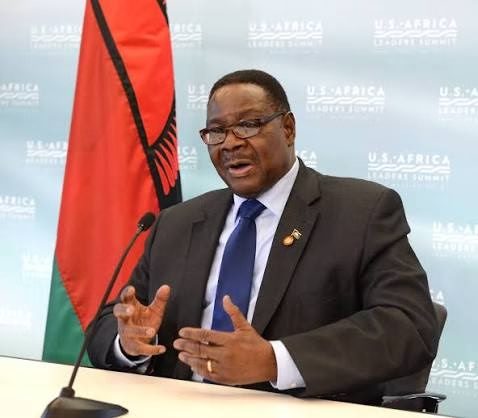

Malawi’s opposition has called on the government to explain President Peter Mutharika’s prolonged stay in South Africa as the country faces fuel shortages, power cuts, limited access to medicines and a worsening foreign currency crisis. The 86-year-old president left Malawi on October 6 for what officials described as a private visit. It is reportedly his fifth trip to South Africa this year, with limited public information about the purpose of his visits. On Thursday, Malawi Congress Party (MCP) campaign director Moses Kunkuyu urged Vice-President Jane Ansah to address the nation and reassure citizens that the country’s affairs were being managed effectively. “The issue is that people are suffering and want reassurance that somebody is in charge,” Kunkuyu told journalists in the capital, Lilongwe.
The opposition said the government needed to explain how it planned to tackle persistent fuel shortages, electricity blackouts, medicine shortages in public hospitals and difficulties obtaining foreign currency. Information Minister Shadric Namalomba rejected suggestions that the president’s absence had created a leadership vacuum, insisting that Mutharika remained in control of government affairs. He declined to disclose details of the trip, saying it was private, and accused the opposition of exploiting problems inherited from its previous administration. Mutharika returned to power in October 2025 after defeating former president Lazarus Chakwera. He previously led Malawi from 2014 to 2020.
His absence has drawn further attention after the government dismissed social media reports that he had travelled to India for medical treatment. Chief Secretary to the Government Justin Saidi said the president remained in South Africa and urged the public not to circulate unverified claims. On Thursday, Mutharika delegated the trade minister to lead Malawi’s delegation to a Common Market for Eastern and Southern Africa (COMESA) summit in Zimbabwe. Malawi’s economic difficulties have disrupted fuel imports, pushed up transport costs and contributed to long queues at petrol stations. Unreliable electricity supplies and shortages of essential medicines have added to public frustration, increasing pressure on the government to demonstrate how it intends to address the crisis.