


Mali’s military-led government has revoked more than 90 mining exploration permits, including several held by foreign companies, citing widespread failure to comply with the country’s updated mining regulations. The cancellations, formalized in a decree signed by Mines Minister Amadou Keita, affect permits issued between 2015 and 2022 for the exploration of gold, bauxite, iron ore, uranium, and rare earth minerals. The government said that all rights under the revoked permits are now nullified and open for reallocation to new investors. According to the Ministry of Mines, the affected companies were required to resubmit documentation and meet new technical and environmental standards under reforms introduced earlier this year. However, officials said that “most failed to meet the legal and financial criteria.” The ministry did not specify whether the affected firms could appeal the decision.
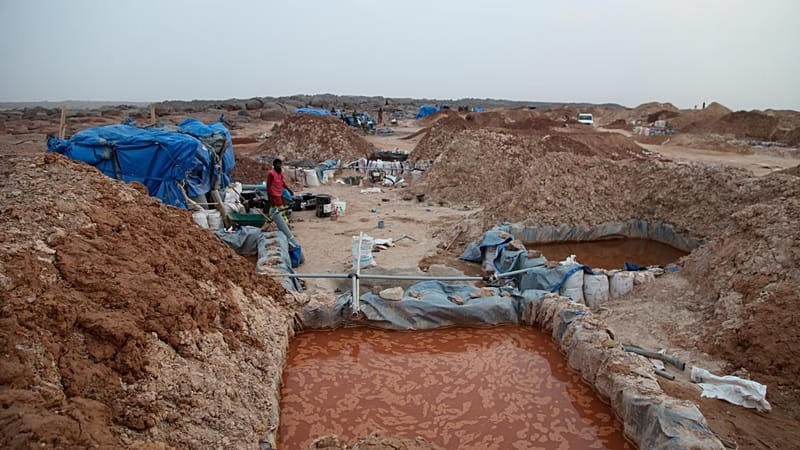
The move reflects a growing trend across West Africa, where governments are tightening control over natural resources to increase state revenues and curb speculative mining licenses. Similar crackdowns have taken place in Guinea, Burkina Faso, and Niger, as nations seek to assert greater sovereignty over their mineral wealth. Mali remains Africa’s third-largest gold producer, after Ghana and South Africa, with mining contributing nearly 25% of government revenues. However, the country’s mining sector has faced challenges due to declining foreign investment, security threats from insurgent groups, and shifting policies under the military government that seized power in 2021. In recent months, Bamako has expanded its partnerships with Russia, signing several energy and mining agreements, including oil supply deals and joint ventures in gold and lithium exploration. Analysts say the latest permit revocations could be part of a broader effort to restructure the mining sector and favor partnerships aligned with the country’s new strategic allies.


