


The official presidential term of Niger’s ousted leader Mohamed Bazoum is set to end on April 2, 2026, but his continued detention by the military junta has left his legal and political status unresolved. Bazoum, 66, was elected in 2021 with 55 percent of the vote in Niger’s first democratic transfer of power. However, he has been held since the July 26, 2023 coup led by Abdourahamane Tiani, who seized control and suspended the constitution. Bazoum remains confined in the presidential palace in Niamey alongside his wife, with limited access to the outside world. Despite his removal, Bazoum has refused to resign. His legal team argues that his time in detention should not count toward his presidency, insisting his mandate was effectively paused. “If he were restored to office, his detention period should not be considered part of his term,” said lawyer Moussa Coulibaly.
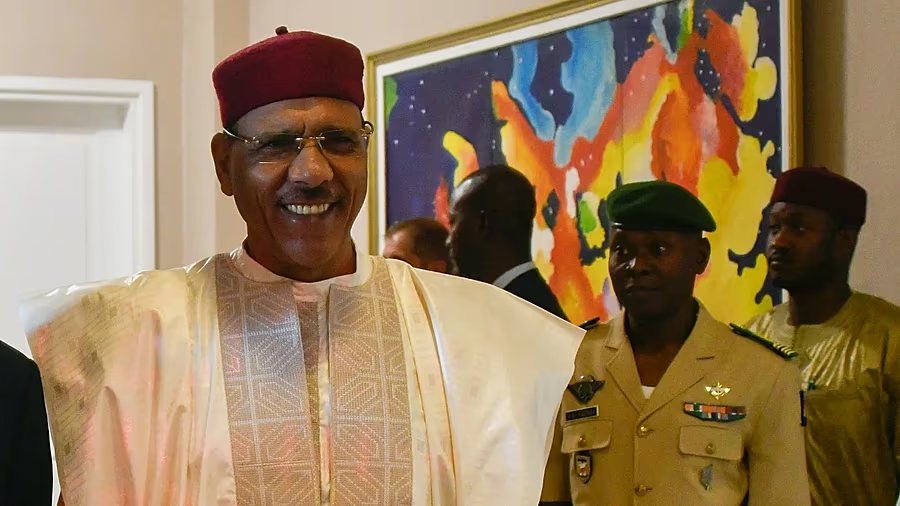
However, legal experts dispute this interpretation. Political analyst Valery Ntwali notes that the suspension of Niger’s constitution stripped Bazoum of legal authority, as the military government replaced it with a new charter in 2024. That framework allows the junta to remain in power for at least five years, with no elections scheduled. The situation has created a legal grey area, with competing claims between the pre-coup constitutional order and the junta’s authority. International consensus remains divided, with some governments refusing to recognize the military leadership while others engage pragmatically. Regionally, Niger has aligned more closely with military-led governments in Burkina Faso and Mali, emphasizing sovereignty and reducing ties with Western partners. Relations with France and the European Union remain strained, particularly over repeated calls for Bazoum’s release.
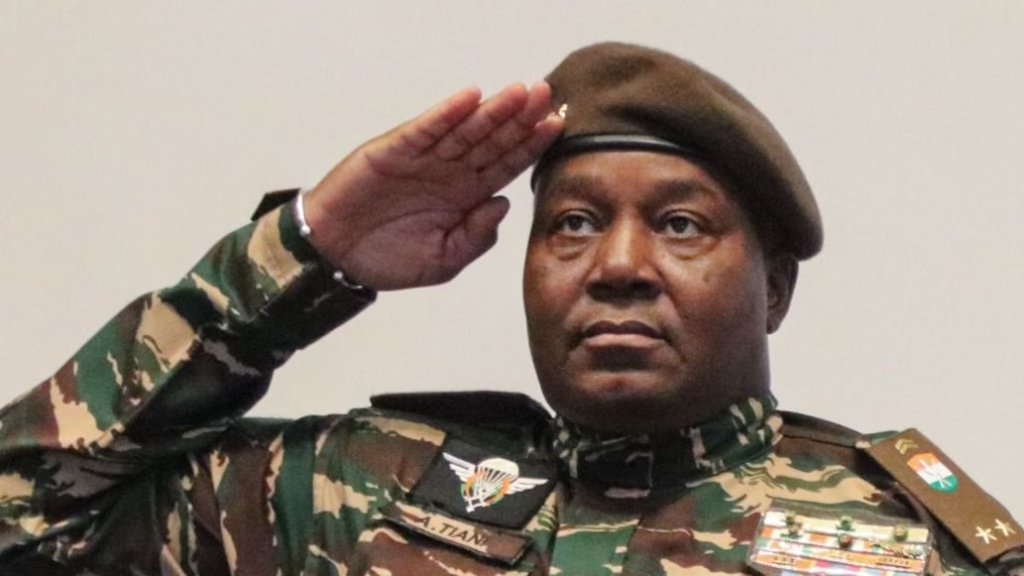
The European Parliament recently passed a resolution demanding his immediate freedom, prompting protests in Niger and criticism from junta authorities. Meanwhile, Niger has resumed limited security cooperation with the United States and strengthened ties with Russia. Although Bazoum’s presidential immunity was lifted in 2024, there are no clear signs that his trial is imminent. His lawyers argue that his continued detention is driven more by political and security concerns than legal considerations, suggesting he may be held as leverage against potential foreign intervention. After nearly three years in custody, Bazoum is still being held under strict conditions, reportedly isolated and allowed only minimal contact, raising ongoing concerns among rights groups and international observers.


