


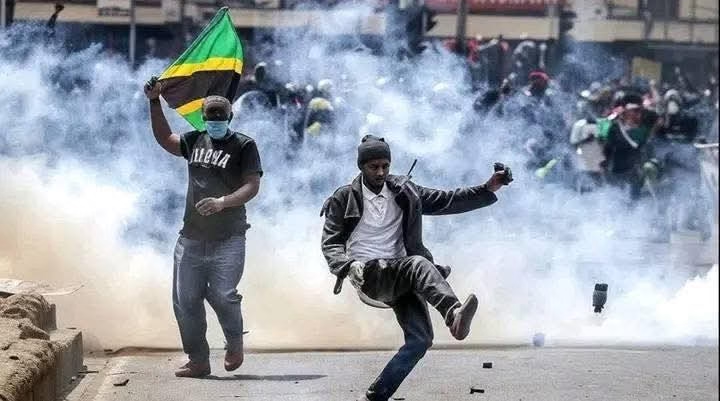
Hundreds of protesters returned to the streets of major Tanzanian cities on Thursday, defying curfews and a nationwide internet blackout imposed after a highly contested general election that human rights groups and international observers have condemned as undemocratic. The unrest, now in its second day, follows Wednesday’s national polls in which President Samia Suluhu Hassan leader of the long-ruling Chama Cha Mapinduzi (CCM) party is widely expected to secure another term. CCM has governed Tanzania uninterrupted since independence in 1961. According to early tallies announced on state television, President Hassan held a commanding 96.99% of votes in eight of 272 constituencies counted by Thursday morning. However, opposition parties and civil society groups have denounced the process as fraudulent, citing widespread intimidation, candidate disqualifications, and restrictions on press freedom.
Internet blackout and military deployment
In a swift response to the demonstrations, the government cut internet access nationwide, imposed a nighttime curfew, and deployed soldiers and armored vehicles across major urban areas, including Dar es Salaam, Arusha, and Dodoma. Witnesses told local media that protesters burned a bus, vandalized polling stations, and clashed with security forces who responded with tear gas and live ammunition. Amnesty International reported that two people a civilian and a police officer were killed, while dozens were injured or arrested. The rights group called for “an immediate investigation into the use of excessive force.”
Low turnout, high tension
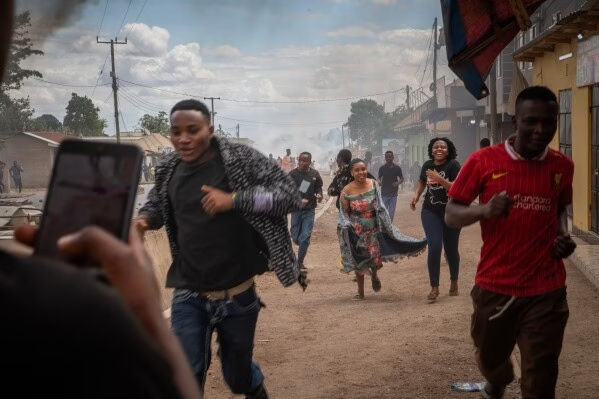
Voter turnout appeared significantly lower than in previous elections, a sign, analysts say, of growing public frustration with Tanzania’s political environment. Opposition candidates Tundu Lissu of CHADEMA and Luhaga Mpina of ACT-Wazalendo the two main challengers were barred from running. Lissu remains imprisoned on treason charges after calling for electoral reforms. In border towns such as Namanga, protesters blocked highways and lit bonfires, disrupting trade and transportation between Tanzania and Kenya. Ferry services between the mainland and Zanzibar where results are still pending — were also suspended. The government instructed civil servants to work from home Thursday to reduce movement, while army checkpoints were established nationwide. Only essential workers were permitted to travel.
International condemnation
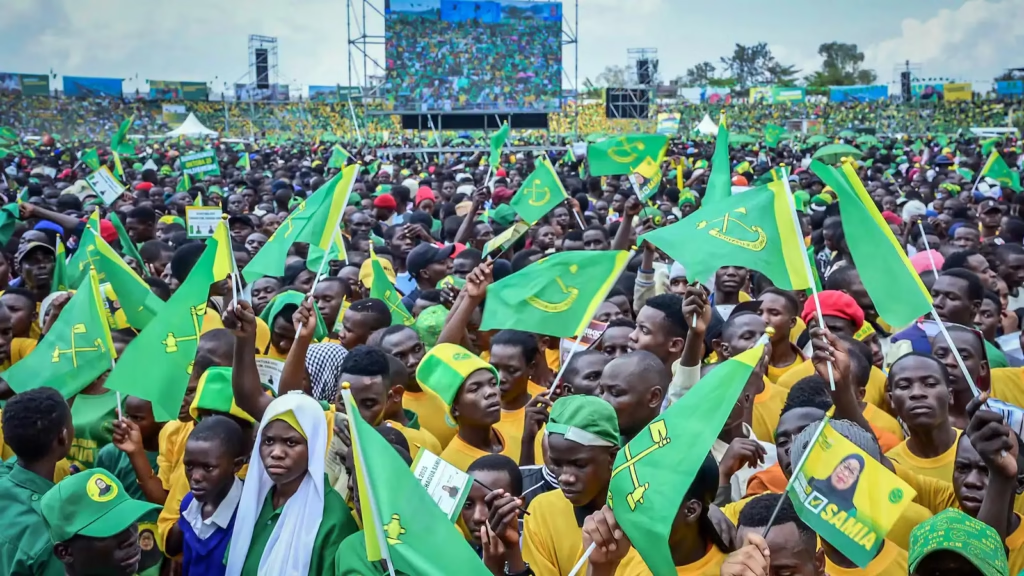
The European Parliament issued a statement describing the election as “neither free nor fair”, urging the country’s democratic partners to “stand firm in the defense of democracy and human rights.” Observers warn that Tanzania’s reputation as one of East Africa’s more stable nations could be at risk if the situation escalates. With tensions high and communication still restricted, many Tanzanians remain uncertain about what comes next and whether the results of this election will mark a new chapter of reform or further entrench CCM’s six-decade dominance.


