
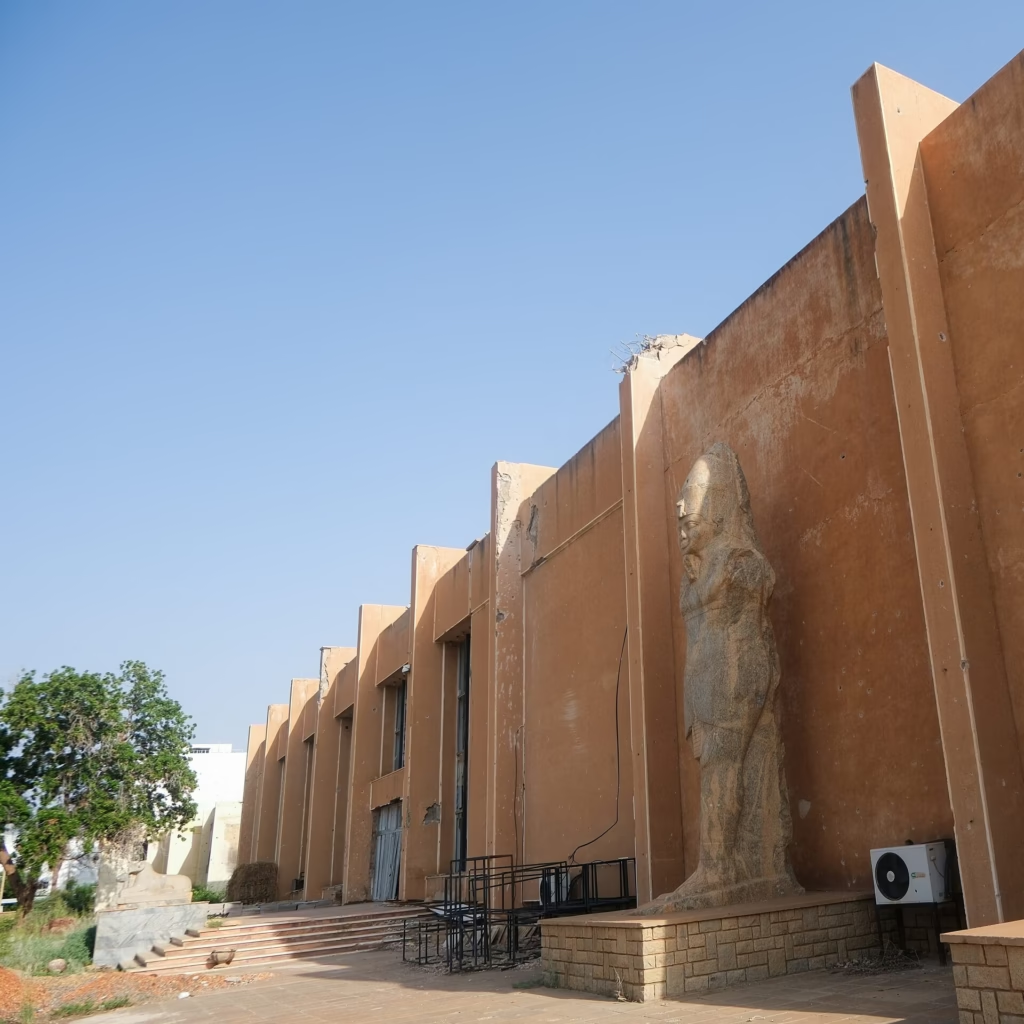

Sudanese authorities on Tuesday unveiled hundreds of recovered ancient artefacts at a secured ceremony in Port Sudan, marking a rare cultural victory amid the country’s ongoing civil war. The 570 items ranging from figurines and ornate vases to scarab shaped amulets, were stolen from the National Museum in Khartoum after the paramilitary Rapid Support Forces (RSF) seized the capital in the early days of the conflict. The museum was heavily looted and damaged during the takeover.
Officials said the artefacts were recovered after months of investigations carried out with support from Interpol and UNESCO, though no details were given on where or how they were retrieved. “Sudan’s heritage is not only of national importance, it is a treasure of humanity,” said UNESCO’s representative in Sudan, Ahmed Junaid. The National Museum houses relics spanning thousands of years, documenting successive civilisations that flourished along the Nile. Today, little remains inside the building, with looters leaving behind only the largest and heaviest objects, including the massive black granite statue of Pharaoh Taharqa, ruler of the Kushite and Egyptian kingdoms from 690 to 664 BC.
Authorities estimate the recovered artefacts account for only about 30% of the tens of thousands believed to have been looted or destroyed. Still missing is the museum’s highly prized “gold room,” which contained ancient jewellery and 24-carat gold artefacts, some dating back nearly 8,000 years. Finance Minister Gibril Ibrahim said the artefacts symbolize Sudan’s identity and history, adding that their theft was aimed not only at profit but at erasing the nation’s cultural legacy. After the army retook Khartoum from the RSF, archaeologists were able to enter the museum in March for the first time in two years to assess the damage. The minister of information and culture has since announced a financial reward for the voluntary return of stolen antiquities. Widespread looting has affected museums across Sudan since the war began, including the Palace of Sultan Ali Dinar in al-Fasher, North Darfur, which fell to RSF forces in October.


