Confusion has erupted in Ghana over the fate of 14 West Africans deported from the United States, after officials and lawyers gave conflicting accounts of their status. The group, 13 Nigerians and one Gambian were flown to Ghana last week as part of a controversial U.S. deportation operation. On Monday, Ghana’s Foreign Minister, Samuel Okudzeto Ablakwa, said the men had since been sent on to their home countries. He defended Ghana’s role, insisting the country accepted them “purely on humanitarian grounds” after the U.S. sought a transit arrangement.
“We should rather be seen as a country that wants to look out for its fellow Africans,” Ablakwa said at a press briefing in Accra. He stressed that Ghana had refused any financial compensation from Washington: “We made it clear to the Americans that we will not accept $1.” But lawyers for four of the deportees contradicted the government’s statement, filing a case in court claiming the men were still stranded in Ghana. They argued the deportations violated due process and warned their clients faced possible persecution or torture if returned to Nigeria or Gambia.
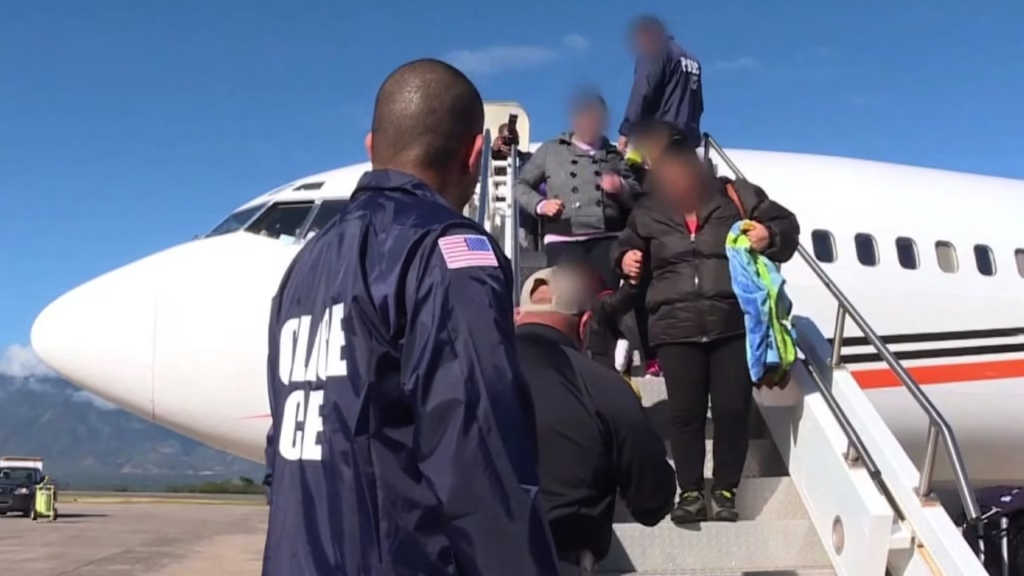
“We believe that the deportations to Ghana did not comply with principles of due process. These men were not told where they were going to be taken,” said Samantha Hamilton, an attorney representing some of the group. Nigeria’s government, meanwhile, said it had not been informed about its citizens being routed through Ghana, noting that previous deportations from the U.S. had brought Nigerians directly home. Officials in The Gambia have yet to comment.
The case highlights the human cost of former U.S. President Donald Trump’s hardline immigration policies, which lawyers say often prioritized speed over safeguards. Critics argue the fast-tracked deportations left vulnerable migrants caught in legal limbo and at risk of mistreatment. With both Ghanaian authorities and lawyers presenting conflicting accounts, the fate of the 14 deportees remains uncertain, fueling debate about international responsibility, due process, and Africa’s role in responding to U.S. migration enforcement.