
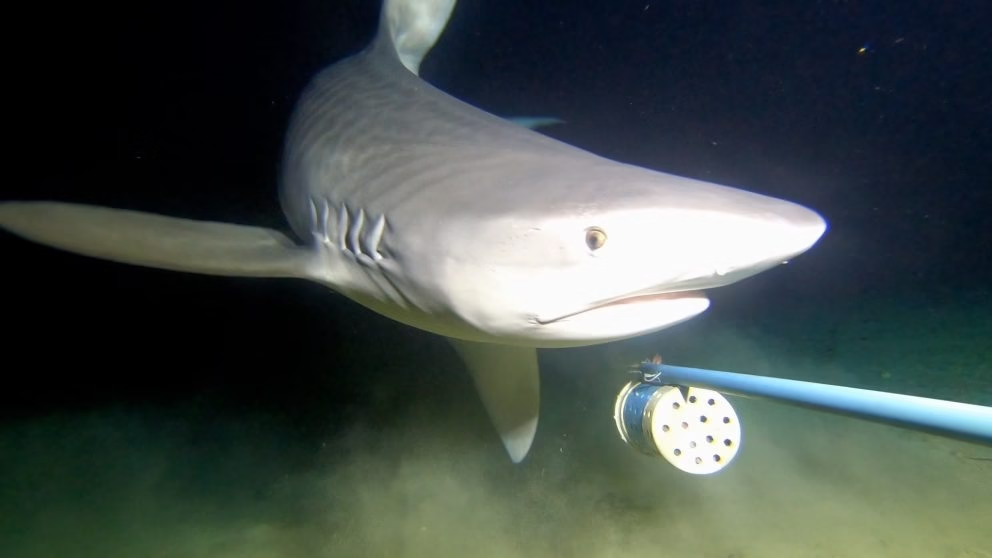
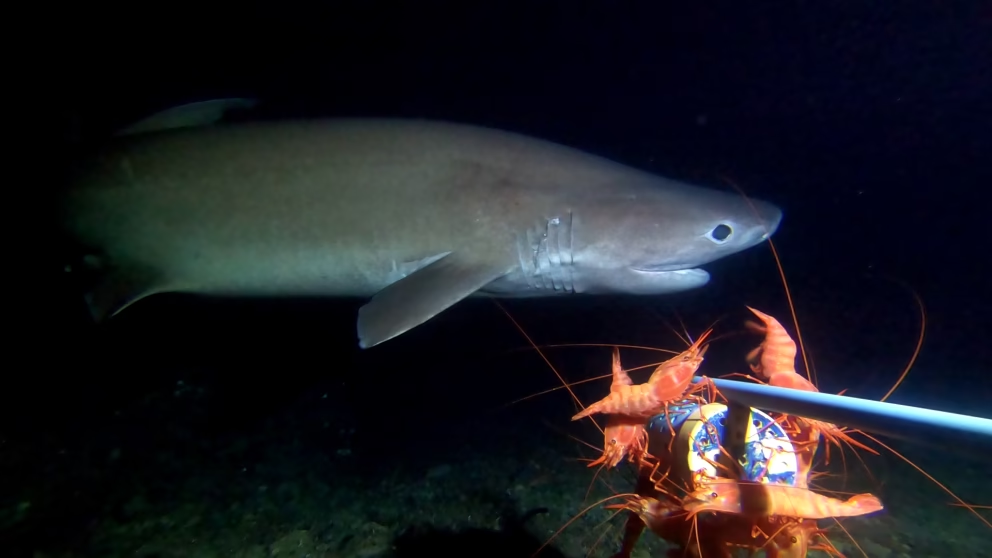
As global leaders convene at the COP30 climate summit in Brazil, new scientific findings from the depths of the Indian Ocean are underscoring the urgency of meeting the global goal of protecting 30% of the world’s oceans by 2030. An international research team from Nekton, working alongside Comorian scientists, has returned from a deep-sea mission off the coast of Comoros with rare footage of sharks thriving between 300 and 900 meters below the surface. Their presence confirms that a functioning and still resilient ecosystem exists in the deep waters surrounding the island nation despite severe pressures from climate change and overfishing.
The discoveries were captured using baited remote underwater cameras deployed from the research vessel Angra Pequena as part of “First Descent: Comoros,” a systematic survey of biodiversity in a region largely unexplored beyond scuba depth. Dr. Nadjim Ahmed Mohamed, co-chief scientist of the mission, said the research is vital to the global 30×30 conservation target “By exploring areas we know little about, we can define new marine protected zones and these findings will help the world reach 30% by 2030.”
A Race Against a Worsening Climate Threat
For Comoros, a small island nation already suffering the effects of rising sea levels, warming waters, and declining coral reefs the results offer a rare glimmer of hope. But officials warn that time is running out. “Our coastline and reefs are dying bit by bit,” said Environment Minister Abubakar Ben Mahmoud. “Sea levels invade our homes and farmland every day. Climate change is overwhelming our communities.” Comoros, like many island states, contributes little to global emissions yet carries a disproportionate burden. According to the World Bank, more than 20% of Comorians live in poverty, making ocean resources essential for food security and livelihoods.
Fragile Shallow Ecosystems Need Urgent Action
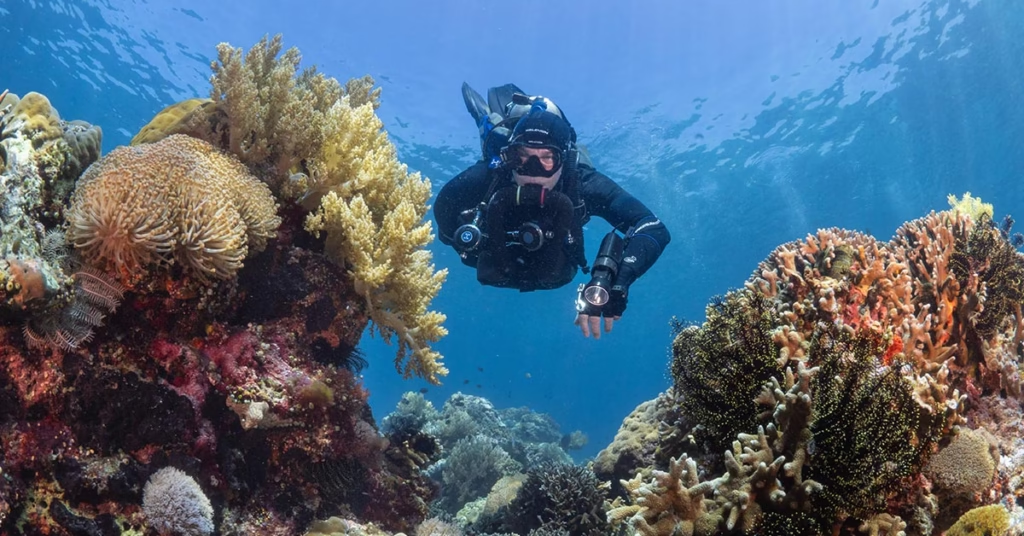
While the deep-sea ecosystem shows resilience, scientists report an alarming absence of sharks and other predators in the shallower waters up to 30 meters deep. Coral degradation and illegal fishing are increasing pressure on near-shore marine life. Still, pockets of vibrant coral remain. “Some sites are stunning,” said expedition co-leader Dr. Lucy Woodall. “These habitats can support vital fish populations, giving Comoros a real opportunity for long-term, sustainable management.”
Data That Could Shape Global Policy
Researchers say their findings must inform decisions made at COP30 if the world is to meet the 30×30 target. The new biodiversity data gives policymakers a clearer understanding of where urgent protection measures are needed before ecosystems cross irreversible thresholds. With less than six years left, scientists stress that protecting the oceans especially around vulnerable nations like Comoros requires decisive global leadership, not just local action.