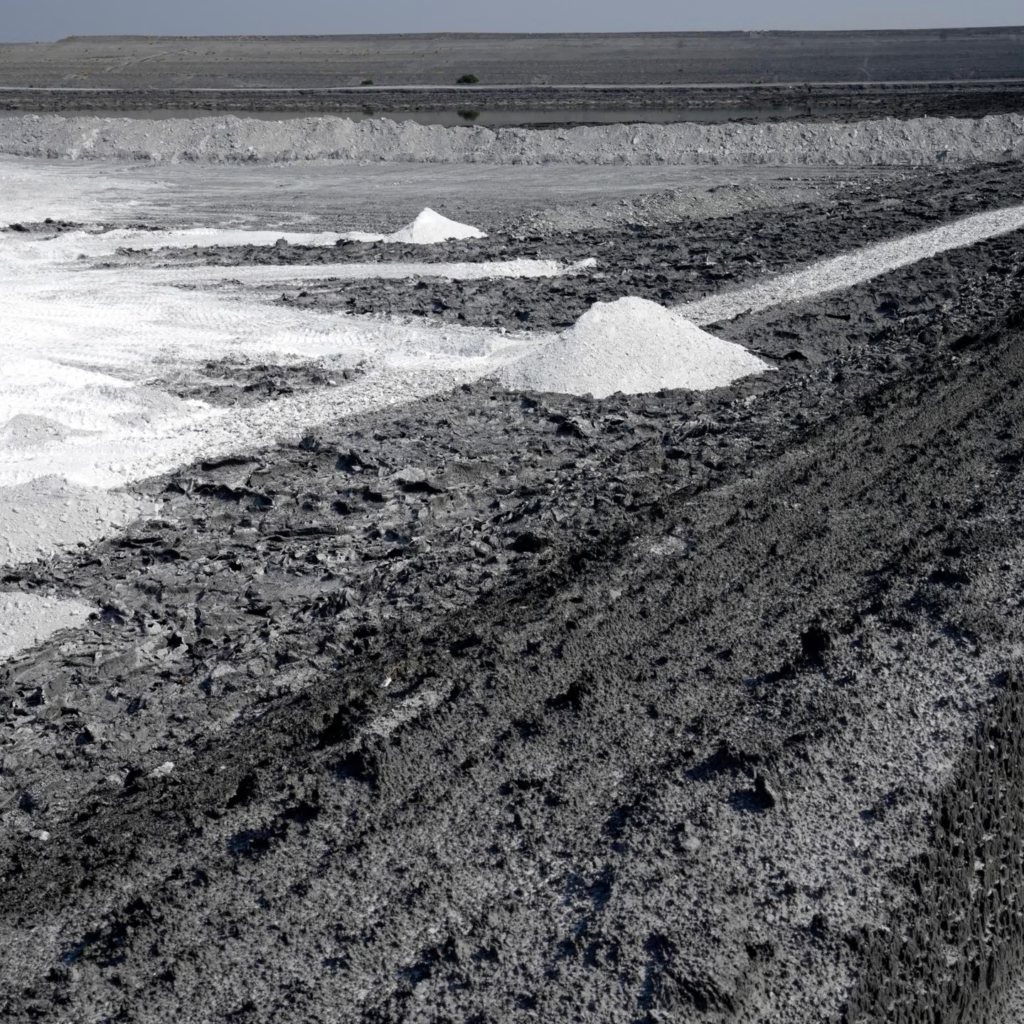

The United States has committed $50 million to a major rare earth project in South Africa, highlighting the strategic importance of critical minerals even as diplomatic relations between the two countries remain strained. The investment, made through the US International Development Finance Corporation (DFC), will support the Phalaborwa Rare Earths Project in Limpopo Province. The site, built on waste from a former phosphate processing plant, contains an estimated 35 million tonnes of phosphogypsum, a byproduct now being repurposed to extract valuable rare earth elements.
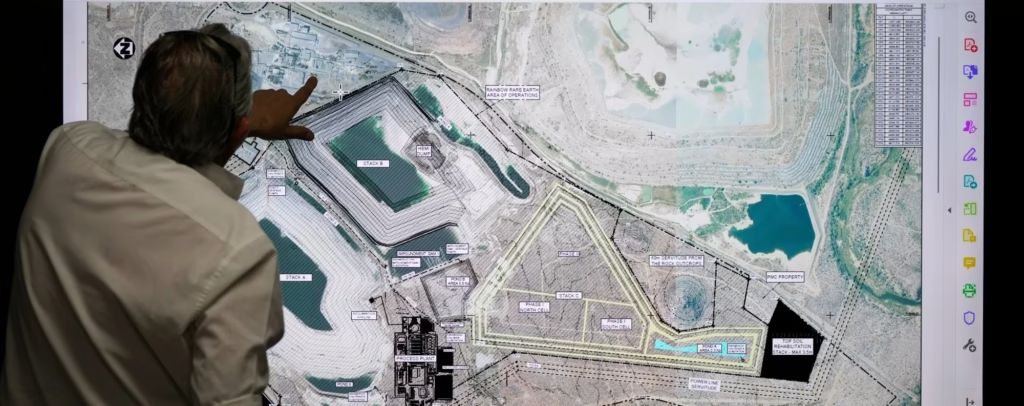
Developed by Rainbow Rare Earths, the project uses a novel process to recover minerals such as neodymium, praseodymium, dysprosium, and terbium key components in electric vehicles, wind turbines, advanced electronics, and military systems. Unlike traditional mining, the method focuses on reprocessing industrial waste, combining resource extraction with environmental remediation. The initiative is part of Washington’s broader effort to reduce reliance on China, which dominates global rare earth supply chains. The US is reportedly planning to invest up to $12 billion to build a strategic reserve of critical minerals. Construction of a processing plant in Phalaborwa is expected to begin in 2027, with production targeted for 2028. The project is projected to run for at least 16 years and could operate using up to 90% renewable energy, potentially lowering costs and environmental impact compared to conventional mining.
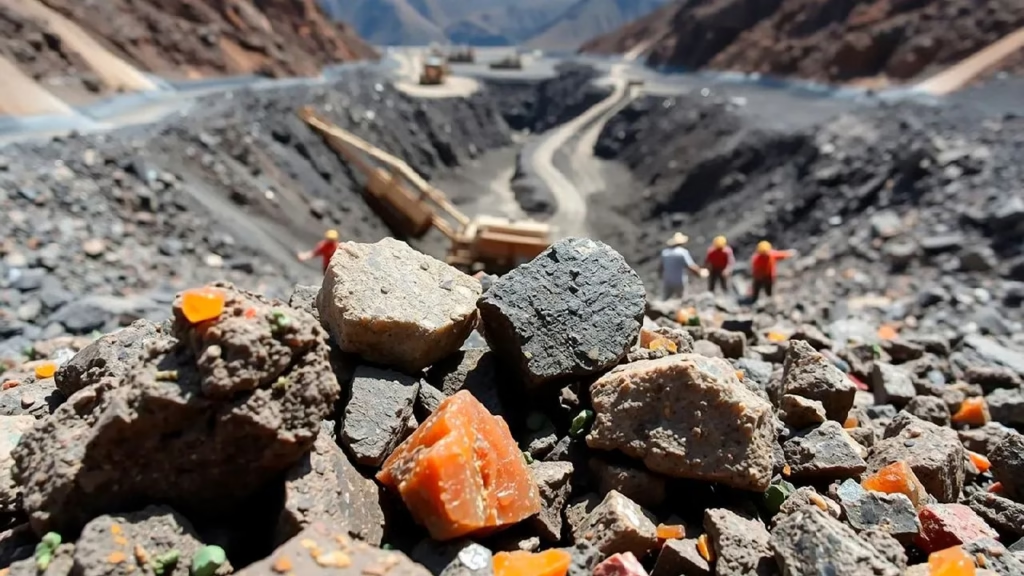
Despite political tensions including a recent US decision to suspend certain financial assistance to South Africa, the investment underscores Washington’s continued interest in Africa’s mineral wealth. Analysts note that rare earth elements are essential for defense systems, including fighter jets and submarines, as well as emerging technologies like robotics and green energy. Experts say the Phalaborwa project is unique because the minerals are already concentrated above ground, reducing the need for deep mining. If successful, it could position South Africa as a key player in the global rare earth market, second only to China in developing efficient extraction processes. The project also aligns with broader US efforts to secure mineral supply chains globally, including investments in Africa and infrastructure projects such as the Lobito Corridor, which aims to connect mineral-rich regions in Central Africa to export routes on the Atlantic coast.