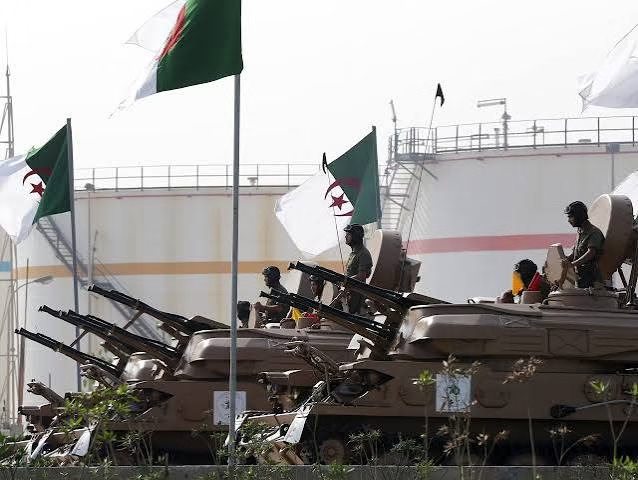

Algeria’s parliament has approved a proposed military deployment to neighboring Niger, marking a significant shift in the North African country’s long-standing reluctance to send troops abroad. The move comes as Niger seeks assistance in tackling armed groups linked to al-Qaeda and the Islamic State, which continue to threaten security across parts of the Sahel region. According to the report, Algeria’s upper house of parliament held an emergency session on Sunday, with 148 of 174 senators voting in favour of the deployment. The proposal was subsequently approved by the lower house. However, authorities have yet to announce the number of troops involved or the deployment date.
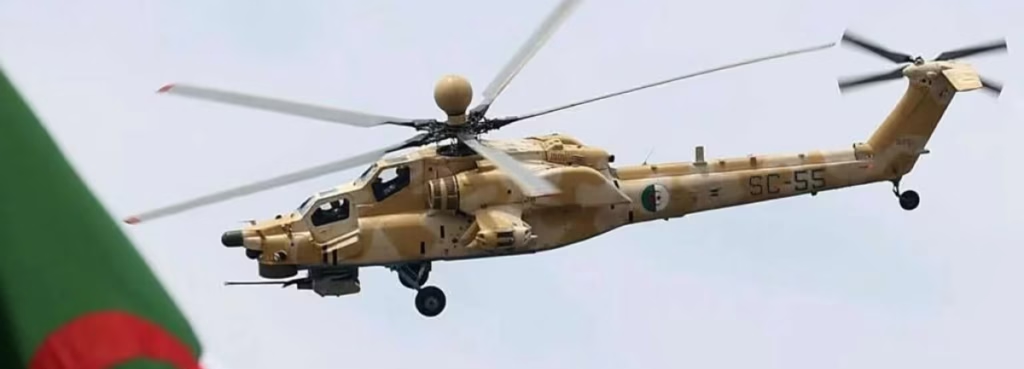
The forces are expected to help secure energy infrastructure in northern Niger, near the Libyan border. Algeria has significant economic interests in the country, including a proposed pipeline designed to transport Nigerian natural gas through Niger to Algeria. Algeria’s state-owned energy company, Sonatrach, has also signed an agreement with Niger’s petroleum ministry to explore for oil in the Kafra region. Reuters has reported estimates of 168 million and 100 million barrels of oil at two proposed exploration sites. Algerian senator Belkacem Boulghiti said the mission was intended to protect economic infrastructure rather than wage war in Niger.
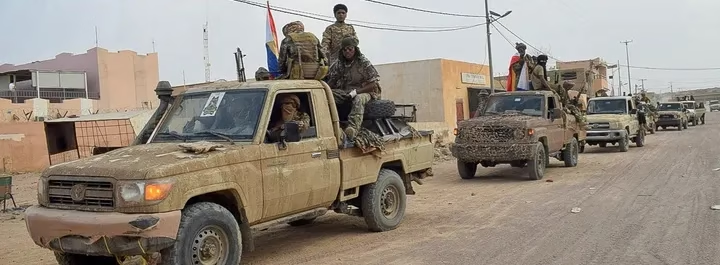
The deployment would be the first under a 2020 constitutional provision permitting Algeria to send troops overseas under specified conditions. Algeria last deployed forces abroad in 1973, when it sent troops to Egypt during the Arab-Israeli war. The decision also signals improving relations between the two neighbours following a diplomatic rift in 2025. Algeria condemned Niger’s 2023 military coup, which ousted elected president Mohamed Bazoum and brought General Abdourahamane Tchiani to power. Tensions deepened after Algeria shot down a Malian drone near its border, prompting Niger to recall its ambassador in solidarity with Mali. Relations have since improved, with Tchiani visiting Algiers in February 2026. The proposed deployment would deepen security cooperation as both countries seek to protect strategic infrastructure and address regional instability.