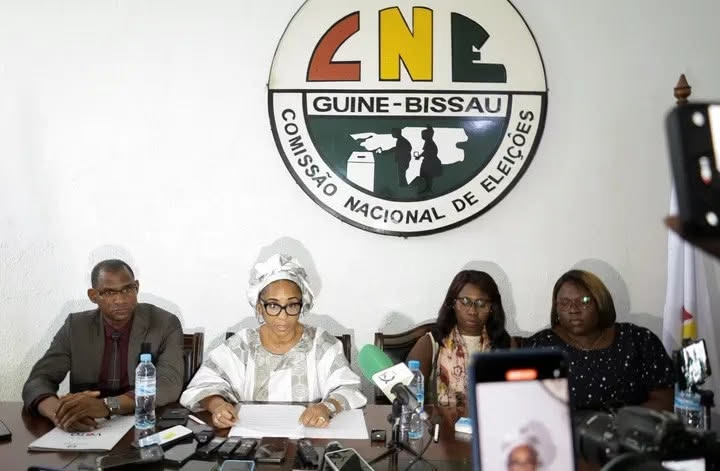

Voters in Guinea-Bissau have approved sweeping constitutional changes that significantly expand presidential powers, according to provisional results from the National Electoral Commission. About 70% of voters backed the new constitution in Sunday’s referendum, with turnout reported at more than 55%. The reforms strengthen the presidency by allowing the head of state to appoint and dismiss the prime minister and cabinet and, under certain circumstances, dissolve parliament. The new constitution also reduces the size of parliament from 102 seats to 65 and cuts the number of electoral constituencies from 29 to 12. Presidential candidates will additionally have to demonstrate five years of continuous residence in the country, a requirement critics say could affect politicians living abroad.
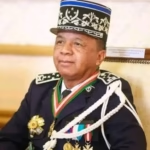
The referendum comes less than a year after the military seized power following Guinea-Bissau’s disputed November 2025 election. Soldiers overthrew President Umaro Sissoco Embaló on November 26, one day before official results were due, and installed Major-General Horta Inta-A as transitional president. The electoral commission later said key election materials and its results server had been destroyed during the takeover. The military government says the constitutional overhaul is intended to reduce political instability and create a stronger institutional framework before civilian rule is restored. It has scheduled presidential and legislative elections for December 6, 2026, and Horta Inta-A is barred from contesting under the transitional charter.
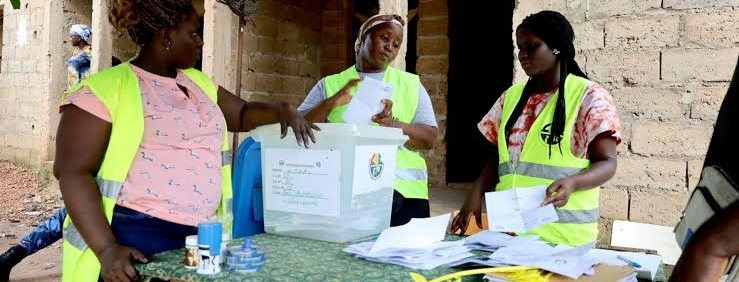
Opposition parties, however, have strongly criticized the process and urged voters to boycott the referendum. The main opposition PAIGC argued that the changes were being pushed through by an unelected military administration and could concentrate too much power in the presidency. Guinea-Bissau has struggled with political instability since independence from Portugal in 1974, experiencing repeated coups and attempted coups. The country, home to about 2.2 million people, also faces severe poverty and remains an important transit point in the regional cocaine trade. The referendum now sets the stage for December’s elections, which are expected to be a crucial test of whether Guinea-Bissau can return to civilian democratic rule or move toward a political system with a much stronger presidency.