
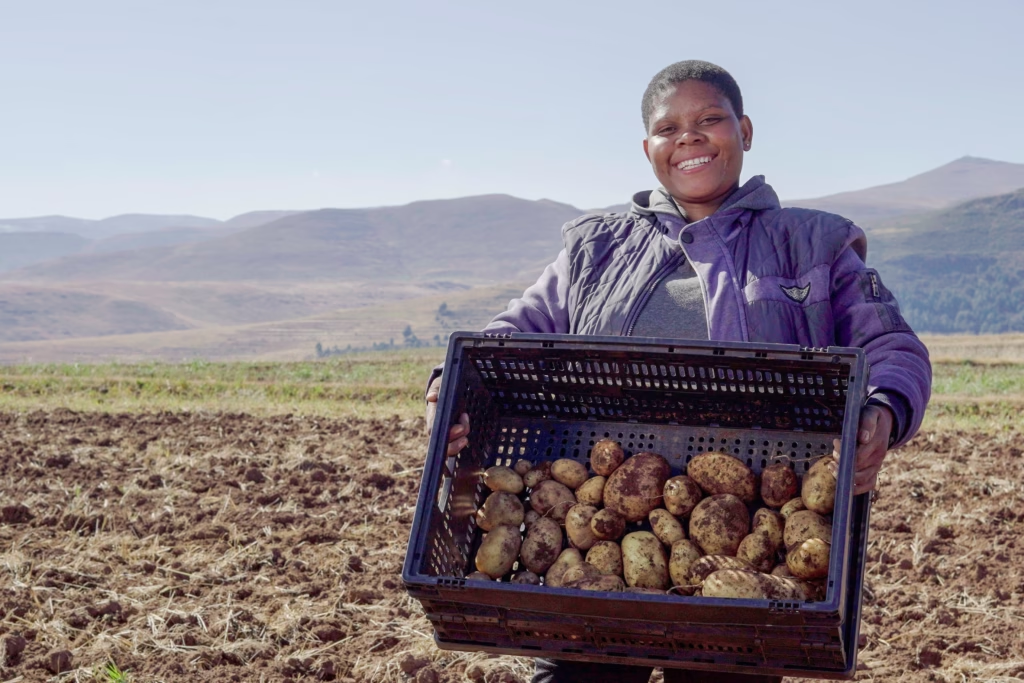

Lesotho has placed the potato at the heart of its agricultural strategy, seeing it as a pathway to food security, climate resilience, and economic growth. The decision, made in 2022 under the UN Food and Agriculture Organization’s (FAO) One Country One Priority Product (OCOP) initiative, reflects the crop’s adaptability to the country’s high-altitude terrain. King Letsie III explained: “We realized that there is a product we can grow in Lesotho that can contribute to agricultural growth and agricultural transformation. And that product is the potato.”
Potatoes thrive in Lesotho’s mountainous regions, where many vulnerable communities struggle with food insecurity. In Semonkong, a remote town, 27-year-old farmer Maleuta Mahao began cultivating potatoes last year. “Farming lets us create jobs, earn income, and feed our families,” she said. Early results are encouraging. Pilot farms under OCOP have reported yield increases of up to 20%, spurring more young people to consider farming. Women and youth are also finding new economic opportunities through the initiative.

Agriculture Minister Thabo Mofosi said the country currently produces around 9,000 tons of potatoes a year but aims to nearly triple that figure to 24,000 tons within two years. The goal is to reduce dependence on imports, strengthen local markets, and keep rural communities together. For Lesotho, the potato has become more than a staple food it is a symbol of resilience and a driver of the nation’s agricultural future.


