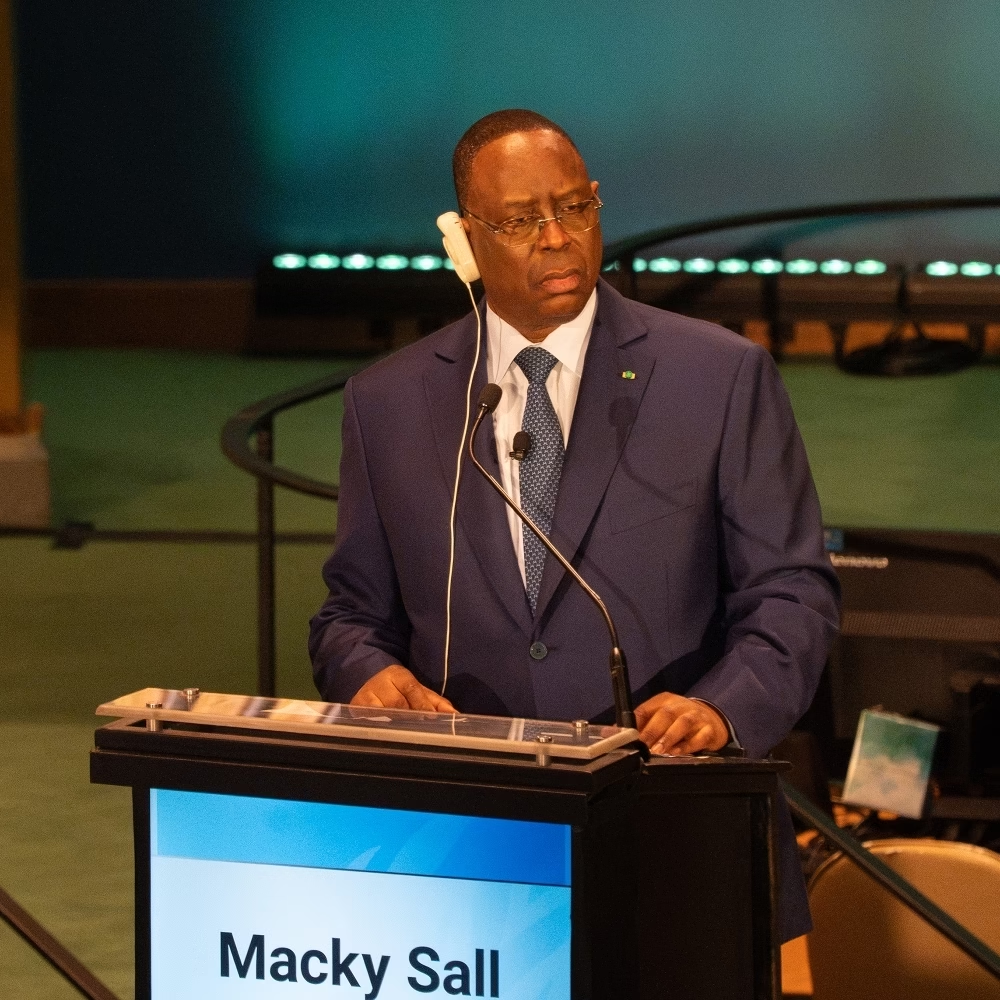

Senegal’s former president Macky Sall has withdrawn his candidacy for United Nations secretary-general, following a series of disappointing informal polls by the UN Security Council that exposed strong opposition to his bid. Sall announced his decision on Saturday, October 17, 2026, saying he hoped to help pave the way for a consensus candidate to succeed outgoing Secretary-General António Guterres. His withdrawal came a day after all seven candidates in the race received at least one negative vote from Security Council members, highlighting the challenges facing contenders seeking the support required to secure the position.
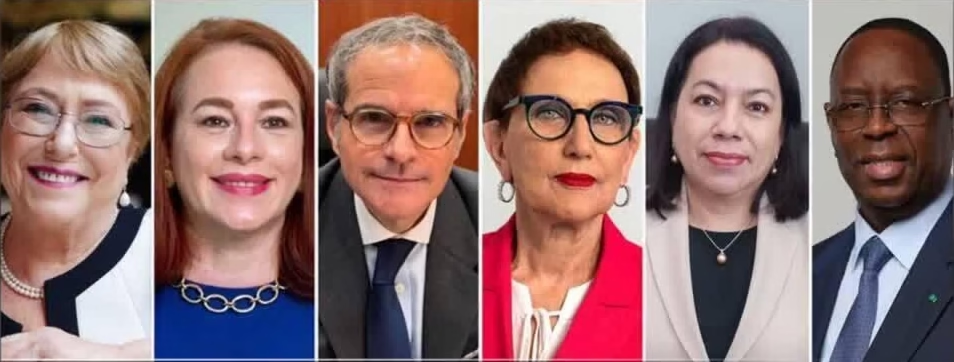
Sall had struggled to gain momentum since the first informal poll in July, when he received six votes in favor, seven against and two abstentions. Although the polls are not binding, they provide an important indication of candidates’ prospects ahead of the final selection process. Under the Security Council’s voting system, a candidate needs at least nine favorable votes from the 15-member council and must avoid a veto from any of its five permanent members: China, France, Russia, the United Kingdom and the United States. Costa Rica’s Rebecca Grynspan emerged as the leading candidate in Friday’s poll, securing seven favorable votes. However, she also received five negative votes, including two from permanent members, leaving her candidacy far from assured.
Sall’s bid had also faced political uncertainty at home. Senegal initially declined to support his candidacy before President Bassirou Diomaye Faye endorsed him in July following a meeting between the two leaders. Sall had originally been nominated by Burundi. His exit leaves Uganda’s Olara Otunnu as the only African candidate still in the contest. Most of the remaining contenders are from Latin America, strengthening expectations that the region could secure the position under the longstanding practice of rotating the UN’s top job among geographical regions. However, the regional rotation is an informal convention rather than a binding rule. Further voting rounds are expected before the Security Council recommends a candidate to the UN General Assembly, which formally appoints the next secretary-general.